
Between Leicester And Nottingham Is A University Town With Victorian Streets, Shops, And A Vibrant Culture
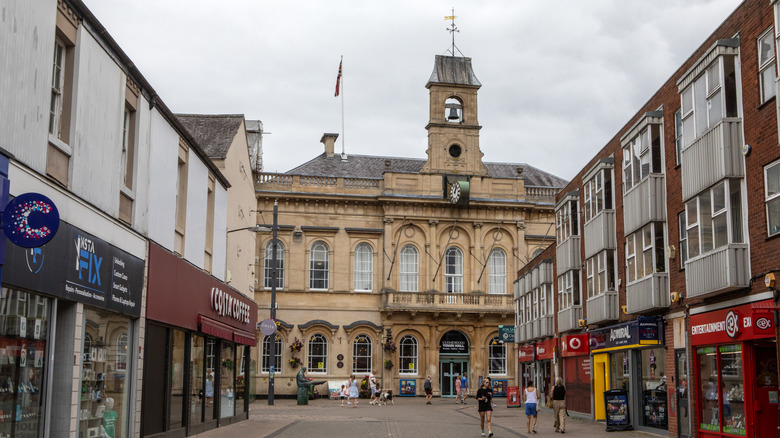
For travelers who love history, the U.K. is a top destination with castles, museums, industrial-era towns, and prehistoric monuments like Stonehenge. Toward the country's center, the East Midlands region is full of historic towns, where centuries-old buildings stand alongside markets and pubs. While the area's cities, such as Leicester and Nottingham, stand out on the map, towns such as Loughborough offer plenty of charm worth a weekend getaway. Wandering through its old streets, visitors will find remnants of Britain's industrial years preserved beside modern restaurants, shops, and cultural attractions.
Loughborough sits about halfway between Leicester and Nottingham. In the 1700s and 1800s, Loughborough developed alongside quickly growing textile industries, brickmaking, ironworks, and other factories. This traditional market town in Leicestershire is nowadays well-known for its Victorian architecture, weekly markets that have been around since the 13th century, and cultural and historical attractions, such as steam train rides and a bellfoundry. Loughborough is also surrounded by Charnwood Forest, making it easy to combine a day exploring shops and museums with a few hours in nature.
The town is also home to Loughborough University, which dates back to 1909. The school's large student population supports a mix of restaurants, entertainment, and cultural events. The university's reputation for sports and research also attracts visitors from around the world. Loughborough is easy to get to, as direct trains connect it with Leicester in 10 minutes, Nottingham in about 15 minutes, and London in an hour and 15 minutes. Plus, East Midlands Airport is only a 20-minute drive away.
Explore Loughborough's Victorian streets, historic markets, and independent shops
Explore Loughborough on foot, starting from Market Place. There, the Loughborough Town Hall has stood since 1855, when it was designed by William Slater as a Corn Exchange. It became the town hall 33 years later, and today visitors can catch live shows, concerts, and explore Sock Gallery's rotating exhibitions and seasonal fairs. From Market Place, make your way toward Church Gate to appreciate more Victorian architecture. The Gothic All Saints Church overlooks the historic street. Nearby, Britain's last working bellfoundry, John Taylor & Company, offers tours throughout the week.
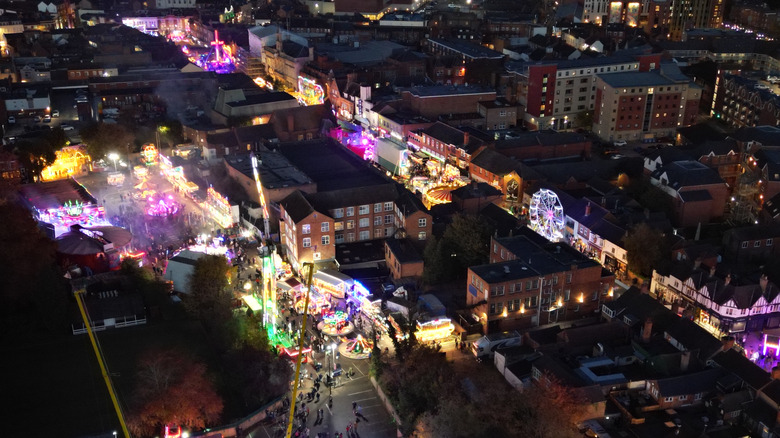
Loughborough's outdoor market has operated for more than 800 years. Held on Thursdays and Saturdays from 8 a.m. to 4 p.m., it sells fresh produce, artisanal goods, clothing, and home decor. Friday's vintage market (from 9 a.m. to 4 p.m.) is another cool highlight, especially for visitors who enjoy perusing used books and antiques. The town also hosts seasonal markets over the festive period, additional specialist markets throughout the year, and the annual Loughborough Fair, which has rides, festival food, and tons of vendors — a tradition that's been going on since the 1200s.
Loughborough's walkable town center is lined with cafés, restaurants, department stores, and small boutiques like Ab Fab Vintage, Retro Room for vinyl, and Wheelers for gifts. It also has pubs such as The White Hart and the Three Nuns; you might want to brush up on the unwritten rules you should know before visiting a British pub. While there's no shortage of spots to grab a bite in town, visitors can also venture beyond the city boundary to a top-rated restaurant on Tripadvisor. The Royal Oak is in the nearby village of Long Whatton, while The Manor House, which is highly recommended for its Sunday roast, is about a 10-minute drive away in Quorn.
Loughborough's college culture, historic attractions, and green spaces
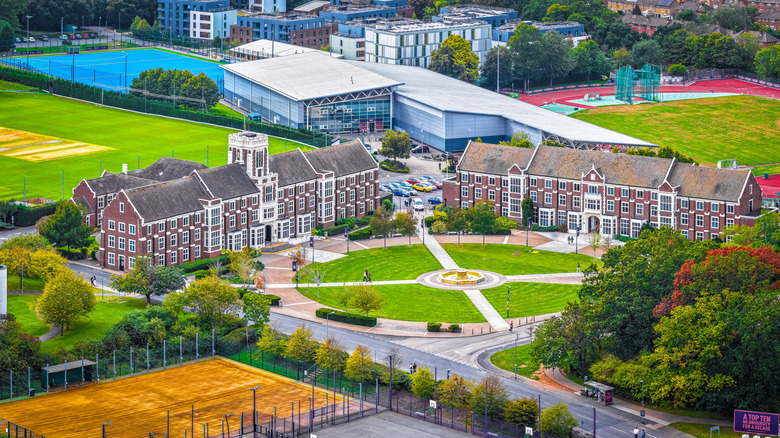
While its markets are a huge draw, there's more to Loughborough than Victorian buildings and shops. Its college plays a big role in the town's cultural scene, attracting artists and performers throughout the year. Through its L.U.Arts program, the school puts on exhibitions, concerts, film screenings, and creative workshops, some of which are open to the public. The college's public sculpture collection also gives visitors a reason to explore the campus. It includes more than 40 sculptures, with some dating back to the 1950s.
Afterward, head to Queen's Park, a Victorian green space within walking distance of the shops. The park is home to Carillon Tower, a war memorial and museum. Although the museum is closed until Easter 2027, the tower is still accessible for sightseers and makes for a unique photo opportunity. It dates back to 1923, and bell recitals still ring out each Sunday and Thursday afternoon from Easter through September. Nearby, the free Charnwood Museum is set in a former Victorian swimming baths and tells visitors about the area's geology, industries, and history. For travelers wanting a nature outing, Charnwood Forest and nearby Beacon Hill Country Park offer peaceful walks and rural views.
The U.K. has many scenic rail journeys. If they appeal, the Great Central Railway is an experience worth making time for. The railroad runs steam and diesel trains through the Leicestershire countryside, offering visitors a chance to experience travel from another era. Loughborough Central Station also has a museum and locomotive shed for train lovers to check out. Eagle-eyed visitors may recognize the station from movies such as "The Hours," "The Railway Man," and "Shadowlands." Once you've explored Loughborough, make time for Leicester, one of England's oldest cities.