
One Popular US Airline Just Banned Third-Party AI Agents From Booking And Handling Flight Reservations

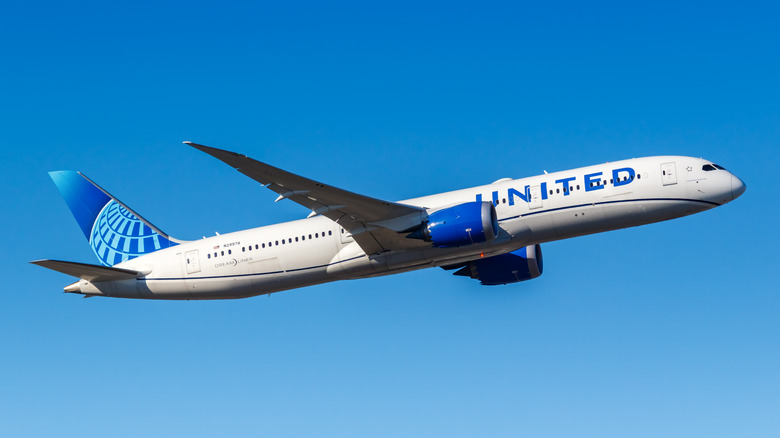
Ever since its introduction, Artificial Intelligence (AI) has been transforming the way people travel. Travel search now relies heavily on ChatGPT and Google Gemini in addition to blogs and travel websites. In recent months, customers have even been using autonomous AI agents to plan and book their flights. However, in a press release on November 11, 2026, United Airlines announced its decision to block third-party AI agents from making reservations on behalf of customers, citing concerns over data breaches and regulatory compliance. The statement reads, "Sharing account credentials with personal, third-party, AI assistants can expose sensitive information, and actions taken by these tools may result in unintended purchases, account changes, or use of MileagePlus miles."
United also notes that AI cannot make declarations on your behalf for human aknowledgements, like a customer's declaration that their bags are free of banned substances during check-in. In fact, AI agent bookings can violate FAA and DOT regulations if they do so. In United's Digital Trust Center page on this new policy, the airline recognizes that AI can help make travel easier, but it believes "that innovation should move forward thoughtfully, with consideration of customer trust, privacy and security." The company is putting a hault to these agents across many platforms, including with third-party aggregators and travel agents to stop autonomous AI bookings.
While some celebrate the move, not everyone is as positive. In response to United's announcement, JetBlue's President Marty St. George said that airlines are partially concerned that "AI intermediaries could eventually seek compensation" over direct bookings (via Reuters) — a view confirmed by United Airlines CEO Scott Kirby. Others have criticized United's double standards, pointing out that the company has offloaded customer care and administrative tasks to AI despite customer opposition.
What does United Airlines' decision mean for customers?
The customers most affected by United's new policy are those who use agentic AI, like Meta's Muse. Unlike generative AI or search AI, which combs through existing material on the internet to find and present information, agentic AI uses autonomous agents that work in the background to fulfill tasks for users. In this case, some people task their AI agents with finding the best flight within certain parameters and making a reservation on their behalf. The AI agents can search the internet, visiting the airline's website and third-party aggregators, and book flights without needing any further input from the user. While United is banning this specific type of AI, it isn't stopping users from using generative or search AI to plan their trip.
The airline's tips for safely using the technology mirror travel expert Rick Steves' protege's tips on AI for travel planning. In short, United encourages the use of AI for general trip planning and inspiration but asks users to avoid giving AI agents sensitive information, like account passwords, credit card information, or exact flight details. In its FAQ section, the agency still allows the use of generative AI search tools like Google Flights' Gemini-powered "Flight Deals" to find affordable fares or travel aggregator Kayak's AI Mode. These tools can help you plan your trip, but a human must make the final booking. The airline advises users to manually review the flight details on their website.
United has also confirmed that it will honor bookings made by AI agents before November 11, but any such bookings after that date are subject to the new policy. For users who may have already shared sensitive information, the airline suggests changing their passwords and securing their account against unauthorized use immediately.