
Between Scarborough And Middlesbrough Is A Historic Village Inside A National Park With Victorian Charm
England has a long and fruitful history linked to the establishment of the railway network in the 19th century. Especially in the north, where much of the iron-mining and iron-making industries were concentrated, visitors can still observe remnants of the golden age of rail, which transformed many rural towns into busy transport stops. Nestled in the North York Moors National Park, the picturesque village of Grosmont is one of those historic places. To this day, places like its iron mine, historic parish church, and railway heritage sites dotted around the village reveal Grosmont's Victorian foundations. Adding to the historic charm is the vast stretch of nature and geological marvels surrounding the village, which makes it an ideal base for exploring the national park on its doorstep.
Within easy reach from Grosmont, travelers can visit the North York Moors' highest waterfall, miles of wild moorland, and even a small stone circle dating back to prehistoric times. Not just its fascinating heritage, but also the village's relaxed atmosphere make it a great place to linger after exploring its natural wonders.
Taking the Esk Valley heritage steam train is one of the best ways to experience the area's spectacular scenery. The train connects Grosmont to the seaside town of Whitby (close to Scarborough) to the east and to Middlesbrough to the north. For visitors planning to drive from either hub, Whitby is the nearest town, about a 20-minute drive away. However, despite being further away, Middlesbrough has better access to the region's main international airport, Newcastle International (NCL).
Grosmont is in the heart of the North York Moors National Park
One of only 15 national parks in the UK, North York Moors National Park (NYMNP) is the second-largest in the region, after the Yorkshire Dales. West to east, it stretches from the hilly hinterland (home to the Howardian and the Hambleton Hills) and valleys of farmland to the magnificent North Sea coast, characterized by its dramatic sandstone and chalk cliffs. Although not geographically halfway between the two, Grosmont features aspects of both landscapes.
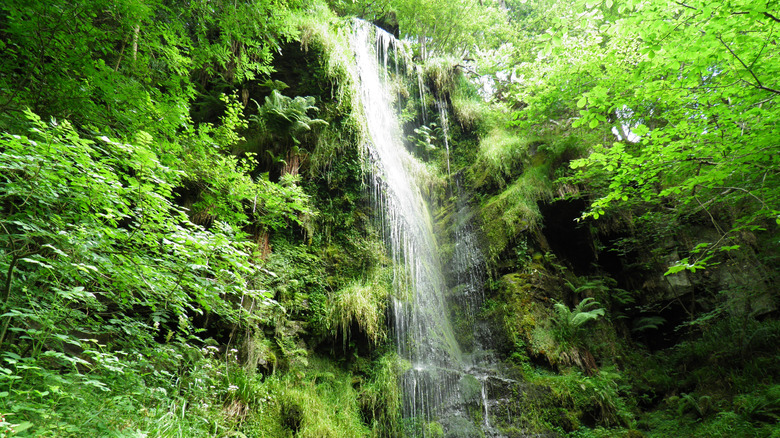
Heading west from the village, visitors can reach the 70-feet-tall Mallyan Spout Waterfall, nested within a rocky crevice and surrounded by emerald mossy boulders and ferns. The area's beauty has even earned it a place in British TV hall of fame, and it can easily be explored on foot, whether you want to follow the 3 miles out-and-back into Beck Hole, or simply wish to circle back to the footpath's starting point – located right by the Mallyan Spout Hotel.
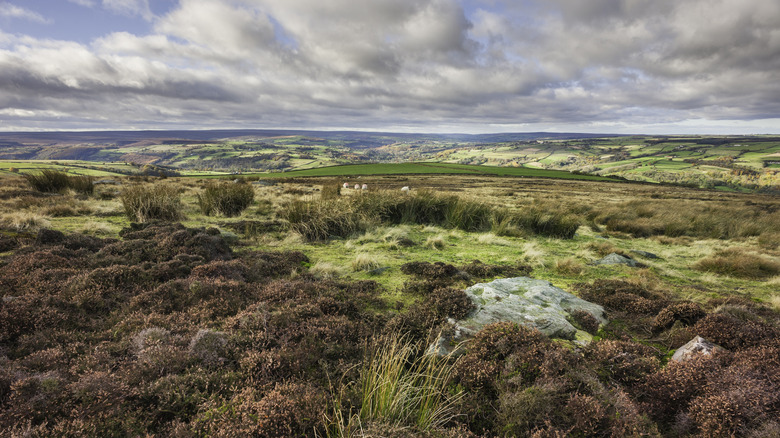
Heading towards the eastern side of the park, a vast stretch of heather moorland opens up. Its full dramatic effect is best enjoyed in late summer, when the bell heather in bloom covers the moors with a thick, purple blanket. Less than 10 miles away is the captivating coastal town of Whitby, famous for inspiring Bram Stoker's Dracula. Just east of Grosmont lies the mysterious High Bridestones stone circle is located. Tentatively dated to the Bronze Age, only fragments remain of the suspected four-stone site, similar to vertical stone circles occurring further north in Scotland.
Experience the village's Victorian charm and rich history
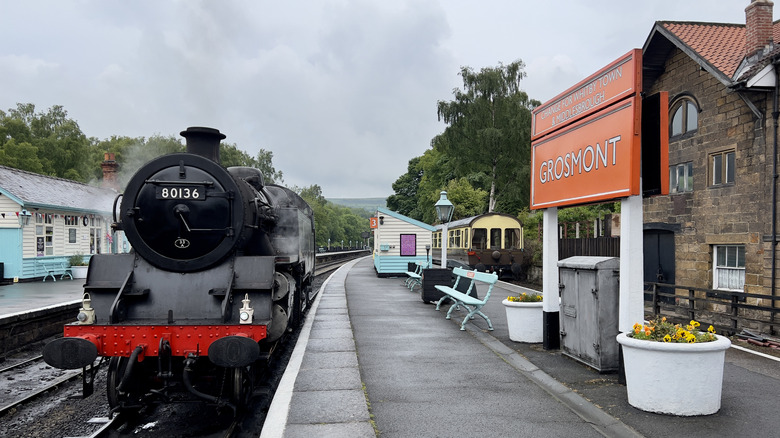
Grosmont wasn't always called by its current name. Up until the 1850s, when its livelihood still relied heavily on its railway "horse tunnel", the village was just known as "Tunnel". Not to be mistaken with Yorkshire's quirky tunnel attraction and self-proclaimed "strangest place in the world", Grosmont's tunnel was built for the sole purpose of connecting the historic Pickering to Whitby line. It was engineered by none other than George Stephenson, whose creation of one of the first steam locomotives in the UK earned him the nickname "father of the railway".
Another important Victorian establishment in the village is the UK's oldest independent retail cooperative, founded by village locals in 1867. The Grosmont Co-operative Society is still active today, running its small enterprise from a historic 18th-century building, and selling all kinds of goods – from fresh cheese and vegetables to stamps and newspapers, acting as a local post office. From there, travelers can walk through Stephenson's original horse tunnel (now fully pedestrianized) and into the Grosmont Engine Sheds for a tour behind the scenes of railway history. The infrequent Monday tours need to be booked in advance, and they start from the shed's gift shop — another popular spot for railway aficionados and collectors.
For those interested in medieval history and exploring a quaint market town, it is worth planning a detour to Pickering, a vibrant town with charming shops and Norman castle ruins just on the edge of the North York Moors. The eastern edge of the North York Moors is also a particularly popular area for hikers and outdoors aficionados keen to tackle the Cleveland Way. Those looking to explore the region on foot can follow short snippets of this 109-mile natural and cultural pilgrimage, which crosses the park in a slightly bent, upturned horseshoe shape.