
Why Is Your Hotel Holding More Than The Room Rate At Check-In?

You check into a hotel and notice the amount authorized on your credit card does not match the room rate. Maybe you even prepaid ahead of your visit, but are still asked to hand over your card at check-in. Why is that? This is often an incidental hold, a temporary authorization that the hotel does to reserve funds for potential additional expenses during your stay. Booking a trip without knowing how much a hotel will temporarily hold can affect your budget for your vacation, so knowledge is key.
Incidental holds are meant to cover expenses guests sometimes add to their bill, like room service, minibar purchases, parking, laundry, or other amenities. The average hold amount can be between $25 and $300, varies by property, and may be calculated per night or as a flat amount. Ask about the hotel's incidental deposit policy before arrival to avoid surprises at check-in.
Once the guest checks out, the hotel calculates the final bill and releases any unused portion of the authorization. For extended stays, a hotel may need to reswipe your card every week or so, depending on your bank's policies. Travelers should always take this into account when budgeting money for hotels on their trip, especially if they are using a debit card and need access to those funds while traveling.
Travelers should ask about incidental holds before checking in
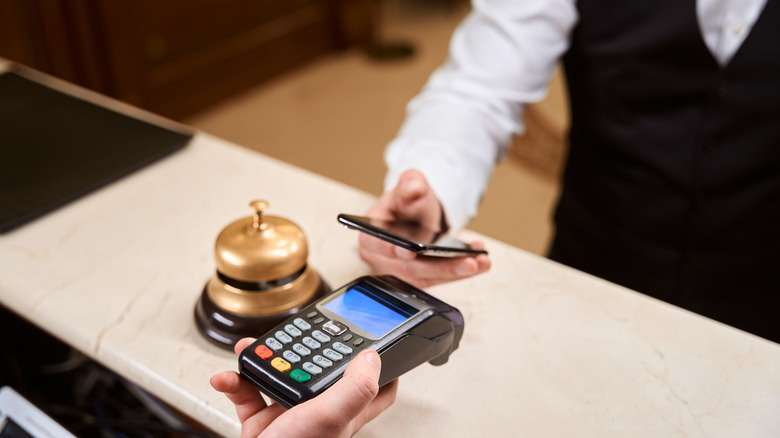
Although an incidental hold is temporary, it can affect how much money travelers have available during their trip. If the hold is larger than expected, it could leave less room for meals, transportation, sightseeing, and other vacation expenses. Before checking in, be sure to ask the hotel how much it will authorize, whether the amount is charged per night or for the entire stay, and whether the property accepts different payment methods.
Travelers should ask the hotel when the hold will be released after checkout and how long it typically takes for the funds to be available again. While hotels usually initiate the release upon checkout, it ultimately depends on the guest's bank or credit card company. Processing times vary by bank and payment method, so travelers should contact their card issuer if they need a more specific estimate.
While the funds won't be available until after your trip, it is still important to know what to expect so you can budget accordingly. Card holds can last anywhere from a few minutes to a month, but typically credit cards take between three and seven days and debit cards up to 14 business days. Hotels authorize more than the room rate at check-in to protect themselves against unpaid incidental expenses. Knowing about extra hotel fees and temporary holds can help travelers decide whether a particular property fits their budget or if they'd be better off choosing a more affordable option or destination that leaves them with more spending money for the trip.