
Can You Sue A Hotel If You Get Carbon Monoxide Poisoning While Staying There?

In November 2026, TikTok creator Jacki Bru posted a frightening account of what she believed was carbon monoxide poisoning while staying at a resort in Cancun. The symptoms she experienced, which included headaches, dizziness, and fainting, are consistent with the signs of breathing carbon monoxide. Thankfully, she and her husband recovered quickly after they left the resort. Others haven't been so lucky. In February 2025, for instance, three American travelers were found dead in their room at a Belize resort. Their families filed a wrongful death suit against the resort after an investigation confirmed their deaths were caused by carbon monoxide released into the room by a faulty water heater. That suit is still in progress as of the time of writing.
Carbon monoxide (CO) is an invisible and odorless gas produced when fuels like wood, charcoal, or gasoline burn. Many common appliances, like furnaces or portable generators, release CO, which accumulates in the air if they're used in poorly ventilated areas. When people breathe it, it replaces oxygen in their blood, leading to flu-like symptoms that can escalate to tissue damage, brain damage, or death if they don't reach fresh air in tihttps://www.islands.com/img/gallery/people-dont-talk-about-the-most-dangerous-parts-of-rv-living/carbon-monoxide-poisoning-1727054288.webpme. If the exposure happens while someone is asleep, they can breathe a fatal dose before they even know there's a problem. Because of that, it's particularly dangerous in spaces like hotel rooms and a sneaky danger of Airbnbs, as well as one of the biggest potential hazards of RV living.
The best way to protect yourself against CO poisoning while traveling is to pack a portable carbon monoxide detector. You can get one for as little as $25-$30, and there are battery-powered versions that are ideal for international travel. If you don't bring a detector and you get sick, you may be able to sue for medical expenses and emotional distress.
Legal recourses if you get carbon monoxide poisoning on vacation
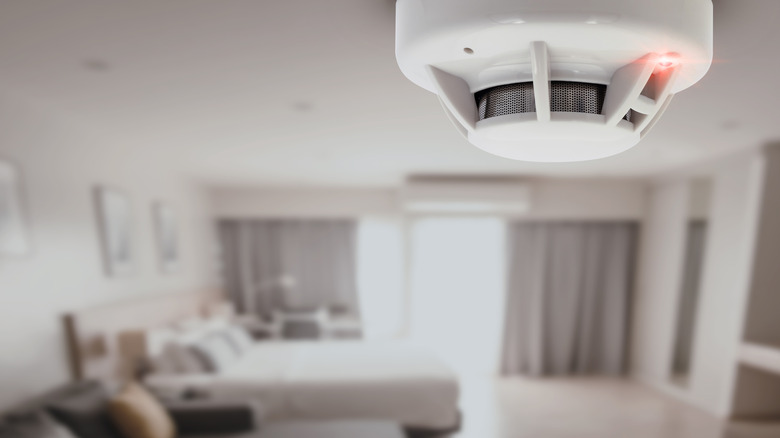
Within the United States, 15 states require temporary lodging like hotels to install CO detectors. That gives you legal standing to file a suit under negligence per se. Violating a statute is considered a breach of duty and makes that business negligent under the law. That said, it doesn't guarantee that you'll win the suit. You still need to prove that this statute violation caused your injury.
Even in places that don't require CO detectors, hotels are required to keep their properties safe under what is called premises liability. This holds the owner responsible for injuries resulting from unsafe conditions and requires them to properly inspect and maintain anything on the property that could be dangerous. Again, though, this isn't an automatic win. You still need to show that the hotel failed to take reasonable steps to prevent the problem, for example, by neglecting maintenance. The hotel itself may not be the one at fault, either. If the CO leak was caused by a water heater, for example, then the responsible party could be the contractor who installed or repaired it or the company that made it if the device itself has a defect.
If you believe you've suffered CO poisoning, get your blood tested for carboxyhemoglobin (CO-Hb) as soon as possible to prove you were exposed, and document your symptoms and any medical care you receive. If it's safe to do so, photograph potential leak sources like gas-powered appliances in the room, and request to see the hotel's maintenance logs when you report the issue. Taking those steps can preserve evidence that the hotel breached its duty of care and you suffered harm as a result, improving your odds of winning this type of lawsuit.