
Forget Porto, Portugal's Lesser-Known Escape In The Mountains Has Arts, Culture, And A Nearby Nature Park
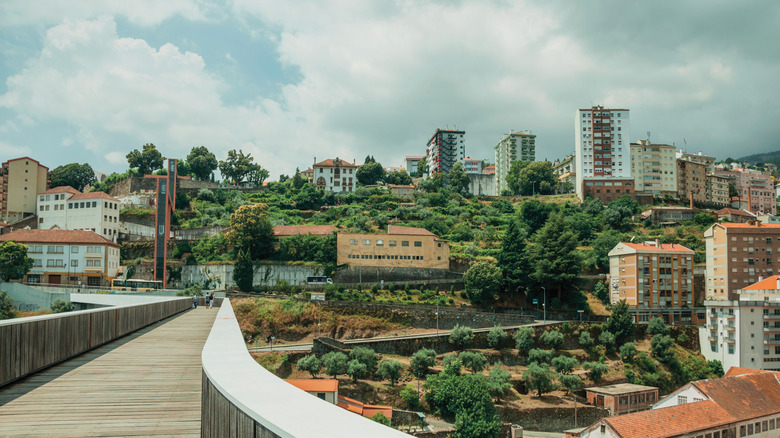
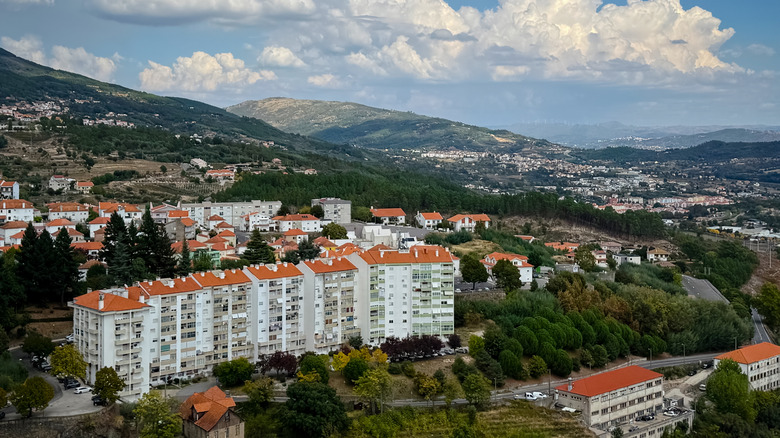
Portugal is far more than dreamy architecture and big waves — some of its best destinations are buried deep in its western mountains. One such place is Covilha, a historically industrial town known for wool farming and its ties to the Serra da Estrela mountain range. Covilha sits at the intersection of the Carpinteira and Goldra rivers and has a rich culture based in industry, artwork, and pastoral cuisine.
Located in the heart of the mountains, Covilha's history dates back to the Middle Ages when the town first started producing wool textiles. Trains first reached the mountains in 1891, bringing commerce and tourism that helped develop the town into the culture and arts hub it is today. Much of the architecture and identity dates back to the 1970s when industry boomed, and although there has been a shift toward modernity today, this heritage remains in the street art and cultural events that happen year-round.
Covilha is located in Northwestern Portugal, about 118 miles from Coimbra. If you're traveling in from overseas, the best way to get to town is by flying into Lisbon or Porto, which are roughly 160 miles from town. Both drives take about three hours by car, or visitors can catch the bus from either city in about the same amount of time.
Arts, culture, and nature in Covilha, Portugal
Every year, the city hosts the Covilha Wool Festival, dedicated to showcasing the works of urban artists. Wool goes beyond the festival name; street art dedicated to Covilha's industrial past can be found across the town, with murals depicting textiles, looms, and shepherds. Another impressive work is used every day to get across town — the Carpinteira Pedestrian Bridge. The path has many accolades for its unique design, including the "7th Iberian-American Biennale for Architecture and Urbanism," according to the Center of Portugal.
Wool is in all facets of Covilha's culture, and the textile is largely celebrated across town. The same sheep that produce this wool are also a staple in its food culture, with the famous Serra da Estrela cheese appearing in many regional dishes. To learn more about the mountain influence and industrial history of the town, head to the Covilha Museum, which showcases the town's civilization and heritage.
Covilha is an excellent gateway to the country's largest preserve, Serra da Estrela Natural Park. The park encompasses the Estrela Geopark, which was designated as a UNESCO Geopark in 2020, and features the tallest point in Portugal's mainland. Lucky visitors can even see into Spain from the highest point on a clear day. The park is home to over 233 miles of trails that accommodate a range of skill levels. Be on the lookout for the famous mountain sheep, Estrela mountain dogs, juniper, and wildflowers. If the mountains are still calling after your visit to Serra da Estrela, head to Peneda-Gerês National Park, Europe's most underrated outdoorsy destination with ancient villages and beaches.
Dining, accommodations, and when to visit Covilha, Portugal
One of the most highly rated accommodation options in Covilha is the 4-star Hotel Pousada Serra da Estrela, which is built into a mountainside with lavish rooms and amenities. Alternatively, the Youth Hostel Serra de Estella has budget accommodations. If staying in the heart of town is your prerogative, check out the Royal Collection Covilha. Although the town is overflowing with options, nearby Monsanto, an under-the-radar medieval gem with unique rock houses, is another excellent base for exploring the nature park.
Dining is important in Portugal, and unlike the coastal cuisine the country is often associated with, the restaurants of Covilha offer heartier meats and mountain produce. Restaurante Acafrao, a high-end establishment showcasing products from the mountains, is a good option for local fare. Unique menu staples include goat butter, traditional cozido (a Portuguese stew), and Iberian pork. Another highly rated, but more unassuming spot is Casa das Muralhas. One reviewer noted, "One of the best dining experiences in Portugal; everything was made with a flair, and the waiter was very knowledgeable."
The best time of year to visit Covilha is from May to October, when the weather is pleasant enough for a hike or stroll around town to admire the street art. This time of year is notably dry with ample sunshine. Before your visit, be sure to read up on the unwritten rules you should know before visiting Portugal.