
Unwritten Rules You Should Know Before Visiting Portugal
We may receive a commission on purchases made from links.
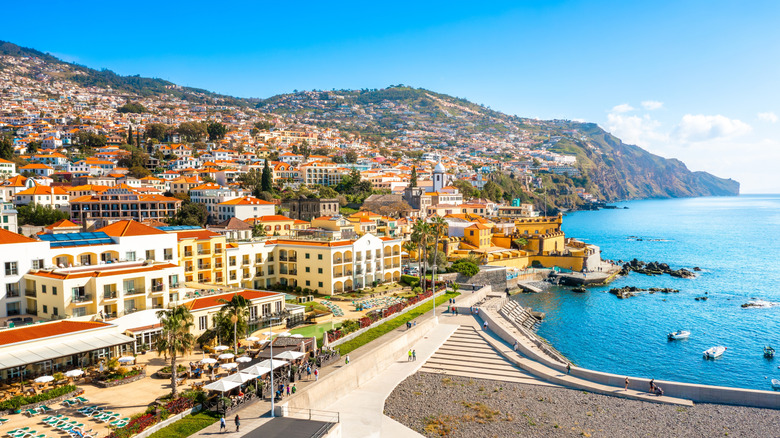
With more than 1,100 miles of coastline, including its many islands, Portugal is an irresistible vacation destination with a vibrant history. It's tucked against Spain's western border and is likewise known for its wine, especially port from the Douro region, Madeira from the island archipelago of the same name, and Vinho Verde from its eponymous northwestern area. You'll discover the freshest seafood, architectural fusions, world-famous beaches, and much more.
There are some things to keep in mind when planning your trip, such as when the best time is to visit Portugal for fewer crowds and incredible weather. You may want to start with Lisbon, the nation's capital and largest city, or you can head for one of numerous oceanfront resorts and postcard-worthy cities like Funchal, Cascais, Setúbal, or Porto, where Rick Steves loves to spend a lazy afternoon. But deciding where to go is just one facet of planning a trip to Portugal, where local customs determine the rhythm of the day, restaurant culture, and how to get around.
Explore 11 unwritten rules you should take note of for your trip to Portugal, from how to tip at a cafe to what to expect as you explore cities on foot. In addition to my own experience visiting the country, especially Lisbon and the surrounding area, I have also consulted blogs penned by locals and frequent travelers who have spent time around the country, such as Olá Daniela, Pack the Suitcases, Portugal Simple Life, and more. I've also did deep dives into discussions on Reddit and additional articles about Portugal travel published by Viator, Travel + Leisure, The Guardian, and others.
Don't speak Spanish
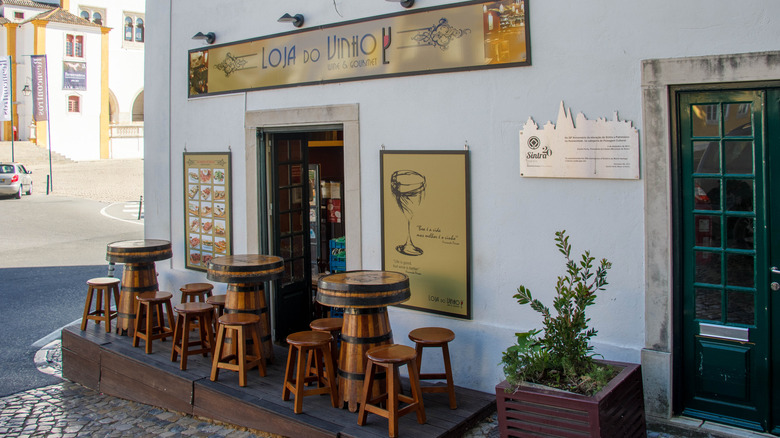
Portugal may be smaller, but it's filled with cities and beaches that feel similar, in some ways, to Spain — but it's definitely not the same. Portugal has a character all its own, including its language and customs. One of the biggest no-nos when visiting? Speaking Spanish instead of Portuguese. Yes, it's easy to mix them up because they're both considered Ibero-Romance languages and have a lot of words in common. In fact, about 89% of their vocabularies are largely the same. However, you still shouldn't mistake the two. Of course, if you accidentally speak Spanish, it's not generally a big deal. The issue comes when visitors are presumptuous. "What's disrespectful is assuming the other party speaks whatever language you want to speak, without assessing if he/she speaks it or not, which is not only valid for Spanish but also for other languages, English included," shares a commenter on Quora, who lives in Portugal.
Many daily-use words in Portuguese, such as "obigrado/a" (thanks), and "bom dia" (good morning) are different than their Spanish counterparts. As a tourist, these are examples that you'll also likely use. Some are similar, but not quite the same, such as "vinho" (wine), which is "vino" in Spanish. Portuguese pronunciation can also be a little more difficult for native English speakers, partly because there are some sounds that don't even exist in the other. Liz of Talk the Streets suggests keeping accents in mind to help with speaking, such as the difference between "esta" and "está." The former means "this," so you may use that when traveling, such as to say, "Quanto é este?" or, "How much is this?" On the other hand, "está" accentuates the last syllable — the "ah" sound — and this difference changes the meaning to "is."
Sit down for relaxed (and sometimes long) meals
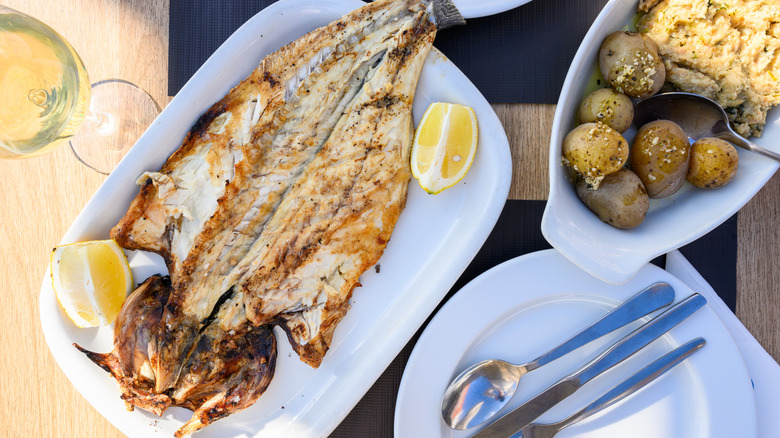
In Portugal, as with many other southern European countries where seafood is plentiful and Mediterranean specialties like olives and grapes are grown in abundance, simplicity is done to perfection in local cuisine. Portugal is particularly known for its seafood, including its canned fish, which everyone who visits simply must try. Locals also really love to sit and enjoy a meal, and they take their time to eat. Lunch especially can be up to a two-hour affair, especially on weekends.
There are three important meals per day, although they trend a little later in the day than most Americans are used to. Breakfast is light and usually consists of a coffee and small snack like toast or a pastry — very continental. Lunch and dinner, however, are larger since they are the most important meals of the day.
Additionally, these meals are typically eaten between noon and 2:30 p.m., and 7:30 and 10:30 p.m., respectively. That means getting to restaurants a little later than you may normally expect, where a more relaxed vibe is central to the experience — no one will set time limits on your table. Essentially, meals in Portugal are an opportunity to relax, socialize, and genuinely enjoy fresh food. As an aside, if you're invited to dinner, always bring something to share with the table.
Always say a greeting, and prepare for a long goodbye
Many of us are used to greeting, say, a staff member when we enter a shop and we happen to make eye contact — or they greet us first. In Portugal, however, the standard is a little bit different. One of the bigger mistakes a Redditor initially made (and noticed non-locals making)? "Not greeting the room when entering a space. It took me ages to pick up that I was meant to say hello when entering the waiting room at the dentist, for example," they said. Always say a simple "Óla!" or "Bom dia!" when entering a shop, as well as in other similar situations. In the afternoon, say "Bom tarde!" Another Redditor added, "In general Portuguese are very welcoming and just want the other person to be comfortable and have a good time."
Portuguese people also love to linger in the doorway and let the goodbyes carry on. They'll sometimes move into completely new conversation topics as they work their way to the end of the visit. It's a way of extending the welcoming vibe — no one wants to feel rushed. One expat said on Reddit: "When guests leave someone's house there will still be a 5-10 min moment at the door while putting on jackets where a myriad of topics might still be explored, from football to your brother's knee surgery to tomorrow's weather." In her article for Travel + Leisure, Lisbon local Stacey Leasca said, "Most conversations end with 'beijinhos,' or it's even written out in English as the opposite: 'big kiss.'" For context, the term "beijinhos" actually translates to "little kiss," as Leasca explained in the article.
Know what kind of coffee you're ordering
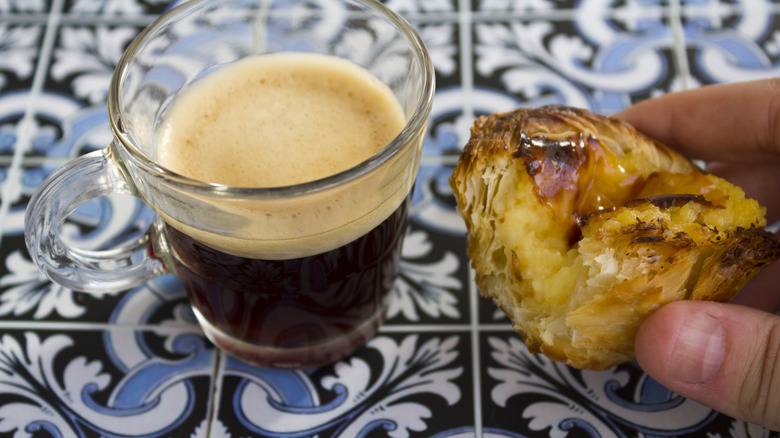
Portugal loves coffee not only because it goes so well with national delicacies like torrada (a brioche-like toast) and pasteis de nata, but also because cafe culture is deeply ingrained in the southern European way of life. For Americans especially, the coffee menus probably won't be what you're expecting — it's all about the simplicity of a well-crafted espresso here.
For the closest thing to a brewed or filtered coffee, order an Americano, or a café du saco, which is essentially an espresso shot with added water. The most common menu item consists of a simple espresso shot, which, depending on the region, you can order as a café, a cimbalino, or a bica. Particularly in the morning, Portuguese coffee drinkers also like to enjoy coffee with milk added. A galão is like a latte, and a meia de leite is typically a slightly smaller, 6-ounce version. Another common order, the pingado, is kind of like an Italian-style macchiato with just a little bit of milk on top — my personal favorite.
As for what to pair with a good brew, try a bolo de figo, fig cake local to the Algarve, a region which boasts some of the most breathtaking beaches in Portugal. Also at the beach, try bolas de Berlim, which are sugar-dusted donuts sometimes filled with custard. And don't skip pastel de nata, with its flakey crust and egg custard center that melts in your mouth. I personally love the ones made by the legendary Pasteis de Belem or Manteigaria in Lisbon, two bakeries that are often mentioned as having the best pastel de nata. But honestly, it's hard to get a bad one if you get them fresh.
Don't worry about tipping a lot (or at all)
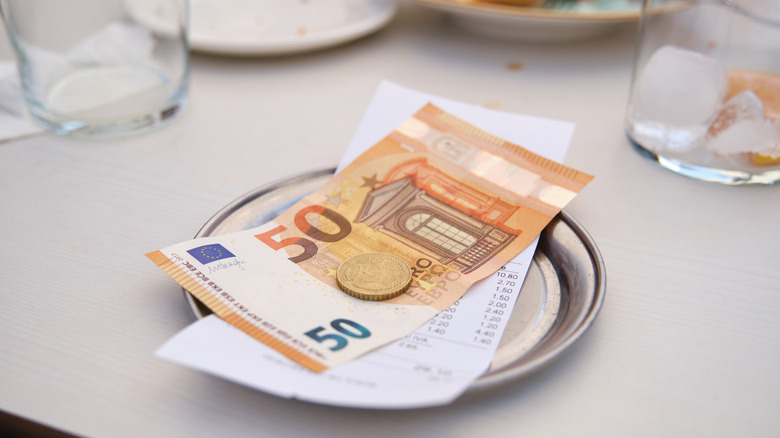
These days, Americans are wired to tip a lot at restaurants, partly because the basic wages for servers in these establishments are designed to be bolstered by the addition of tips. In Portugal, that's not the case, and tipping here is more of an acknowledgement of good service. If you didn't like your meal, you don't have to tip, but servers still appreciate the token of thanks if you did. I always carried cash around Portugal for this reason, especially if I was traveling in more rural areas.
There may even be a viable reason not to tip, at least gratuitously — pun intended — according to locals. "Tourists tend to bring with them a tipping culture that is alien to locals – Portugal has no tipping culture and many locals actually do not like to see foreigners doing so because they do not want to encourage it so as to avoid it becoming the norm," said one expat on Reddit. Another added that tips should be reserved for situations involving a full meal and a considerable level of service. In other words, don't worry about tipping at coffee shops or bakeries, let alone retail places, which is something Americans encounter much more frequently with automated suggestions at points-of-sale. Like many places, automatic tip suggestions may appear on your restaurant bill in touristy parts of Portugal, but this is not the norm. Don't bother with percentages; just leave an extra euro or two on the table before you leave.
Don't assume the bread on the table is free
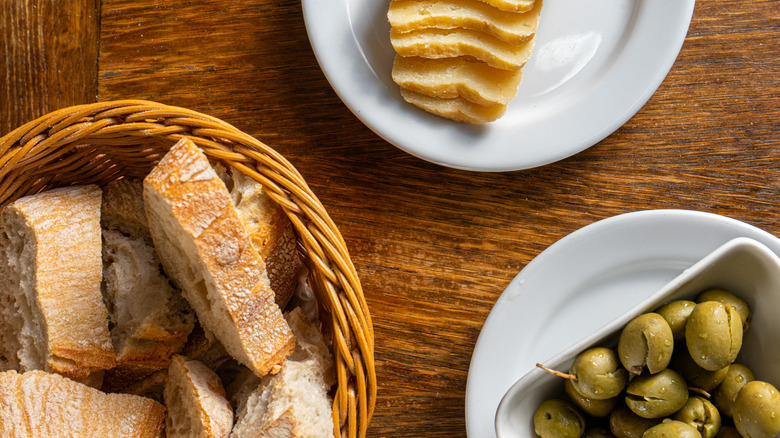
Imagine yourself sitting down to dinner, and a few minutes after you've arrived, perhaps while you're even still looking at the menu, a basket of warm bread arrives on the table. In the U.S., this gesture is typically a little "freebie," a kind of complimentary custom that indicates a more upscale dining experience. In Portugal, think again. "If I had a euro for every Google review I've seen on a restaurant page complaining about being charged for the 'snacks that appeared' at the start of the meal, then I'd never have to pay rent again," writes Daniela of the travel blog Olá Daniela.
In Portuguese restaurants, the bread — and any other snack-like items, such as olives — aren't free. It's part of the so-called couvert system — "couvert" means cover charge — which can take tourists aback. Although a basket of bread, olives, and other treats may be waiting for you at your table when you sit down, Mark Wolters of Wolters World cautions first-time visitors to resist digging into the food right away. You'll eventually receive a menu that will show the prices, and if you've started to eat any of it, you will be charged. If you leave it be or politely say, "Não, obrigado" (no, thank you), they'll take it away. Another note on this custom is the brined lupini beans, known as tremoços, that you'll see served alongside beer or wine at bars. I've been in places where the bar charges for them and others where they do not, so it's alright to check if they show up on your table.
Make the most of public transportation
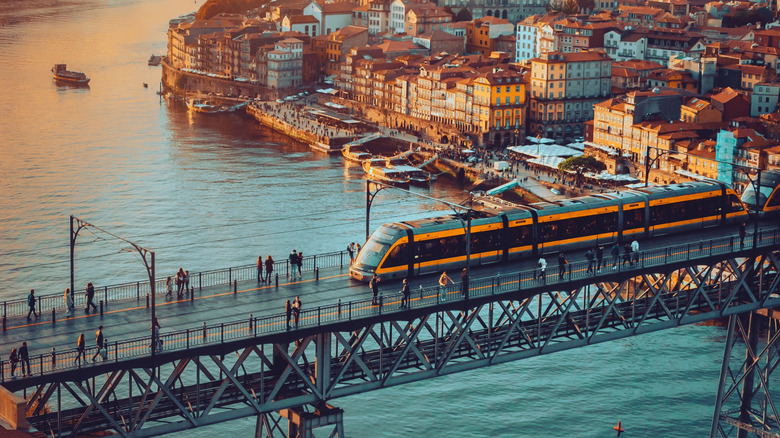
Lisbon is one of the most well-known destinations in Portugal, partly because it's easy to fly to directly from other major hubs. But there are plenty of travel destinations around the country to explore, many of which are very popular with boomers. Fortunately, there's a robust public transportation network of buses, trams, metro, trains, and ferries. In Lisbon, for example, you can head up or downhill via the vibrant and iconic trams. To explore a little farther afield, hop on the ferry across the Tagus River to southern points like the town of Barreiro, where you can get more of a taste of "everyday" Portugal — it's not very touristy but therefore more affordable, and the views across the Tagus are beautiful. Another popular route brings tourists to Cacilhas, which is the gateway to the Santuário de Cristo Rei (Sanctuary of Christ the King) and stunning views across Lisbon.
Trains are the best way to connect to other cities, such as Porto (taking about two and a half hours), Lagos in the Algarve (two and a half to three hours), or the nearby stylish seaside town of Cascais (40 minutes). To get to Funchal, Madeira, you'll have to fly, as there's no ferry service from the mainland. And if there isn't a train to the specific location you're heading, especially in rural areas, buses like ALSA and Rede Espressos fill in gaps in the routes.
Wear shoes suitable for cobbled sidewalks
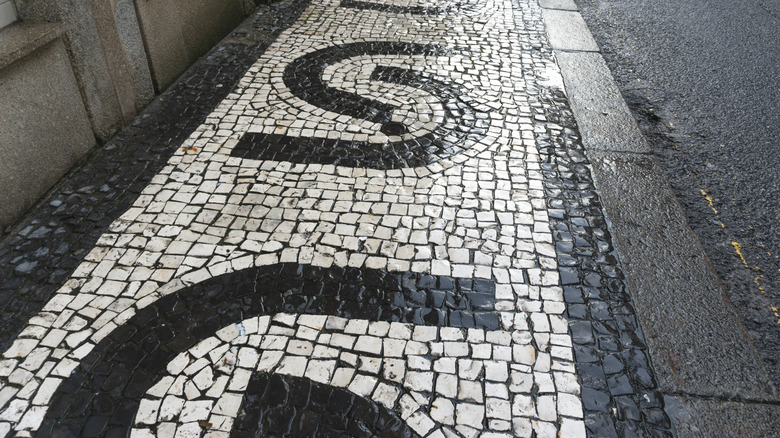
When it comes to advice for tourists heading pretty much anywhere in Europe, good walking shoes are typically toward the top of the list because most cities are immanently walkable. But there's also a safety element at play. Especially in cities like Lisbon and Porto, where you'll certainly do a lot of strolling, cobblestones are everywhere you look. They're typically small, square blocks that, in some places, are arranged in intricate patterns. They coat the ground of public plazas and sidewalks in historic center centers, and while they're delightful to look at, they're hazardous to traverse in heels or platforms. They can also be slippery when wet, and depending on their upkeep, the tesserae may have some gaps or unevenness. Carly of the travel blog Fearless Female Travels shared that her ideal combo takes the season into consideration, plus safety: sneakers, flip flops for the beach, and either comfy walking sandals in the summer or boots in the winter.
Keep a moderate conversational volume
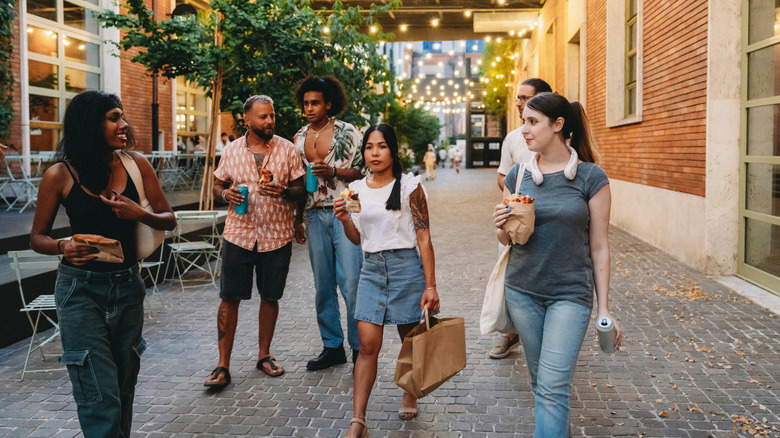
Among the traits that Europeans always notice about American tourists is that they tend to be loud. We have a reputation for boisterousness and generally high volume, and according to a video from DW Euromaxx, it may have something to do with how Americans are used to having more personal space, so they speak louder to fill it. In Europe, spaces are smaller, and culturally, people tend to be more communal, so there's less of a need to project one's voice. Sometimes, though, it's just personal awareness — people can just be loud without realizing it when they're excited about experiencing something new. Just keep in mind that, in Portugal, this may earn you the side-eye.
"In Portugal, a calm, moderate speaking tone is a sign of good manners and self-awareness," travel advisor Sheree M. Mitchell told Travel + Leisure. "Speaking too loudly (especially in enclosed public spaces) can come off as disrespectful or disruptive." Compared to some other southern European countries, such as in Spain or in Italy, conversations may be louder and more animated, depending on the region. Portuguese locals tend to value a softer, more measured tone.
Punctuality is (a little bit) flexible
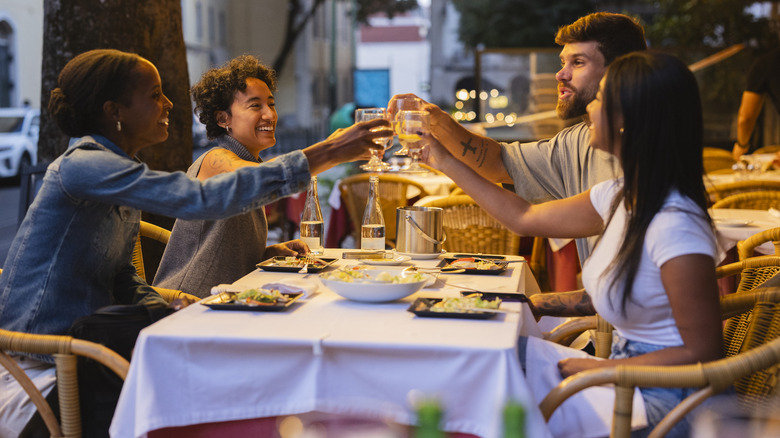
In Portugal, the rules of punctuality are a tad relaxed, especially in more casual social situations. If you say you're meeting for dinner at 8 p.m., which is considered somewhat on the earlier side for a typical dinner in Portugal, don't worry if someone doesn't show up at 8 o'clock on the dot. If they get there 10 to 15 minutes later, it's to be expected. Of course, this is more of a rule for casual social situations. If you find yourself in a more professional scenario, such as a meeting for a scheduled appointment at the doctor or a government office, for example, attendees are expected to be on time. It's just not that surprising if someone is a few minutes behind.
Timetables are sometimes expressed in a range of minutes or hours as opposed to exact times — like, "I'll be there after 2 p.m.," without noting a specific hour. One local in a culture forum on Practice Portuguese wrote, "Today, for example, we were assured that a telephone engineer would arrive between 2 and 3:30 to repair our broken line. He eventually turned up at 4:45. We have experienced countless examples like this. Just something you get used to."
Don't be put off by graffiti or the patina of city streets
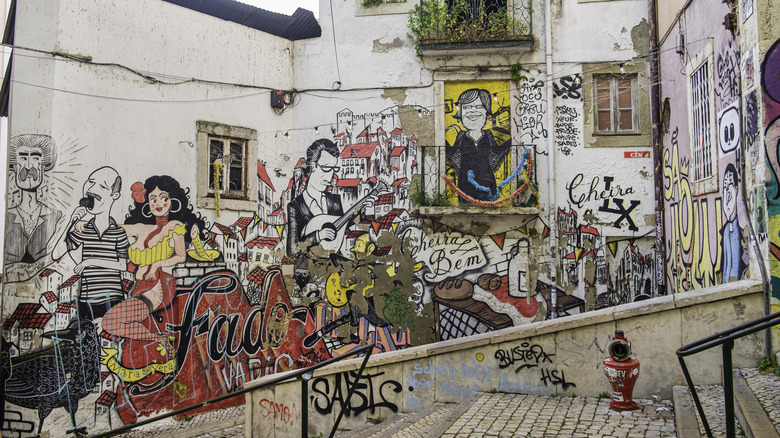
As a tourism spot becomes more popular, there's always some fear that the place will lose its unique charm. Lisbon has gone through an immense shift in the past decade or so due to a huge increase in tourism and expats moving there — thanks to favorable visas and tax breaks. Due to the influx of both visitors and new residents, however, accommodation has become very expensive. Gentrification and tourist-centric businesses have also begun to nudge out local places. "The brunch places have taken over the pavements," a Lisbon local named Inês told The Guardian. But there's some real individuality that could be lost if the graffiti and distinctive feel of the street disappears as well, so be sure to appreciate the wealth of street art that can be found in Portugal's cities.
"Lately I've been feeling the pace of tourism bulldoze some of the charm that made me fall in love with Lisbon in the first place," shared travel writer Daniela of Olá Daniela. "This city is not perfect, but at least it's real." The street art is genuinely worth celebrating, as there's quite a lot of it. Renowned Portuguese street artist Alexandre Farto, better known as Vhils, got his start in the area. There's a giant series of his portraits, made by carving into the walls themselves in Barreiro's historic Quimiparque industrial complex, right across the Tagus River from Lisbon. You'll also spot graffiti tags, wheat paste, and occasionally larger murals all over the area. You can even book a guided walking excursion through some of the most vibrant areas with Lisbon Street Art Tours. By appreciating these things now, we may just preserve them for future travelers.