
Montana's Most Remote City With Historic Charm And Rugged Plains Views Is An Out-Of-The-Way, Hidden Gem
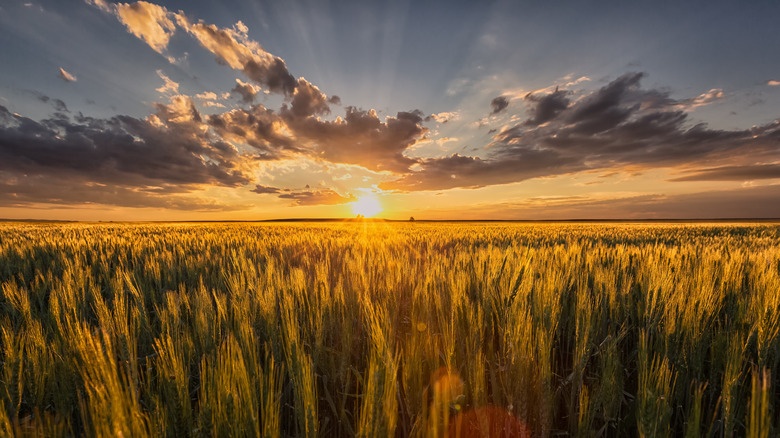
When you hear someone talking about visiting Glasgow, you're probably picturing Scotland's port city with its bustling streets, centuries-old architecture, and vibrant arts scene. However, in the United States, you'll find quite the opposite. In Montana, Glasgow is America's most remote city, surrounded not by cobblestone lanes but by golden plains and boundless horizons.
Think the set location of an Old Western, except in real life. Here, the Crown Jewel of the Continent, Glacier National Park, is five and a half hours away, and the nearest big city, Billings, is nearly four and a half hours away, depending on your route. With a population of just over 3,000 people, the city is a true escape for those seeking quiet, space, and an authentic small-town experience.
Adventurers can explore the nearby Fort Peck Lake, Montana's largest body of water, or head to the Charles M. Russell National Wildlife Refuge, home to elk, deer, and more than 235 bird species. Glasgow, Montana, may share a name with its Scottish cousin, but here the charm comes not from stone cathedrals or grand boulevards, but from wide-open skies, golden grasslands, and the quiet beauty of the prairie.
Glasgow's rich history and how it impacts daily life
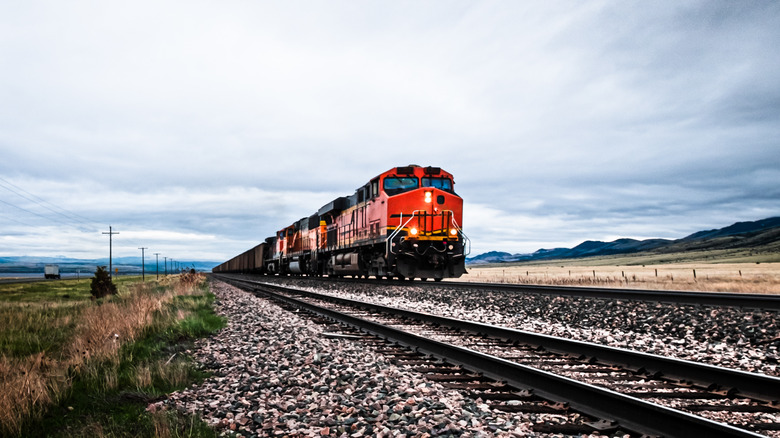
Glasgow's story begins in the late 1800s, when the Great Northern Railway carved its way across the sweeping plains of northeastern Montana. According to Missouri River MT, the city was named by a blindfolded railway clerk who spun the globe and landed on Glasgow, Scotland. The railway made it a lifeline for ranchers and farmers scattered across the region. It was a place to ship goods, gather supplies, and connect with the outside world.
In the 1930s, the Scottish-named city became a bit more vibrant and upbeat. Thousands of workers flooded the area to construct the Fort Peck Dam, sparking a temporary economic influx in the small town. However, being in, quite literally, "the middle of nowhere," when the boom ended, Glasgow returned to its slower pace and countryside roots.
Today, you can find history woven into daily life. Farming and ranching remain at the pulse of it all, just as they were over a century ago, and the community is its heartbeat. Locals carry the small-town friendliness seen in the 1800s. Trains no longer bring bustling crowds; however, they still pass through as a reminder of Glasgow's grit, endurance, and frontier spirit that shaped it.
What to do in the 'Middle of Nowhere'
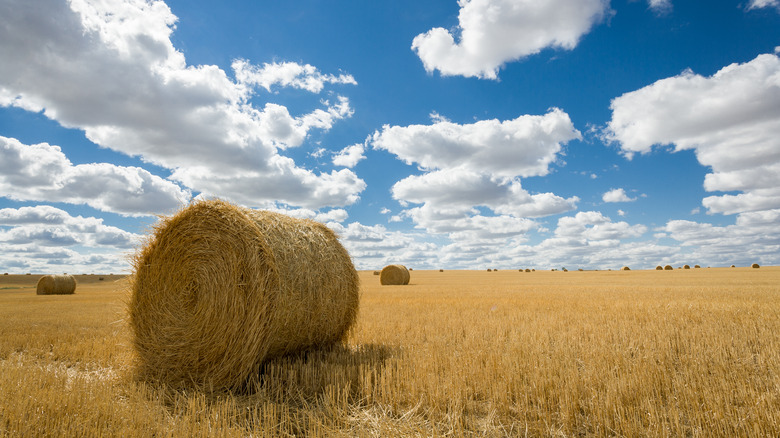
While Glasgow has earned its nickname as the "middle of nowhere," that doesn't mean there's nothing to do. Like many Montana cities tucked away in the mountains and filled with endless recreation, the all-consuming remoteness of Glasgow is just a part of the charm. You can go boating, fishing, and even have a serene picnic in solitude on the sandy shores of Fort Peck Lake. With all the wildlife roaming around, Charles M. Russell National Wildlife Refuge is a paradise for sightseers and photographers, too. History buffs can dive into the Valley County Pioneer Museum, where artifacts, photos, and exhibits tell the story of Glasgow's railroad beginnings and frontier life.
Back in town, stroll along Glasgow's Main Street and grab a pint at the city's local watering hole, the Busted Knuckle Taproom. Time your visit in August for the Northeast Montana Fair to see rodeos, enjoy live music, and participate in small-town festivities. Then, return to one of the adorable accommodations, like the Rundle Suites. In Glasgow, "the middle of nowhere" isn't an insult; it's what makes the city unique, a place that thrives far from the crowds.
Want to learn about more eclectic Montana hidden gems, though? Check out Big Sky Country's best preserved ghost town near stunning camping spots.