
5 Of The Worst Air Travel Myths, Busted
In the United States, air travel is one of the common ways to get around, with over 44,000 flights happening every day. However, while most Americans are familiar with airplanes and flying, there are still some persistent myths that won't go away. In some cases, this lore can affect how you travel, such as when you book a ticket or how you use your mobile devices when on board.
For that reason, we've rounded up five of the worst air travel myths that are still plaguing passengers in 2025. Whether you're a frequent flier or just soar through the skies on occasion, knowing the details about these myths can provide peace of mind and may make you a more adaptable traveler. Plus, if you know other people who still believe these misconceptions, you can politely correct them to try and end the myth's cycle. So, with that in mind, let's buckle our seat belts and put our tray tables in the upright position before taking off and debunking these air travel myths!
The air inside a plane is full of germs
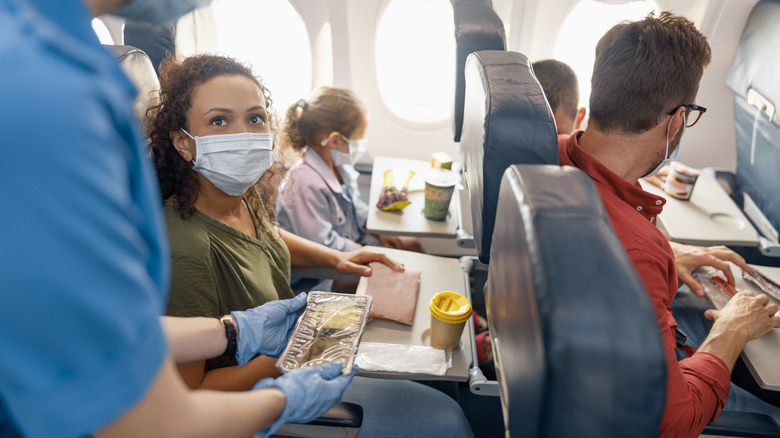
If you think back to the COVID-19 pandemic, traveling by plane was seen as a high risk, due to being in such close proximity to so many other people in a contained space. To help minimize the risk of contamination, airlines and the TSA enforced mask mandates, but many travelers were still wary of breathing in the same air as so many strangers for hours at a time. Thankfully, though, the air inside a plane is much cleaner than you might think. While there are still risks of contracting disease (for example, if your neighbor coughs or sneezes in your direction), you can breathe easy while flying. Instead, you might want to worry about the other dirty surfaces on an airplane.
But how is this possible? First, almost all commercial planes are equipped with HEPA air filters, which are designed to remove particles and pathogens from the air. About 40% of all the air on a plane is pumped in through the ceiling and pumped out through vents below the windows. Because the air is moving fast (about a yard per second), there's little cross-contamination between streams.
The other reason the air on a plane is so clean is that the remaining 60% of it is fresh from outside. Typically, all the air in the cabin is replaced every three minutes, making it difficult for germs and viruses to spread around. This air change is also why the cabin doesn't stink, despite the unexpected science of why you pass more gas on a plane.
Mobile devices are dangerous if they're not in airplane mode
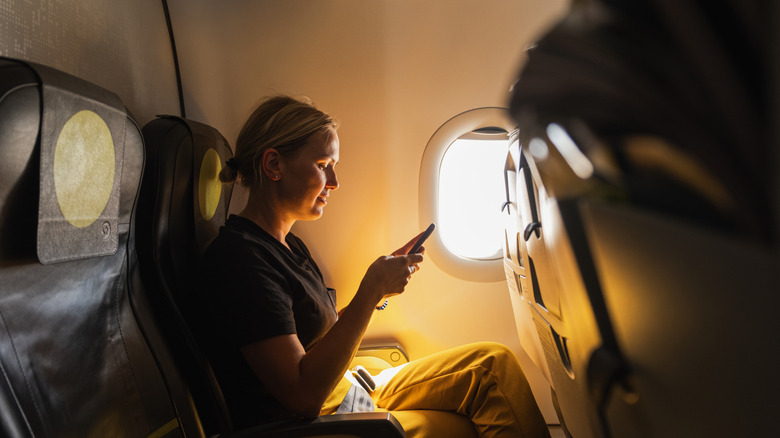
During the 2004 movie "Soul Plane," there's a scene where a flight attendant uses her cell phone in the air despite being told not to. Immediately after turning it on, the plane goes into a nose-dive. While this scene is exaggerated for comedic purposes, many people still believe using a mobile device while flying is dangerous.
But is there any truth to that? And if not, why are flight crews so adamant about passengers turning mobile devices off during takeoff and landing and using airplane mode during the flight? The short answer is that forgetting to turn your phone off won't cause a crash, but it can disrupt vital communications, so it's still a good idea to follow the rules.
Basically, the problem is that mobile devices, including portable gaming consoles, laptops, e-readers, and smartphones, emit radio waves. While modern phones don't emit as many as older models, the signals can still cause static and feedback in the cockpit, making it harder for the pilots to communicate with air traffic. So, while a single device likely won't cause major issues, if everyone kept their phones and laptops on during takeoff and landing, the signals could create some significant communication problems — hence the rule.
There's a right time to buy a plane ticket
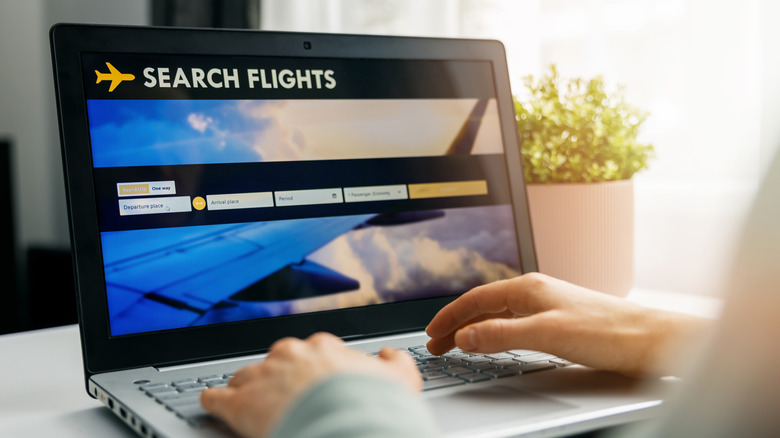
If you're a seasoned air traveler, you know that there's something of a science to booking a ticket, assuming you want the best price possible. According to most travel websites, the best day to book a flight and save money is Tuesday, ideally one to three months before for domestic travel and two to eight months ahead for international flights. But is that really the "right" time to buy? Well, it's complicated.
For a long time, calculating the best day to look for travel deals could make enough of a difference. Yes, it was more work, but you might save hundreds of dollars on a ticket if you were lucky enough. In modern times, though, technology can save you all of the hassle and still help you find the best price. The secret is to put your flight on a "watch list," where you'll be notified as soon as the price drops and given advice on whether to book now or wait a little longer. Apps like Hopper, Kayak, and Google Flights allow you to utilize these tools, meaning the algorithm works while you get to focus on other things.
But is there any truth to the Tuesday tip? Well, in the past it might have worked, but now that airlines adjust pricing based on complex algorithms and not just the day of the week, it's more a matter of correlation, not causation. Instead, a more reliable way to save is to be flexible with your travel dates, as Saturday and mid-week flights are generally the cheapest.
Passengers can open the door mid-flight
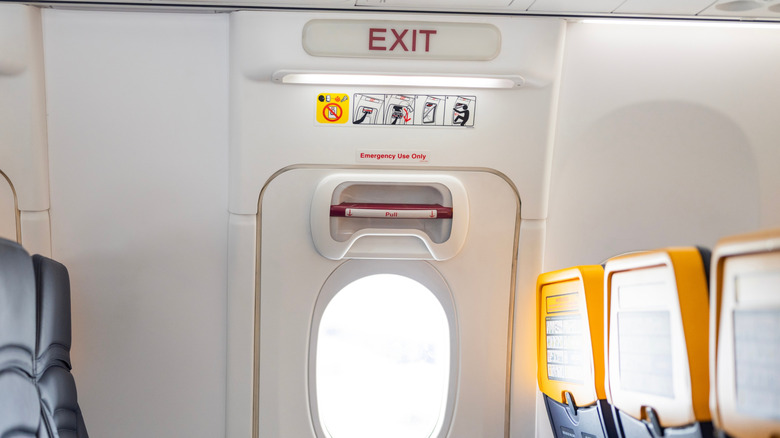
Another staple of pop culture and Hollywood is a person opening the main cabin door of an airplane mid-flight. Even recent news stories seem to confirm this is possible, as a man opened the door of an Asiana flight while it was still in the air in 2023. But is it really as much of a danger as the movies make it seem?
The short answer is that it's physically impossible to open the cabin door while the plane is at cruising altitude. There are several factors at play that would prevent the hero or villain of the story from making a daring escape. First, there's the matter of air pressure, which is stabilized inside the aircraft, allowing passengers to breathe. This pressure difference seals the door against the fuselage, creating 9 pounds of force per square inch. So, unless you're Superman and can lift 25,000 pounds, the door isn't moving. But how did the Asiana passenger do it? Well, the plane was about 800 feet from the ground, so the pressure difference was minimal, meaning it took much less force to get it open.
The other primary reason the door isn't opening is that it automatically locks once the plane reaches 80 knots, or about 92 miles per hour. So, it's technically possible during early takeoff and landing, but the locks engage pretty quickly after the plane leaves the ground. But let's say some crazy circumstances led to the door opening mid-flight. Would everyone get sucked out of the hole? Actually, no, unless someone was standing unrestrained next to the door and it was already at cruising altitude. Otherwise, air pressure would drop, and it would get windy, but passengers would remain where they are.
Planes will crash if both engines fail
Since 2024, travelers have been wondering why so many Boeing 737 airplanes are having accidents. On top of that, several high-profile plane crashes have made flyers nervous. Thankfully, despite the perceived risk, it's still pretty hard to bring a plane down. For example, if the pilot comes onto the intercom and says, "Both of our engines have stopped working," you might assume the end is near. However, the plane will continue gliding, and it will likely have a relatively smooth landing, depending on the circumstances.
The reason for this is pretty straightforward. Even a massive passenger aircraft is designed to glide. So, while the engines are crucial for getting the airplane to the right speed for takeoff and for keeping it moving in the air, they aren't exactly necessary for flying. In fact, commercial aircraft can glide for up to 60 miles without engines, which can offer up to 30 minutes for the pilots, flight crew, and passengers to get ready. Additionally, if you're worried about flying during a thunderstorm due to lightning, modern planes are designed to withstand strikes with minimal damage.