
5 Destinations In Spain That Thrive Outside Of Peak Tourism Season
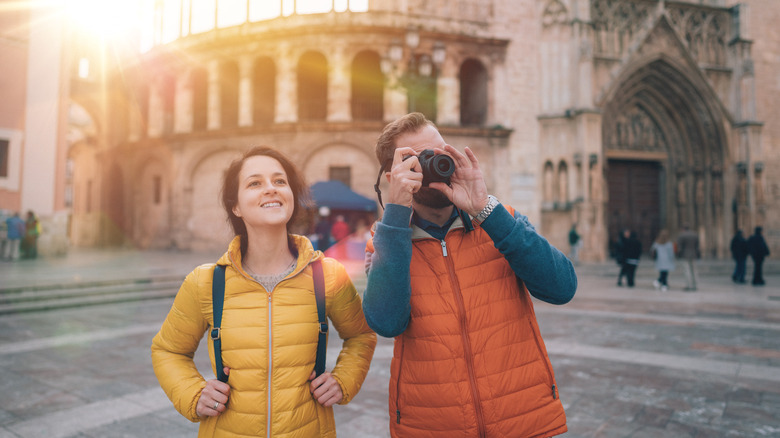
Spain is a country whose charm stays with travelers long after they've left. Packed with amazing architecture, diverse landscapes, and food that justifies the hype, this European destination readily caters to the whims and wanderlust of the intrepid traveler. You can't blame anyone for wanting to book their well-deserved holidays to Spain, but the sheer volume of travelers visiting the country during the summer has prompted the Spanish government to ramp up its efforts in combating overtourism.
If you aren't thrilled about the prospect of shoulder-to-shoulder crowds along the cobblestone streets of Barcelona's Las Ramblas or fighting for sandy real estate on the shores of a Mallorcan playa, booking travel during the shoulder months — around March to May, then September to November — marks the year's sweet spots for a Spanish getaway. "Unlike busy peak seasons, shoulder seasons are periods when places see fewer tourists, yet are not quite as sleepy as the off-season; it's more so the period between the two," travel expert Katy Nastro told Travel + Leisure.
The rewards of traveling outside peak tourist season are tenfold: airfares are lower, hotel accommodations plentiful, and streets blessedly emptied of tourist throngs. You get to observe locals go about their normal routine, a glimpse into the cadence of the city; maybe you'll even get to flex your Spanish conversational skills with them. Most importantly, you get to experience all this under Spain's year-round warm, pleasant weather, which makes it one of Europe's top three sunniest countries for digital nomads and sunshine seekers. Start looking into these five Spanish destinations that thrive once the summer tourists are gone.
Mallorca

When the summer beachgoers pack up their towels and the rowdy parties quiet down, the Mediterranean island of Mallorca is restored to its residents and the handful of travelers eager to discover the island's offerings without the crowds. Winters in Mallorca are rainy and cool, but April marks a turning point as longer, warmer days start to set in.
Restaurants and hotels that went into winter hibernation begin to open back up in early spring, per Go World Travel Magazine. Paired with affordable accommodations, the pleasant weather is ideal for exploring the calmer side of Mallorca. It's the perfect time to hike or bike the roads and paths of the Serra de Tramuntana mountain range, declared a UNESCO World Heritage Site for its sweeping natural landscape that's studded with charming mountain villages; Deià, Valldemossa, or Fornalutx are towns worth exploring.
The beaches remain alluring even after summer ends, with sea temperatures averaging 72 to 77 degrees Fahrenheit in September and October. Devoid of summer crowds, there's simply more space — literally and figuratively — to take in Palma de Mallorca's famous sites like the Gothic cathedral La Seu, contemporary art museum Es Baluard, or the refreshingly empty Old Town streets. Summing up the magic of Mallorca in the shoulder season, a Redditor wrote, "What is absolutely beautiful: The light. Visiting the towns of the tramuntana is kinda magical in the late fall. You really get the feeling that everything slows down and that you get the places for yourself. It's slightly melancholic, but I really liked it."
La Rioja
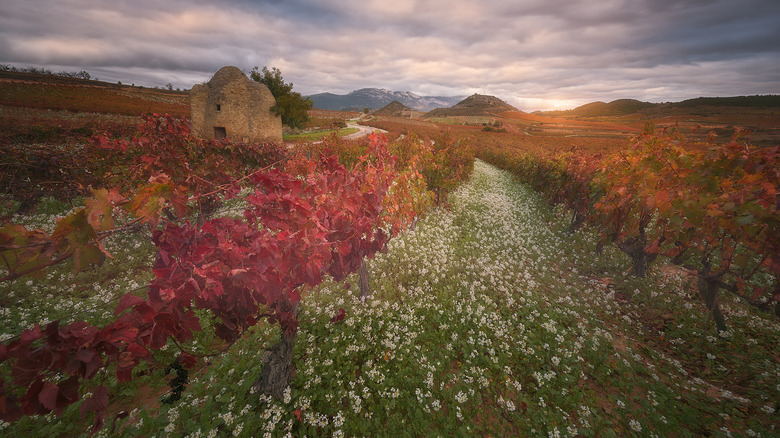
Grape harvests kick off in La Rioja in September as peak season dwindles notes Travels Around Spain, and it is accompanied by the lovely autumnal color palette of red and yellow vineyard leaves, blue skies, and the verdant hues of the Sierra de Cantabria mountain range in the distance. It's a photogenic backdrop to the wine-centric activities that take place in the region, which is home to more than 500 wineries that cultivate the famed Rioja reds.
The weather reaches indulgent temperatures of 68 to 77 degrees Fahrenheit in September and October in some areas, making activities like winery tours, breathtaking viewpoint hikes, and visits to the region's numerous castles and fortresses all the more enjoyable. Make your way to the region's capital city, Logroño, for the Rioja Wine Harvest Festival, where week-long festivities celebrate Saint Matthew's feast and the wine harvest. On the agenda are grape-stomping, street parades, and zurracapote (a sangria-like red wine cocktail) competitions, which culminate in a vat-lighting closing ceremony.
In the springtime, the vineyards come alive with color as the brown vines start sprouting and budding, per Rioja Wine. Drop by the towns of Nalda and Iregua in April to drink in the sights and scents of plum trees in full bloom, marked by the annual Plum Blossom Festival.
Seville
Seasoned traveler Rick Steves refers to this soulful and vibrant southern Spanish city as a 'perpetual fiesta' – but it's hard to keep your cool in Seville in the summer, literally and figuratively. Not only do temperatures hold steady at an average 82 degrees Fahrenheit in July and August (earning it the moniker "the frying pan of Europe"), but you'll be battling it out in the city with throngs of fellow tourists who thought Seville in the summer was a good idea.
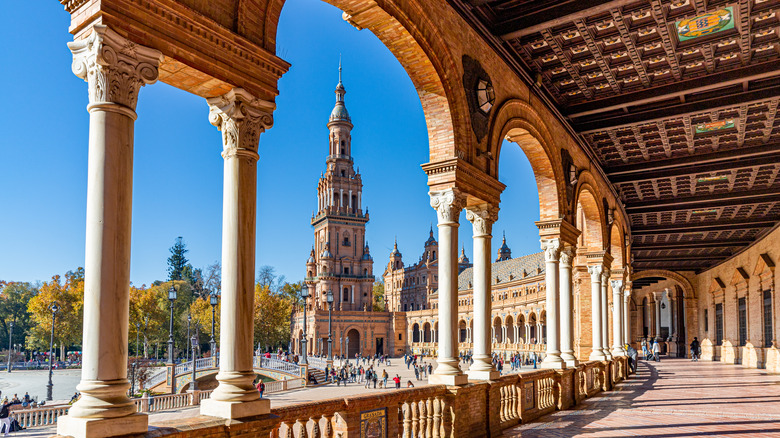
In the late spring and early fall, Seville weather hovers at a balmy 59 to 77 degrees Fahrenheit, neither too warm nor too cold to soak in Seville's must-sees, starting with a trio of World Heritage UNESCO Sites: the Alcázar, the Seville Cathedral, and the General Archive of the Indies. Visiting the majestic Plaza de España or the 16th-century Casa de Pilatos during shoulder season gives travelers enough room to take in the architecture without the crush of tourists and the unrelenting summer sun.
The city thrives in the festival spirit when March and April roll around. Easter Sunday falls roughly a week after the first full moon following the spring equinox, typically between March 22 and April 25. During Semana Santa, expect processions of ornate floats (pasos) from different brotherhoods paraded through the streets and accompanied by marching bands all week, culminating in Easter Sunday celebrations.
Santiago de Compostela
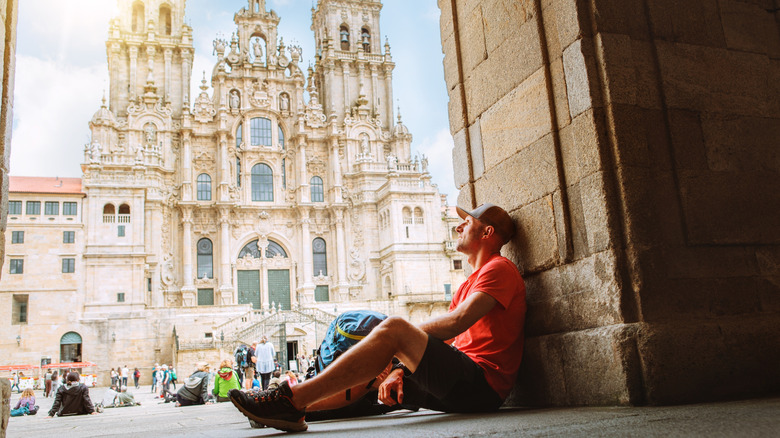
It's hard not to associate Santiago de Compostela with the Camino de Santiago, the famous sacred route walked by pilgrims since the Middle Ages to pay their respects to James the Apostle's relics. The pilgrimage, whose starting point is more than 450 miles away in France's Saint-Jean-Pied-de-Port, ends at Santiago de Compostela's Cathedral. With July and August being the peak months for route walkers, Santiago de Compostela brims with weary pilgrims and the tourists in the summer.
Even though you aren't walking the pilgrimage, Santiago de Compostela is worth a visit. Doing so in the shoulder season rewards you with cool temperatures, albeit rainy and humid at times. Shoulder season brings highs and lows of 72 and 43 degrees Fahrenheit respectively — cool enough to amble around the Old Town, a designated UNESCO World Heritage Site since 1985. There will be more room to drink in the Gothic, Romanesque, and Baroque influences of the Cathedral's architecture, as well as the numerous churches, convents, and squares dotted around town. Fewer tourists also means getting to linger to your heart's content at the Old Town's Mercado de Abastos, a popular food market. Enjoy the array of seafood fresh from the Galician coastline, seasonal fruits and vegetables, and other local specialities like wine or empanadas.
Valencia

There is more to Valencia than paella that lures travelers to Spain's third-largest city. Nestled along the Mediterranean Sea, this sun-drenched city — boasting a yearly average of 300 sunny days — is armed with myriad offerings for foodies, beachgoers, and culture-seekers. Tourists naturally gravitate to Valencia's beaches in the summertime, but if the heat isn't for you, Valencia shines as brightly outside the peak season — and with fewer crowds to boot.
Sea temps can reach 64 degrees Fahrenheit in May and linger at around 66 degrees Fahrenheit in November, acceptable temperatures for brisk dips in the water. Without the crippling summer heat and tourist crowds, Valencia is visibly more relaxing during the shoulder months, allowing travelers to explore the city at a much more leisurely pace. The abundance of green urban spaces, which rightfully earned the city a European Green Capital Award in 2024, make for pleasant strolls; and the flatness of the Old Town's streets make biking around the city a joy.
Climbing the 207 steps of Valencia Cathedral's Miguelete Tower is more bearable in cooler weather; so is dining al fresco in the many restaurants and bars of the L'Eixample or Benimaclet districts. On the hunt for authentic paella? Head 14 miles south to Albufera. Not only is it the city's natural park with a large lagoon and dreamy sunsets, but it's also where paella was invented, as Valencia City's official website proudly declares.