
Overlooking The Mediterranean Is A Coastal Gem Defined By Sandy Beaches And Authentic French Charm
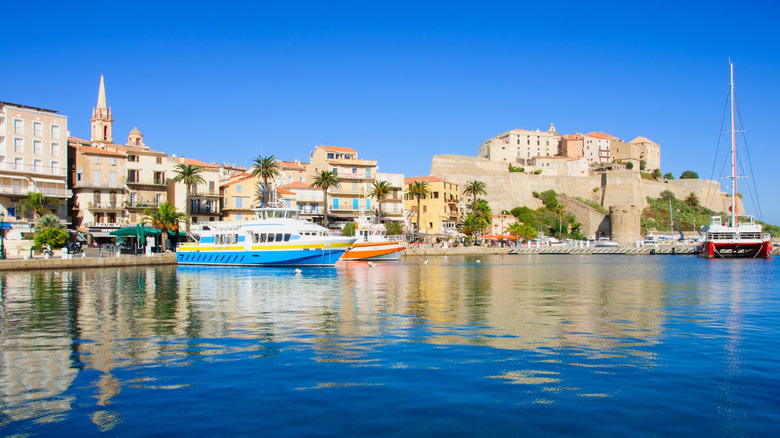
Some people reduce a trip to France to nothing more than luxurious hotels in Paris with Eiffel Tower views. While that's pretty much non-negotiable for first-time visitors, seasoned travelers should expand their itineraries to include the underrated Mediterranean island, Corsica, with sandy beaches and stunning blue waters. One of the most beautiful coastal towns here is Calvi, situated on the northwest shore. Oozing timeless elegance and stealth wealth, this is where the ultra-rich come to escape the spotlight — and if anyone deserves that same lifestyle, it's you. There's plenty of accommodation to choose from (no matter your budget), lunches and dinners are paired with gorgeous vistas, and its historic sites remind you that this paradise has been hiding in plain sight for a long time.
Many powers have fought over taking control of Calvi, with its foundations tracing back to the Neolithic times. Its name, however, comes from the Latin word "Calvus," which translates into "bald" — in this context, it refers to the rocky promontory on which the Citadel of Calvi was constructed. It's also said that this is where Christopher Columbus was born, with a plaque marking the remnants of his home. Even if history wasn't your cup of tea, this charming town will draw you in with its azure beaches.
A gem this sparkling requires a bit of a journey to reach, most likely with two layovers. Flights from New York and Los Angeles will have you landing in Paris, Nice, or Marseille before you arrive in Calvi. Coming from European cities like Milan, Vienna, and Munich is much easier thanks to direct flights. As for lodging, enjoy a waterfront stay at Hotel Il Tramonto, Hotel Revellata, or Hotel Sole Mare. Or, savor the opulence at La Villa Calvi, Hotel La Caravelle, or Hotel Cesario.
Beach views and delicious food abound in Calvi
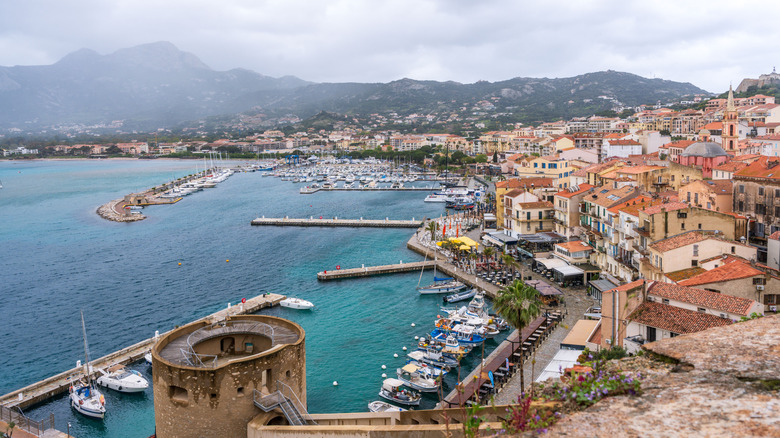
The Mediterranean sun casts a different kind of warmth, and soaking up the rays at Plage de l'Alga is the best way to do it. The lapping waters of the Gulf of Revellata are extra calming as you sink your toes in the sand — the surrounding rugged landscape is ideal for discovering marine life. Grab your snorkel and swim toward the rocky areas to marvel at sea cucumbers, wrasse, red starfish, and sea urchins. Those who want complete isolation can head to Plage Oscelluccia. This beach is quite primitive, with the postcard-perfect headlands protecting the shore. Accessing it is a bit of a hike, meaning you might have the whole place to yourself.
The main city beach is Plage de Calvi, where you can lounge under an umbrella and have a good read in hand with the citadel in the background. This white-sand beach is a prime spot to jet ski and sail, with plenty of restaurants within walking distance. The much quieter Plage du Roncu is a small cove where you can go on underwater adventures — the water here is calm, but the beach has no facilities.
A day spent at the beach will have your stomach growling. When that's the case, make your way to Casa Bella Storia to indulge in delicacies like braised octopus tentacles, fresh sea bass, beef tartare, and lamb chops with white bean puree. A Funtana has an appetizing menu too, with dishes like sirloin steak, truffle tagliatelle, salmon tartare, and smoked swordfish carpaccio. For a beachside vibe, book a table at Le Bout du Monde and order the sesame-crusted tuna, flank steak with thyme sauce, and beef tataki with a salted soy marinade. Other restaurants worth checking out are Les Boucaniers Calvi, Le Comptoir, and Via Marine Le Resto.
Step back in time and visit the historic landmarks
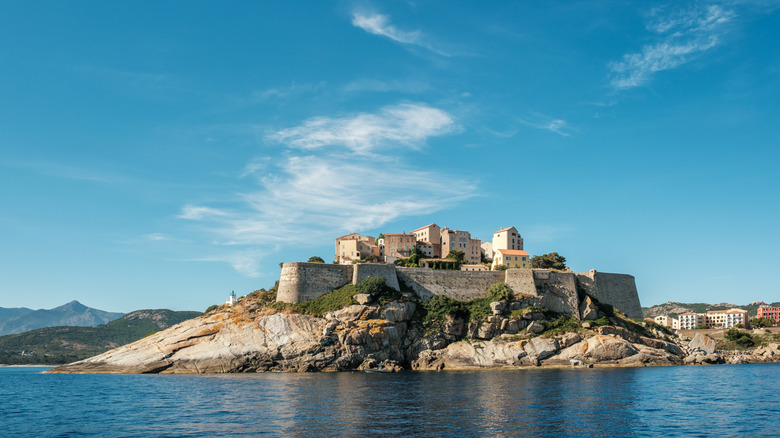
The crown jewel of Calvi is none other than its citadel. An icon of the city, this landmark was built in the 13th century under the Genoese rule. Touring the citadel is a must; the cobblestone streets will lead you to the alleged ruins of Christopher Columbus's dwelling. As you explore the district, you'll come across Saint Anthony's Oratory. The 16th-century place of worship is adorned with frescoes, triptychs, and statues. Your next stop is the Baroque Saint John the Baptist Cathedral, dating back to the 13th century. Inside, the high altar turns heads with its marble composition, as does the 16th-century Virgin of the Rosary statue.
Don't forget to swing by the Calvi Citadel Arts Museum, where you can admire various artworks for free. After wandering around the citadel, head toward the edge for panoramic views of the harbor and beyond. From there, walk to the old town, also known as the lower city, to see more points of interest. One of the first things that draws attention is the Salt Tower. Originally built to ward off attacks, the 15th-century structure was recommissioned as a salt warehouse. The Sainte-Marie Major's Church is a unique site, too — the 18th-century church boasts a pink-and-yellow edifice and a bell tower constructed in Neo-Gothic style.
The Rivellata Gulf is home to a quaint lighthouse, which you can hike to. Follow the out-and-back trail, which runs along the rugged coast. The 7.7-mile hike can take up to four hours to complete, so make sure to pack enough water with you. Eventually, you'll arrive at the Lighthouse of Revellata, watching over the turquoise waters. To keep this Mediterranean adventure going, make Cagliari your next stop — as Sardinia's largest city, expect majestic seaside scenery with unmatched food.