
What Is 'Congestion Pricing' And How It Might Affect Your Next Trip To New York City
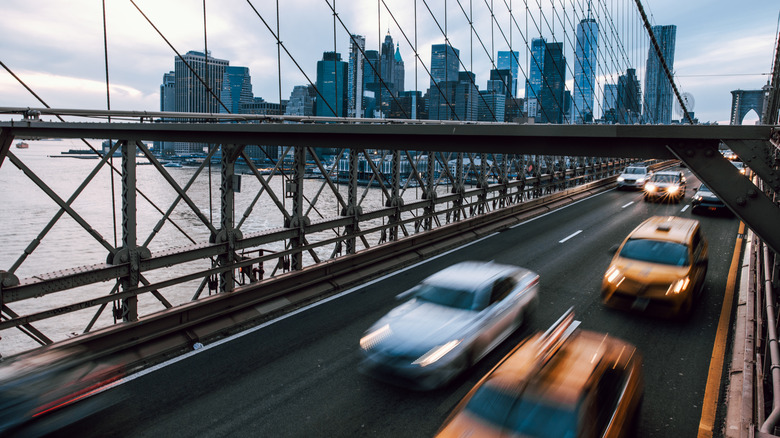
New York City has a traffic problem. That's no surprise to anyone who's been stuck on its gridlocked streets, much less for an unlucky driver searching for elusive free parking. The city's vaunted public transportation system — the largest in North America, known as the Metropolitan Transportation Authority (MTA) — is struggling to transport millions every day with aging equipment.
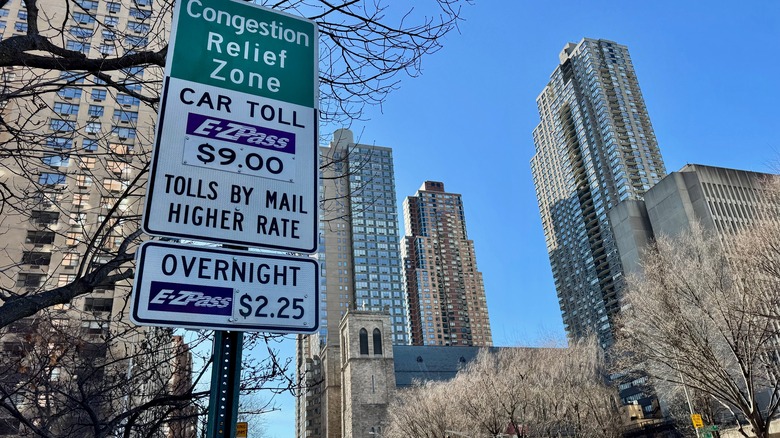
The solution? Congestion pricing, or a fee paid by any car entering the most trafficked area of Manhattan, designated the "Congestion Relief Zone." The goal is to discourage traffic while simultaneously raising a whopping $15 billion in funds to upgrade buses, subways, transit infrastructure, and more. The policy exists in cities like London and Singapore, but had never been implemented in the U.S. — that is, until now. After decades of debate about how and when to implement this charge, New York City's congestion pricing finally went into effect in early 2025. During peak times, drivers entering Manhattan at or below 60th street currently have to pay a $9 fee for every day they enter the congested zone. That fee will steadily increase to $15 by 2031.
How will that impact visitors to the city? For starters, it's a clear incentive not to bring your car, which could make getting around less convenient. On the other hand, supporters of the congestion charge say New York City has already benefitted from fewer traffic jams, less noise pollution, and cleaner air. And there are other, more surprising ways the congestion fee is impacting life in the Big Apple.
Higher fares, less traffic in New York City
Bringing your own car into the Congestion Relief Zone will cost you, but what about hailing a taxi or calling an Uber or a Lyft? Be ready to pay a little more. Taxis will add an extra 75 cents, while ride-hailing apps will charge an additional $1.50 per trip.
Unsurprisingly, the Metropolitan Transportation Authority saw a surge in commuters using its bus and rail service after the congestion pricing went into effect. There were even complaints of overcrowding on the city's already packed subway lines, with unhappy commuters already grumbling about the planned increase in MTA subway fares in 2026. Buses, on the other hand, are practically zipping down the avenues. A study by the Regional Plan Association using data from the Waze traffic app showed a 28% decrease in time lost to traffic jams — and getting back an average of 17 minutes for every hour stuck in traffic is definitely a win. According to a news release from New York Governor Kathy Hochul, there are at least 67,000 fewer cars on the road now.
On the upside, congestion pricing is also creating a livelier street-level economy and cleaner skies in lower Manhattan. According to a report from New York City's Economic Development Council, there has been a direct increase in foot traffic in the area, which has benefitted businesses that rely on commuter crowds. A recent study from Cornell University also showed a 22% reduction in air pollution in the congestion relief zone. But the biggest changes may be yet to come. The city is currently on track to raise $500 million in 2025 to invest in signal upgrades, something that could certainly help these notoriously unreliable subway lines.