
What Airlines Might Have To Pay To Replace A Single Cracked Windshield
Anyone with a car will know of the unexpected costs that make driving a nightmare. A dent here, a flat tire there, maybe even a chipped windshield — nightmare. It always happens at the worst possible time, too, and suddenly your monthly budget is out the window. Now, imagine that cost but significantly more ... on a plane.
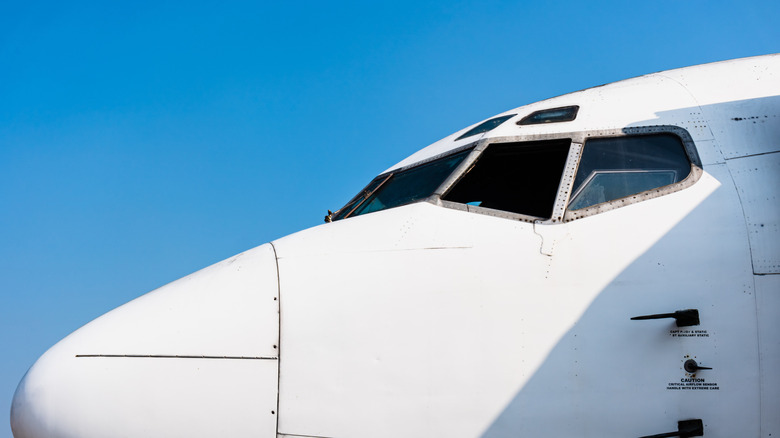
A cracked windshield is probably one of the top things you never want to experience while in the air (closely followed by annoying passengers with the worst in-flight behavior). They are arguably one of the most important parts of a plane, protecting the pilots from the elements (and birds) while also allowing them to navigate us safely to our destinations. So, as you can imagine, a single cracked windscreen might cost the airline tens of thousands of dollars to replace.
Unlike your car, which can often be repaired with a trip to your local mechanic or a call to the mobile window service, an aircraft windshield is a seriously advanced piece of engineering. It has to withstand extreme pressure, rapid temperature changes, and high-speed impacts at thousands of feet, and it's definitely not something you can ignore. But how much does it actually cost to replace? It's a tough number to pin down because part prices are hidden in complex global supply chains, and labor and installation costs are usually absorbed by the airlines' own maintenance departments. Online estimates put the parts cost for a small airliner, like a CRJ or Boeing 737, to be around $30,000.
How much it costs to replace a plane windshield
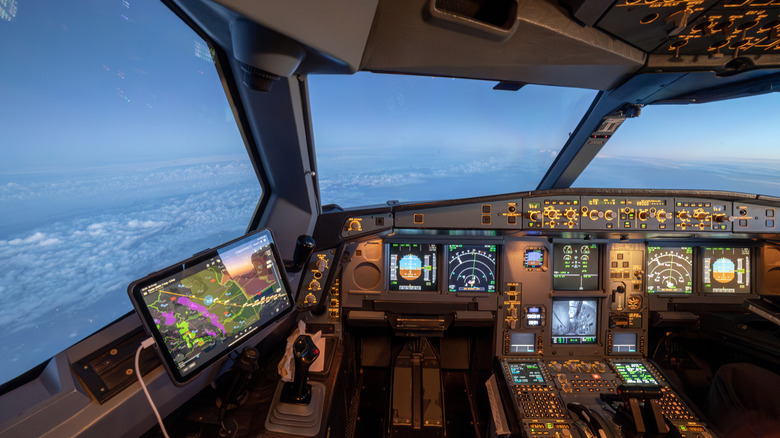
While getting a specific number may be difficult, one thing is clear: Anything related to plane maintenance is expensive, from surprising costs like flying an empty plane to de-icing on a cold day. According to The Points Guy, a Boeing 737 windscreen can cost $26,000. Plane enthusiasts on Reddit suggested that a single piece of a regional jet windscreen could cost $36,000. But both of these estimates are years old and don't include labor, so costs would be higher. Another thing to realize is that plane windows continue to get more advanced — and therefore more expensive.
There are several reasons for the huge price tag. One is the construction of the windshields, which is pretty complicated. According to Engineer Fix, plane windshields are layered, often with glass and acrylic layers totaling more than an inch thick, protective coatings for visibility, and even heating elements to prevent ice buildup. Each layer must be installed perfectly; even a minor mistake can compromise safety. Everything from the design and parts to the mechanics and installation method are checked and certified by the Federal Aviation Administration (FAA) to ensure they meet safety standards, all of which adds to the final cost. Airlines themselves must follow strict protocols, inspections, and approvals set by the FAA before a plane can return to service (so the nervous fliers among us can rest assured that it's safe).
Compared to a car windshield, which might set you back a few hundred dollars, an airplane windshield is a reminder of how expensive and regulated flying is. Even what might seem like a small maintenance issue can actually cost huge figures. So, next time a rogue stone hits your car windshield, you can take some comfort in knowing it won't cost tens of thousands of dollars to repair.