
5 Charming American Tourist Cities With Safe, Free-To-Ride Public Transportation

Let's face it: Inflation is escalating, and it has risen 2.7% since November 2025 (via the U.S. Bureau of Labor Statistics). This data negatively impacts not only residential living but also tourism. With skyrocketing prices across the country, it can be hard to find the perfect destination for travel. Accommodations, restaurants, attractions — everything is becoming more expensive by the minute. However, there is one thing you can save on and not even have to take your wallet out for: transportation. In select U.S. cities, well-maintained public transit systems are not only fare-free but also actively monitored for rider safety.
Free public transit can make a major difference for travelers who are looking to visit more places without sacrificing what they really want to do. It can even cut daily costs in half. According to Budget Your Trip, the average traveler spends around $46 for local transportation a day. When I traveled to New York City, the ride share from the airport to my Airbnb cost me around $30 for one trip (which is also why you should choose the right NYC airport).
While New York is not on this list, there are iconic hubs and hidden gems that did make our top five. Whether you love big-city energy or small-town charm, these destinations span the country from the West Coast to the East Coast – and each one offers free transit systems.
Miami, Florida
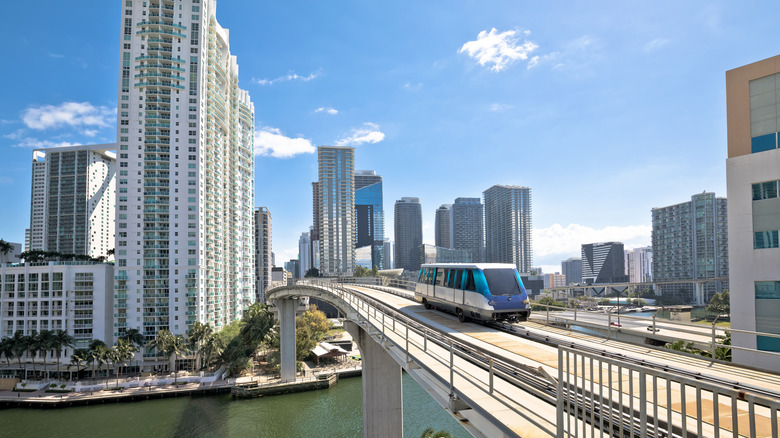
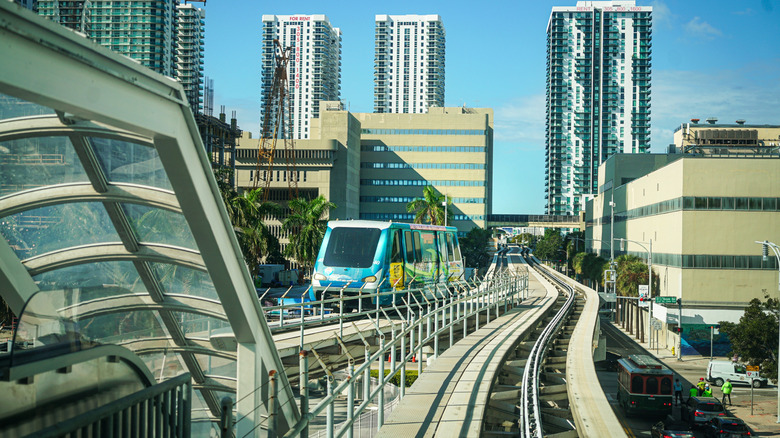
Caribbean National Weekly reported that sunny Miami, Florida, saw 28.2 million visitors between July 2024 and June 2025, generating over $21.3 billion in visitor spending. A large chunk of this amount includes local transportation within the city; however, if there is one secret hack to getting around Miami, it's the Metromover. This free tram system has 21 stops, gliding above the streets of the Magic City, providing gorgeous skyline views at eye level. It connects to government centers, the Riverwalk, and Brickell — one of America's friendliest neighborhoods.
Safety on the Metromover has been a public focus in recent years. Following a series of violent incidents in 2020, Miami-Dade officials increased police presence, installed additional security cameras, and implemented more frequent patrols throughout the system (via NBC Miami). Recent rider feedback shared on Tripadvisor had many locals and visitors reporting feeling safe during daytime and early evening hours, especially in high-traffic areas like Downtown.
As with most major cities, riders recommend staying alert at night and traveling during busier hours when possible. No matter what you're visiting Miami for — its sparkling beaches or incredible nightlife scene — the Metromover remains a convenient and widely used option for getting around Miami without added transportation costs.
Fayetteville, Arkansas
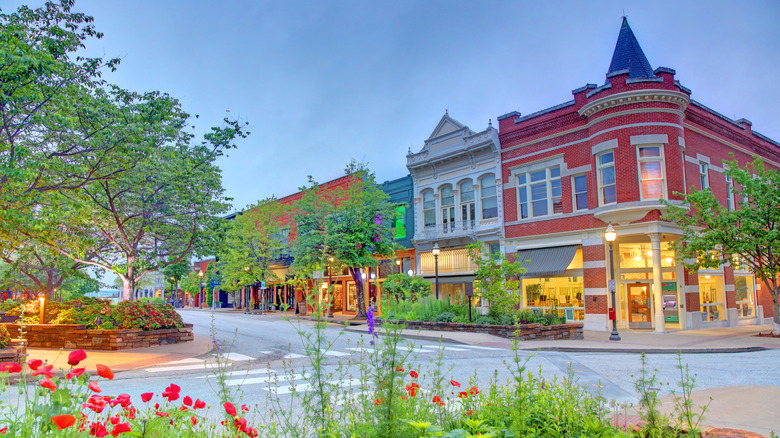
Fayetteville, Arkansas, is a quiet, small town that rests along the breathtaking Ozark Mountains. Tourists visit for its natural landscapes, enjoying its lakes, rivers, and miles of biking and hiking trails that wind through stunning mountain views. Others come to pursue a college degree at the University of Arkansas, home of the Razorbacks. The city's public transportation system, Razorback Transit, is operated by the university and is open to everyone. From the historic downtown square to the entertainment district on Dickson Street, multiple routes connect key neighborhoods, attractions, and the university campus. The best part: Visitors can hop on any route at no cost.
Razorback Transit is generally considered safe by both residents and students, with clearly marked routes, regular schedules, and a campus-operated system that prioritizes rider oversight. While service does not operate on home football game days or any official University of Arkansas holidays, visitors staying near downtown or campus can rely on it for daytime travel. Fayetteville is a smaller, low-crime city overall (via DoorProfit). In fact, some people love the bus so much that they ride on it just for fun!
Hoboken, New Jersey
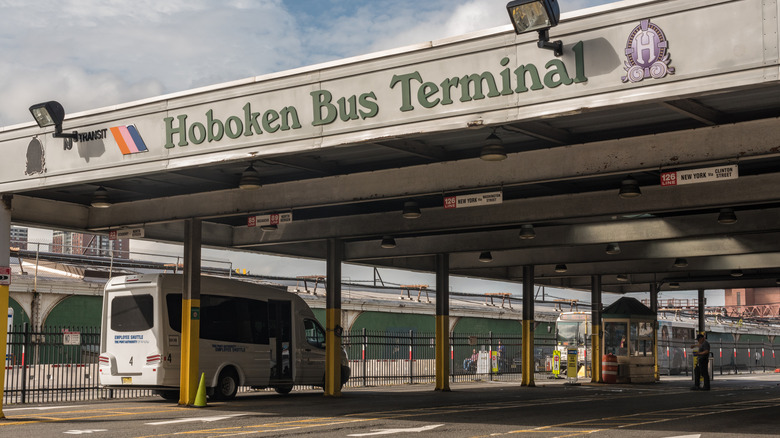
In the Northeast, visitors flock to Hoboken, New Jersey, to see the birthplace of Frank Sinatra or grab a treat from Carlo's Bakery. Despite its charm, traffic in the Mile Square City can be overwhelming. To ease congestion, Hoboken introduced the The Hop — a free, ADA-accessible shuttle bus connecting Southwest Hoboken, Midtown Bloomfield, and Uptown neighborhoods. Riders can track buses in real time using the PassioGo app.
Residents on Reddit describe the Hop Bus as reliable and convenient for everyday use, particularly for commuters and seniors. While there is limited standalone crime data specific to the Hop Bus, the system operates within one of New Jersey's safer small cities and is overseen by local transportation authorities. Riders note occasional delays during rush hour but consistently cite the bus as an essential service. As with walking in town, locals on Reddit recommend staying aware near Jackson and Harrison Streets, though Hoboken as a whole maintains a reputation for being calm – with a crime rate below the national average in 2025 (via Neighborhood Scout).
Commerce, California
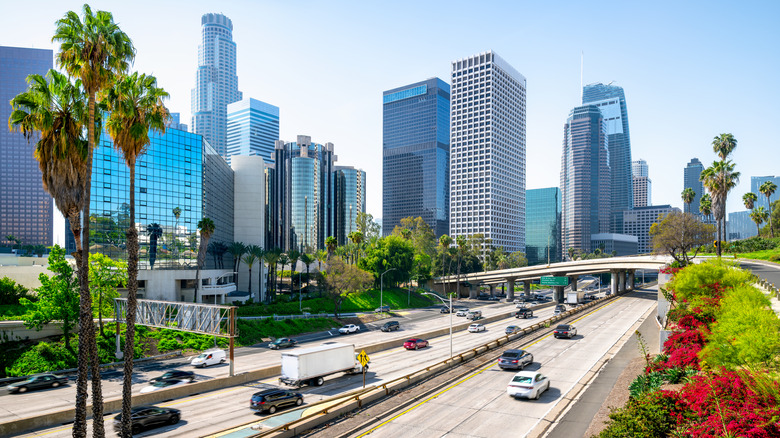
Commerce, California, may not be the first place that comes to mind when planning a Southern California trip, but this laid-back city, just 20 minutes outside East LA, offers a major perk: free public transit. The city's 600 Line bus provides fare-free service connecting residential areas, the Citadel Outlets, and routes into downtown Los Angeles, making it a wallet-friendly base for exploring the region.
Riding the fare-free bus also means you can explore without worrying about parking or traffic, which can be a headache in LA — especially if you just want to get around town to see celebrity hotspots. According to one local on Reddit, the area around the 600 Line is considered safe. The line also has consistent schedules.
While public feedback is limited, the city of Commerce does have a public safety division to help keep the city safe. As with much of greater Los Angeles, safety largely depends on time of day and traffic conditions rather than the bus service itself. Travelers should plan buffer time, as traffic can easily extend what appears to be a short commute.
Bozeman, Montana
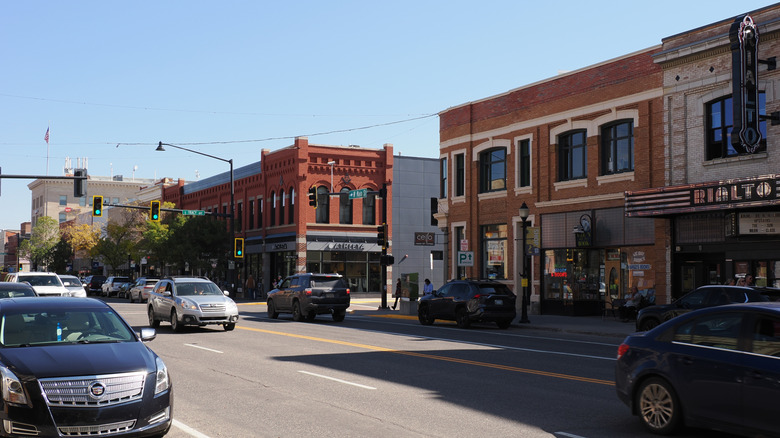
Bozeman, Montana, is known for its proximity to Yellowstone National Park, Big Sky, and miles of mountain trails. Though small, the town has become increasingly expensive as tourism continues to grow — with more than 4 million visitors in 2024 (via KBZK Bozeman). To offset costs, travelers can take advantage of the Streamline Bus, a fare-free system serving downtown, Montana State University, shopping centers, and popular recreation areas. The bus lines operate seven days a week, from early morning to late at night.
Some locals on Reddit describe the Streamline as a well-managed transit option, with regular routes, visible drivers, and strong community usage. Bozeman has seen a slight uptick in crime since 2024, but the city remains one of Montana's safest (via NBC Montana). While some riders mention that certain stops may require additional walking, students and residents alike praise the service for reducing the need for parking and car travel. Overall, Streamline offers Bozeman the benefits of a larger city's transit system while maintaining the safety and ease of a small-town environment.
Methodology
In order to find the top charming American cities with both fare-free and safety-conscious transportation systems, we started with a list created by Yahoo! Finance. This list provided us with 40 cities, so we had to narrow it down to those we felt gave our readers complexity and range in vacation options.
Miami was our first pick because, not only is it one of the more well-known and most-visited cities in the U.S., but it has a really expensive reputation. With this in mind, providing our readers with the knowledge of a free shuttle service was a no-brainer. Next, we wanted to find small towns with major attractions, like Bozeman or Fayetteville, as well as charming towns close to major metropolises, like Commerce or Hoboken. Each transportation system was verified through official city or transit authority websites to confirm fare-free status, route connectivity, and service hours.
To assess safety, we reviewed public rider feedback from Reddit threads, community forums, and local discussions, focusing on firsthand experiences and recurring themes. Where direct rider commentary was limited, we examined citywide safety reputations, visible security measures, and the longevity of the transit systems themselves.