
The 'Oyster Capital Of The East Coast' Is A Scenic State With Unmatched Seafood Restaurants
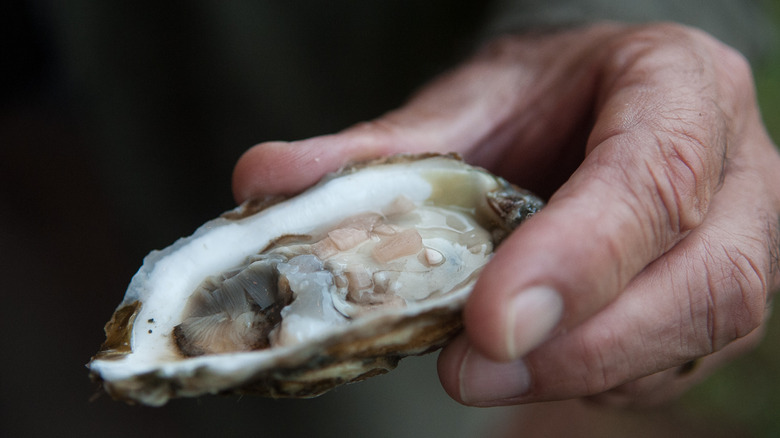
Maine has its lobsters, Maryland's known for crabs, but Virginia is for lovers of oysters, plucked cold and gleaming from the cold tidal waters and rushing river currents of the Eastern seaboard. The Rappahannock River, the Chesapeake Bay, and the Atlantic Ocean are breeding grounds for excellent bivalves, creating eight distinct regions that serve noteworthy oyster variants, making the Commonwealth the best place for oysters on the East Coast, bar none. Though all Virginian oysters derive from the same species, each has slightly different flavor depending on where they're harvested, resulting in different levels of creaminess, sweetness, and brininess. This diverse merroir, or regional waters-specific taste (think: wine's terroir), is what gives Virginia such an edge, and what makes the region so appealing to oyster-eaters, no matter what their particular tastes. Oysters aren't the only seafood you'll find in Virginia's waters: The state leads the U.S. in clam production, and harvests blue crabs, striped bass, flounder, and sea scallops, among others. As such, it's home to numerous restaurants serving the finest seafare, from coastal Virginia Beach to the riverside capital Richmond, to inland Charlottesville.
Virginia is one of the oldest and largest U.S. producers of seafood and shellfish, selling 40 million oysters annually since 2016. Virginia fishers and harvesters have long provided for the entire country, but have faced overfishing, overharvesting, and population damage from human industry. Since the 2000s, producers have rallied to conserve the shellfishing industries, ensuring Virginia remains the East Coast's oyster capital and a scenic destination for lovers and slurpers alike.
The Commonwealth's also a scenic gem. From vibrant, artsy Blue Ridge Mountain towns like Waynesboro, to historic Tappahannock, one of Virginia's oldest waterfront towns, you'll find gorgeous views to pair with the country's freshest sea fare.
What makes Virginia's oysters unique?
You never forget your first — Rappahannock, that is. A Rappahannock oyster is one of several Virginia signatures: This one's plump and silky, slick with brine, and buttery. Named for an Algonquin phrase meaning "place where the water comes back," it draws from the river's journey into the Chesapeake Bay, where fresh water meets salt to create a sweetly crisp, full-bodied bite. The Rochambeau, or Goldilocks oyster, harvested from the York River's mouth, offers brinier yet still balanced bites. Both grow within the Commonwealth's eight officially recognized oyster-growing regions, and there are dozens more varietals with dramatic flavor range.
Virginia sits between the Atlantic Ocean and a "river realm" formed by the Rappahannock, York, and James – all of which flow into the Chesapeake Bay, North America's largest estuary. The Bay's shallow waters create ideal conditions for vegetation and oysters to thrive. Oysters naturally filter water, removing harmful pollutants like phosphorus and nitrogen while stabilizing sediment and controlling algae, processes that support healthier ecosystems and diverse aquatic life. Atlantic Coast oysters from the Seaside region tend to be bold and briny with a buttery finish, whereas river-Bay oysters like Rappahannocks trend sweeter and creamier on the Western Shore, and retain more salinity on the Eastern Shore. Northern Bay oysters strike a clean, salty-sweet balance, while Tidewater and Tangier Sound oysters finish smooth and rich. This range from sharp and mineral to soft and buttery is rare in one region, and makes Virginia seafood distinctive.
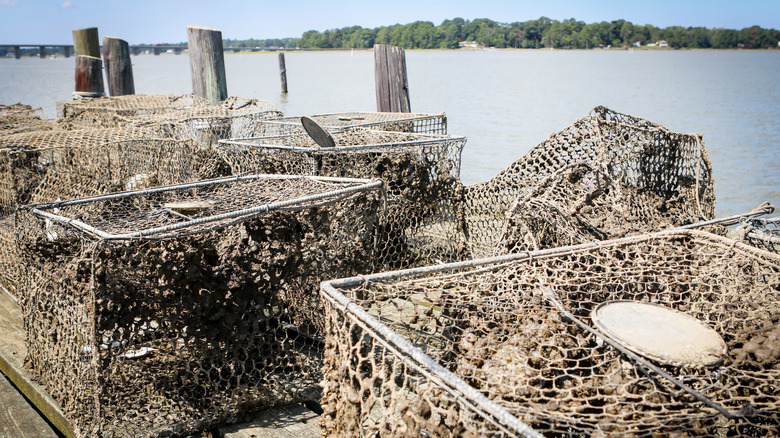
After oysters declined dramatically in the 20th century thanks to overfishing and pollution, many Virginia producers turned to aquaculture, seeding and raising oysters. The state has embraced the revival: In 2014, Virginia officially declared November Oyster Month, now celebrated annually by businesses and restaurants across the Commonwealth.
How to experience Virginia's seafood -- especially the oysters
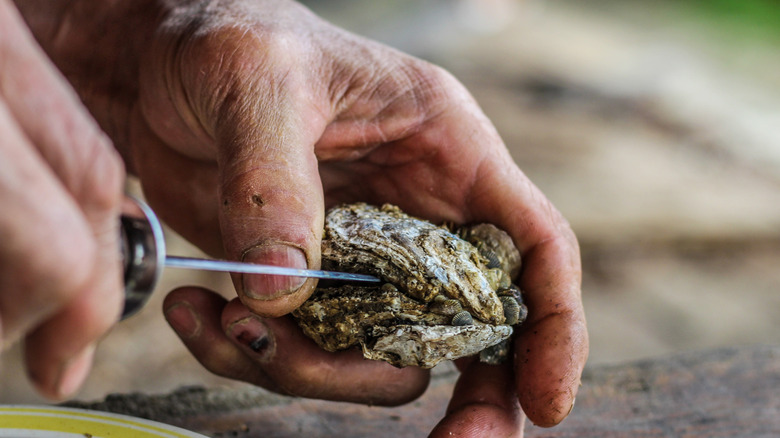
Oysters are available year-round in Virginia thanks to modern refrigeration and shipping. But Fall is their prime time, and the very best month to eat them is November, when the colder water temperatures firm up the meat, creating a plumper, more flavorful bite. An excellent place to try the best Virginia oysters — is Rappahannock Restaurant, run by Rappahannock Oyster Co., one of Virginia's foremost oyster harvesters and a provider to Le Bernardin. The company operates farm-to-table restaurants in Topping – Merroir, which sits scenically on the Rappahannock River — and in Richmond, the Commonwealth's capital with historic neighborhoods paved in cobblestone. They also have locations in Los Angeles, Washington, D.C., and South Carolina.
Head to Tappanhannock's 1710 Tavern, the town's oldest building and one of Virginia's oldest pubs, serving She Crab Soup alongside fried oysters and other classics while boasting a 4.8 Google rating out of over 100 reviews. For something casual, To-Do Cafe is a local favorite for shrimp po'boys, fried catfish, crab cakes, and homemade pie. Over in Virginia Beach, Google's highest-rated seafood restaurant — with roughly 950 reviews and 4.8 stars — is Blue Seafood and Spirits for fresh, locally sourced seafood from scallops to crab cakes and house-made bread pudding.
Virginia's seafood scene is, unsurprisingly, shaped by its waterways. But great seafood isn't limited to the waterfronts. Charlottesville's Public Fish and Oyster House is beloved for Virginian and Eastern seaboard oysters, plus seafood towers and more. True oyster aficionados can also embark on a scenic oyster crawl within the Commonwealth, taste-testing the region's variants paired with local wines, cozy overnight stays, and historic detours along the way. From the Bay to the riverbeds, Virginia's seafood delivers an experience unmatched elsewhere.