
Situated Between Indy And Bloomington Is Indiana's Overlooked Forest With Scenic Lakes, Camping, And Trails
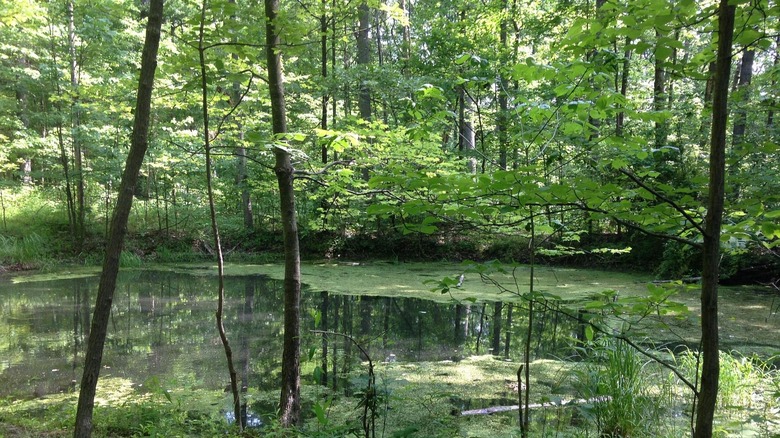
Most nature lovers have their sights set on Maine for forest getaways, since 89.06% of the state is covered with greenery. This isn't to say you shouldn't explore other states — Indiana, for instance, has only 21.27% of forested lands, but the verdant spaces you'll find here offer peace and quiet unlike any other place. One of these destinations is the overlooked Morgan-Monroe State Forest. While others head to the larger, 204,000-acre Hoosier National Forest or Clark State Forest (the oldest of its kind in Indiana), the 24,515-acre Morgan-Monroe remains a hidden gem. This state forest is home to three scenic lakes — Cherry, Prather, and Bryant Creek — boasting boating and fishing opportunities. With nine hiking trails snaking through valleys, ridges, and woodlands, you get to embark on adventures both on land and water. When night falls, you can also pitch your tent.
The area that is now Morgan-Monroe State Forest was first taken over by settlers who wanted to establish farmland. Due to the ground's rocky nature, their efforts were in vain, and they deserted the area. After the state obtained the land, the forest was founded in 1929. Since then, outdoor enthusiasts have been retreating here for camping, hiking, biking, picnicking, and lakefront fun — hunting is also allowed in the forest, along with panning for gold.
The best time to visit Morgan-Monroe State Forest is during the fall for vibrant foliage and the spring for wildflowers and comfortable hiking temperatures. Summertime is great, too, while winters can get pretty cold, but still manageable. All you have to do is get in your car and drive south for an hour from Indianapolis to arrive at the state forest. Bloomington, a breathtaking student city with renowned wineries, diverse dining, and outdoor pastimes, is even closer at just a 30-minute drive.
Camping and lodging around Morgan-Monroe State Forest, Indiana
Morgan-Monroe State Forest offers both traditional camping facilities and cabin stays. Mason Ridge Campground, operating throughout the year, has 19 sites, each with a picnic table and barbecue grill. The campground is primitive, with access to only vault toilets and potable water (usually available from March to October). Oak Ridge Campground serves as an additional space from April to December when weekends get packed, providing 10 more spots with similar amenities.
You can also go backcountry camping for three nights, as long as you mention to the State Forest Office which zone you plan on making your base — the maximum number of campers per group is six people. Depending on the season, you can make a small campfire in the forest, but do use a camping stove when cooking your meals. Youth groups, on the other hand, can book the six sites at Scout Ridge Youth Tent Campground.
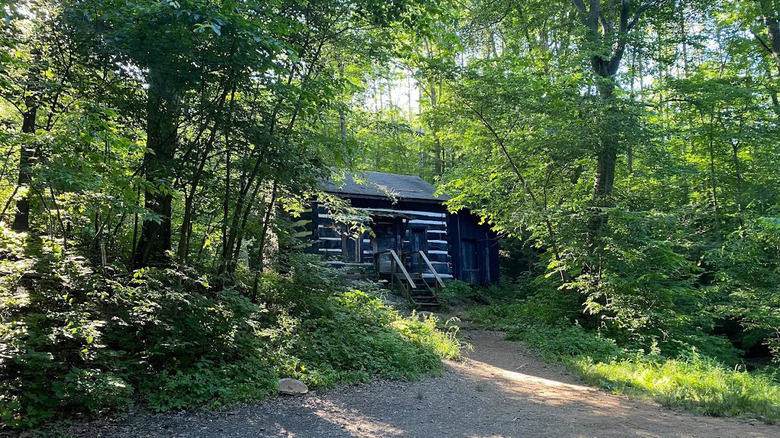
Those who prefer a more stable shelter can rent the rustic Draper Cabin, which accommodates up to 14 guests. The 130-year-old log cabin isn't furnished with beds or furniture — everything is up to you to bring, with only a vault toilet outside and a fireplace inside. If the Draper Cabin is still too rural for your taste, the modern Cherry Lake Lodge offers a comfortable stay. Holding up to six guests, the former duty station comes with two bedrooms and a sofa bed — no need to bring linens. The lodge is equipped with two bathrooms, hot water, a kitchen, and a dining room. Guests can keep themselves warm by the fireplace, then take in the forest views and spot wildlife from the back porch. Note that the lodge isn't pet-friendly.
Explore Morgan-Monroe State Forest's lakefront and trails
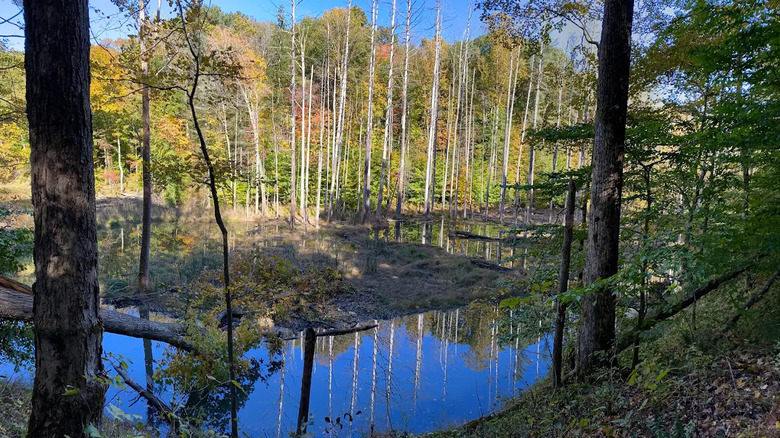
Visitors can enjoy three different scenic lakes at Morgan-Monroe State Forest. Fun fact: there was a fourth lake, too, Beanblossom, which sadly emptied in 1993. Bryant Creek Lake is the largest of the three, a peaceful nine-acre stretch of water framed by dense hardwood forest and calm, reflective shorelines. Cherry and Prather Lakes, both four acres in size, offer a more secluded experience, with wooded surroundings and vibrant seasonal color. Boaters can launch their vessels into the water to glide from one bank to another, provided their watercraft only has an electric trolling motor. With your fishing license secured, you can reel in northern pike, catfish, largemouth bass, muskie, and more.
Hikers have several paths to explore, from short and easy trails to long treks. The Mason Ridge Trail is a 2.8-mile loop that guides you to the forest floor, teeming with towering trees, colorful wildflowers, unique fungi, and lush ferns. For ravine views and creekside hikes, follow the Rock Shelter via Low Gap Trail. Stretching for 3.1 miles, this loop takes you to a cave-like rock formation that can shield you from rainy days. You can also combine the two trails for a 6.4-mile journey.
If you're thinking of tackling the Low Gap Trail, expect to complete it within five hours. The 10.2-mile path climbs up to 1,204 feet, exposing you to backcountry vistas. The 9.6-mile Three Lakes Trail is pretty self-explanatory, while the Morgan Monroe Hike Bike Trail is best experienced on a mountain bike. Spanning 9.6 miles, the out-and-back route makes for a smooth ride — even wintertime visitors can hike the trail. What's more, Morgan-Monroe is located only 30 minutes from another wildly underrated forest, Yellowwood State Forest, known for its natural beauty minus the crowds.