
Rick Steves' Protege Shares Three Major Challenges When Traveling Europe In 2026

Not too long ago, planning a trip for the ultimate European summer was all the rage — TikTok users even fueled a trending hashtag, #eurosummer, that's garnered roughly 500,000 posts as of this writing, glamorizing their sparkling itineraries. Additionally, the European Travel Commission (ETC) reported a higher demand for off-season travel and an increase in international tourist arrivals from 2024 to 2025. With these trends, travel writer Rick Steves' protégé, Cameron Hewitt, says in a video that Americans will face three major challenges during their European adventure in 2026: higher prices, larger crowds, and extreme weather.
While Hewitt says these three pillars are something we've been dealing with since COVID-19, they may be especially impacting U.S. residents. Based on a study conducted in 2025 showing an 8% decrease in U.S. travelers from 2024 to 2025, the ETC reported that the main factor is cost. In fact, the American dollar has declined by more than 10% since President Donald Trump took office, which means there's now a steep currency conversion rate. Hewitt also personally reports that prices at Budapest attractions he visited two years ago have risen 25% to 30% due to higher demand. Personally, as an American who lives in Barcelona, I can attest that the decline of the U.S. dollar has made European prices shockingly close to what you'd find in major U.S. cities.
Budgeting is key, as you want to avoid resting in unexpectedly small hotel rooms all day – which leads to the next hurdle: navigating overcrowded streets. Iconic cities like Paris, Rome, and Barcelona perhaps see the worst of it, which doesn't help when Europe's summers have gotten hotter, forcing some attractions to shut down from the heat waves. With streets packed like sardines and summer temperatures soaring, sightseeing can quickly become exhausting.
Overcrowded city streets and the impact of overtourism
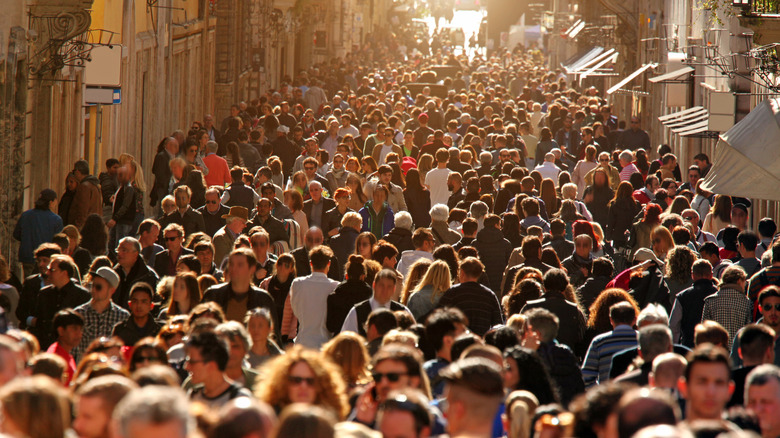
I've been living in Barcelona for nearly a year now, and walking through the city center is like performing the "Cha-Cha Slide" around tourists who are new to town. While that might sound humorous, the dramatic uptick in tourism has far outweighed the number of residents that actually live in many popular European cities. According to the European Travel Information and Authorisation System (ETIAS), France saw 100 million visitors in 2024, surpassing its 66 million citizens. Spain welcomed 94 million visitors, which is nearly double its 49 million residents, and Greece had four times as many visitors as residents. And more people means longer lines, fewer places to eat, and packed transportation systems.
Overcrowded streets have also had a negative impact on residents. Cameron Hewitt relates the issue to simple daily tasks, like commuting to work on public transport, which could become complicated when there are too many people. In the last few years, locals in countries like Portugal, Spain, and Italy have demonstrated anti-tourism protests. Hewitt emphasizes that these protests aren't truly against tourists; rather, they're a call for stronger government policies to support sustainable tourism. Having lived here through every season, I can say the protests aren't as threatening as the media suggests, but the crowds in peak season are relentless.
Hewitt assures that Europeans welcome tourists, but "the right kind of tourist" — someone who understands the issues, respects local culture, and engages with the community. He also suggests visiting less-popular destinations or exploring popular sites during their off-season to help alleviate overtourism. Just keep in mind that some locations have an off-season for a reason, usually because of the weather.
Unbeatable heat waves and weather conditions you want to avoid
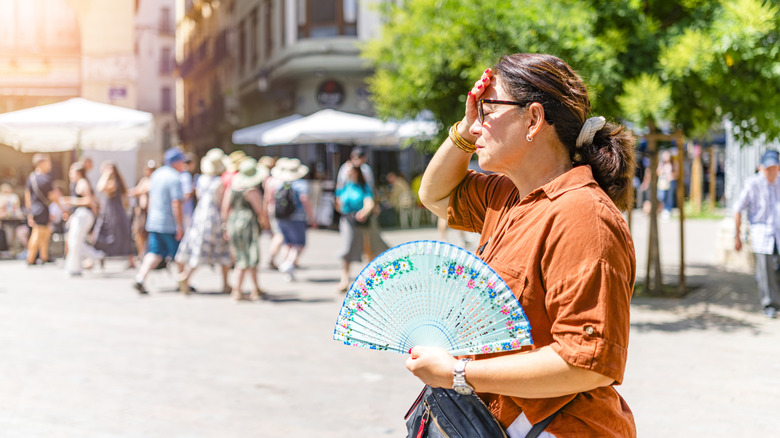
The last three European summers have been the three hottest summers on record in the continent, according to Cameron Hewitt. In Greece, temperatures reached as high as 114 degrees Fahrenheit, and Paris also rose above 100, shutting down the Eiffel Tower on July 1, 2025. To put it simply: It is brutal.
One stark difference between the U.S. and Europe is its position on air conditioning. Rick Steves has previously explained Europe's philosophy around AC, saying it's simply for "taking the edge off" — a sentiment backed by Hewitt. While that might be true, as an American expat, it's definitely an adjustment for many U.S. citizens who aren't used to the intensity — especially when many attractions are outside or have an outdoor commute. Hewitt recommends traveling to cooler countries in hotter months, like Norway in August.
Aside from the heat, Europe can have sudden, unpredictable weather. Hewitt, for example, once stayed near Germany's Moselle River and learned from his host that he had narrowly missed flooding by just a week — and this isn't unique to Germany. In Venice, locals experience annual seasonal flooding between October and early March, called acqua alta (high water), where you'll need knee-high waterproof shoes to get around. Between soaring costs, crowded streets, and extreme weather, European travel can be taxing, but Hewitt's conversations with locals and the deeper meaning behind the protests remind us that tourism remains essential for Europe's cities, communities, and heritage.