
Santa Cruz's 5 Best Spots To See Baby Sea Otters In The Spring
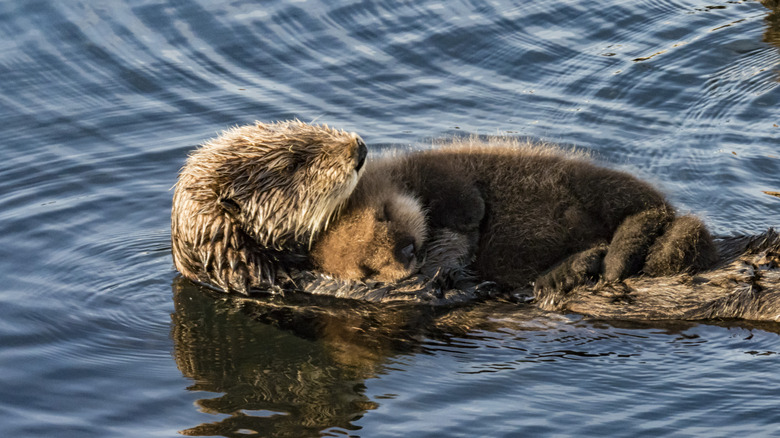
Once a year, Santa Cruz, California, welcomes a brand new batch of baby sea otters born in the deep blue waters of the Monterey Bay. Although sea otter moms can have babies anytime of year, the largest batch of pups is born between late winter and early spring. Santa Cruz's cliffs and developments along the ocean's edge make prime spots for otter spotting, but some places are better than others (and hard to find on your own).
These recommendations are based on my experiences as a Santa Cruz local (born and raised). However, I can't share these special places in good conscience without reminding otter spotters to respect these amazing animals. Hunted nearly to extinction for their thick pelts, California's sea otter population has increased to 3,000, but these playful critters are still classified as endangered. As made famous by Santa Cruz's surfboard-stealing Otter 841, even seemingly harmless human interaction can significantly impact otter behavior and survival.
"Human-caused disturbances are alarming and could be fatal to the sea otters if the disturbance causes them to over-expend energy, especially mothers who need energy reserves to have the strength and stamina to feed and raise their young pups," cautioned Gena Bentall, the director of Sea Otter Savvy, in a statement to the U.S. Fish & Wildlife Service. The agency asks people to remain at least 60 feet away from sea otters, but you should give mothers and babies even more space. For the best viewing experience, bring binoculars and plan your trip early in the morning.
West Cliff Drive
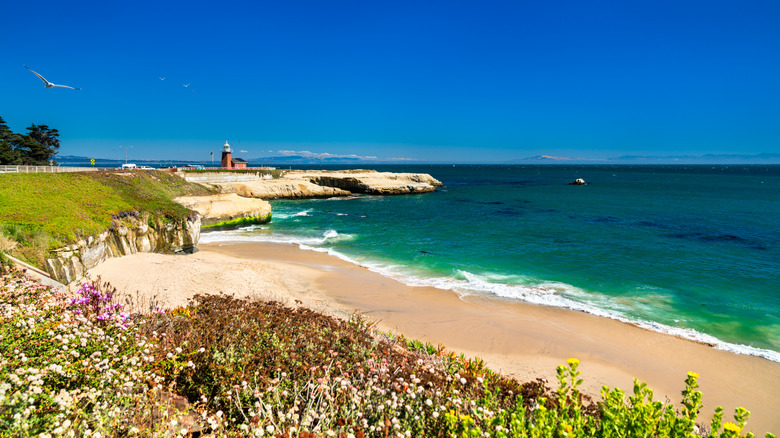
If you have a short time in Santa Cruz, West Cliff Drive is the best place to look for baby otters and their moms. This coastal road winds over weathered cliffs that look like they're about to fall into the sea, showcasing dramatic waves or slightly rippled waters depending on the ocean's mood. Sea otters hunt for crabs, sea urchins, and other delicacies in the kelp forests just offshore, wrapping themselves in the kelp's blades to keep from drifting as they rest. Occasionally, if you listen carefully and the waves aren't too loud, you can even hear the thud of their tiny, rock-wielding paws smashing open shellfish.
West Cliff Drive starts approximately from the entrance to the Santa Cruz Wharf and ends at a parking lot overlooking Natural Bridges State Park. I made this simple map to help you visualize West Cliff Drive from start to finish. It will take you about an hour to walk all 3 miles, but you can also break your stroll into chunks by leaving your car at any of the parking nooks — they're too small to be real parking lots — along West Cliff.
As you walk from the wharf, you'll pass vista points overlooking Cowell's Beach Cove. Although the otters usually don't come too close to shore, you'll see them floating in the cove's calm waters. Also, keep an eye out for otters and their babies floating in the kelp forests outside the break at Steamer Lane and further along the coast.
East Cliff Drive
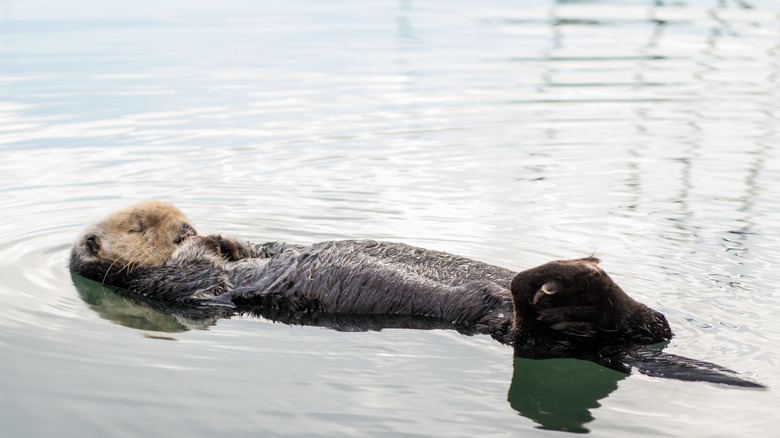
Another area resident suggests looking for otters along East Cliff Drive — a great recommendation. "Many of them live in the kelp beds out from the point. Anywhere the kelp bed is close to shore should give you a chance," per an r/santacruz comment thread. In this case, "the point" refers to Pleasure Point, a casual beach district in Santa Cruz and a world-renowned surf spot accessible from East Cliff Drive.
Featuring a walking path overlooking the ocean, this half-mile stretch of road leads from the Pleasure Point Park area all the way to Hook County Park, at the end of 41st Avenue. It's usually easier to park at Hook County Park and then walk towards Pleasure Point Park, but you can do it the other way around. As you stroll, stop at benches nestled in the ice plants or simply keep your eyes on the clumps of dark green-brown kelp undulating right below the ocean's surface.
Once you find a kelp bed near enough to see, follow The Whale Trail's otter guidance: "You might see them resting on their backs, snacking on fish or shellfish. Look closely, and you might see a baby resting on its mother's stomach while she floats, or tucked into a kelp bed while she hunts." Otter pups weigh between three and five pounds at birth, so they're much harder to spot than their parents, which can weigh up to 100 pounds.
The Santa Cruz Harbor
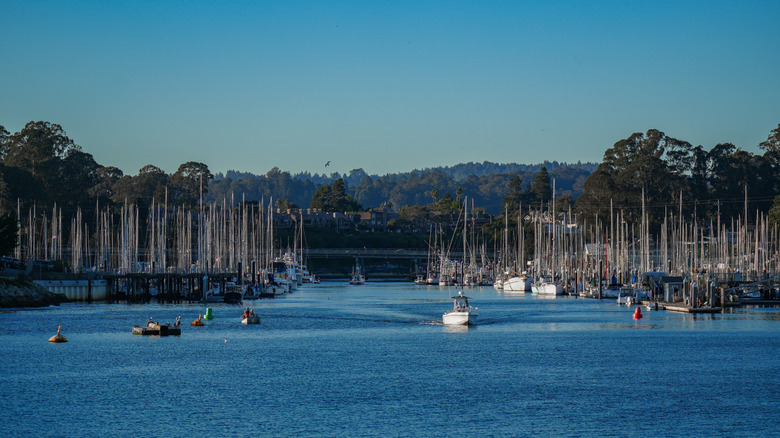
Located one beach over from the Santa Cruz Beach Boardwalk's seaside park, the Santa Cruz Harbor might not seem like a wildlife spotting destination, but think again. Sea otters, especially moms with pups, are attracted to harbors because of the protected, calm waters and quick escape back out into the ocean. Although an otter sighting isn't guaranteed, visitors have reported seeing moms with pups on their bellies floating between the boats. As the wooden piers bring you right to the water, it's important to remember that otters require 60 feet of space.
Another way to spot otters is by taking Kayak Connection's "Santa Cruz Wildlife Tour," which lasts three hours and departs from the Santa Cruz Harbor. Only available to kayakers over 15 years of age, the tour offers the chance to see otters as well as other marine mammals, including harbor seals, sea lions, and migrating gray whales (only in the spring). If you encounter a mother with a baby, give her at least 5 kayak lengths of space (I'd err on the side of more) and, per National Oceanic and Atmospheric Guidelines (NOAA) guidelines, "slowly leave the area if marine mammals show signs of disturbance."
The Santa Cruz Harbor has several waterfront eateries, including the Crow's Nest, a Santa Cruz icon and favorite among locals for the generous happy hour in the upstairs dining area. From the second floor, you can watch the action in the harbor, including any wildlife that might visit.
The Santa Cruz Wharf
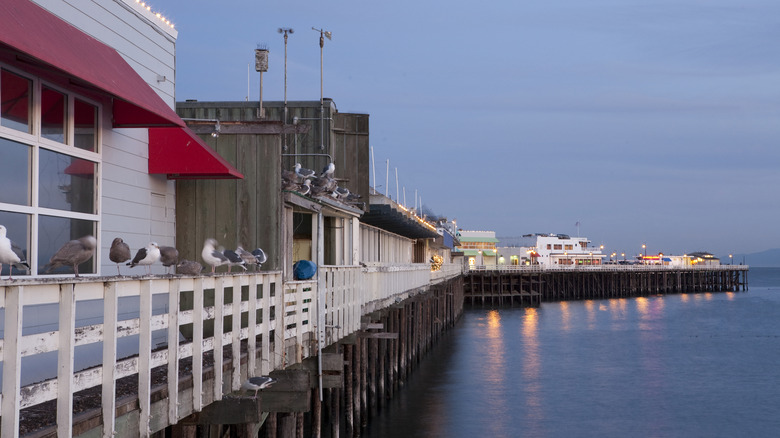
In terms of marine mammals, the Santa Cruz Wharf is known for the boisterous sea lions floating in rafts or lounging on the wooden beams below. However, from Santa Cruz's iconic fishing pier, you can also spot otters as you stroll from end to end or dine at the many restaurants. Located next to the Boardwalk, the 2,745-foot pier looks out across the same stretch of ocean you see from the Steamer Lane part of West Cliff Drive.
Although you're further away from the kelp forests near the cliffs, there's still a decent chance of spotting a mother-baby otter pair floating along the wharf. Use the weathered blue telescopes dotting the walkways to look for tiny otter pups wrapped up in the kelp blades or watch the moms groom their babies. Unless wrapped in kelp, it's rare to see a baby otter in the water. This is because they can't actually swim until they turn three or four months old.
Wilder Ranch State Park
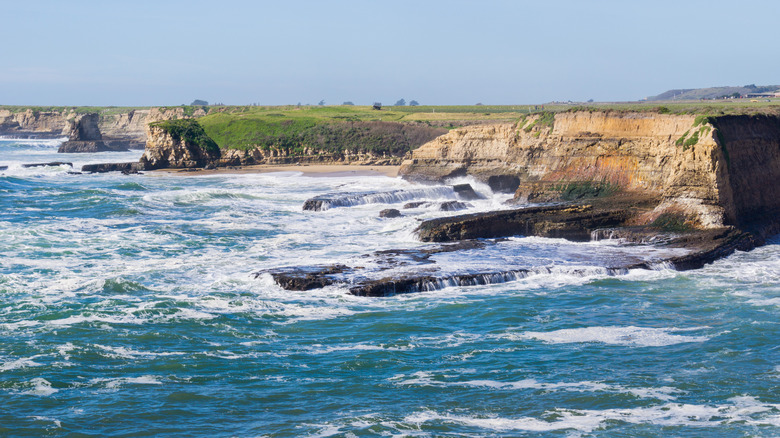
Located just north of Santa Cruz proper, Wilder Ranch State Park is the final place you should check for otter pups. Highway 1 divides the park's 7,000 acres between the steep mountains and coastal bluffs. For the sake of your otter quest, stick to trails that follow the coastline, such as the Ohlone Bluff Trail or the Old Cove Land Trail. Scan the water for otter moms once you've come to a stop, as the wind can pick up quite suddenly, and a fall from the bluffs could be fatal.
"Between December and April you might spot migrating grey whales just offshore," shared one hiker in a Google Review. "I've often seen seals lounging on the beaches below as well as sea otters floating nearby." Like this visitor, I've also spotted otters at Wilder Ranch, but I've only encountered babies once. Mother otters look for calm, protected waters where their babies will be safe, and the conditions at Wilder Ranch are often wild. However, considering the small size of the otter population in California, it's still one of the best places to see baby otters in Santa Cruz.
Methodology
Although the Boardwalk and other manmade attractions entice tourists from around the world, our natural places, from the old-growth groves at Henry Cowell Redwoods State Park to the Monterey Bay, are Santa Cruz's greatest treasures. Using my personal experiences as a born and bred Santa Cruzian and my knowledge of marine ecosystems gained during my time docenting at the Monterey Bay Aquarium, I created this ranking to help otter enthusiasts without harming these incredible creatures.
To this end, I included the insights of other Santa Cruz locals culled from reddit, Santa Cruz-specific community groups, and my contacts at California State Parks. I encourage anyone who would like to expand their understanding of California's sea otters to take advantage of the Monterey Bay Aquarium, Sea Otter Savvy, the Marine Mammal Center, and The Otter Project, resources I also found helpful.
Please note that these recommendations only include locations where you might spot an otter pup in Santa Cruz County. For this reason, I excluded Moss Landing and Elkhorn Slough, both vital sanctuaries for baby and mama otters. Less than an hour from Downtown Santa Cruz, these places are technically in Monterey County. If you choose to visit, consider taking a tour with Elkhorn Slough Safari or Kayak Connection (the Monterey location). You have an excellent chance of seeing baby otters (even outside spring), and the organizations have both been recognized by Community Active Wildlife Stewards for their ethical viewing experiences.