
5 Incredible Island Destinations That Could Pass For Hawaii, According To Reddit
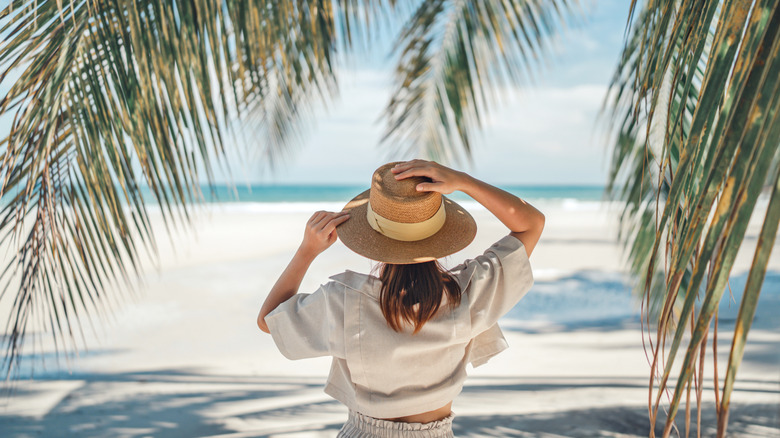
So you've been to Hawaii too many times to count — a great dilemma to have, by the way — and have your heart set on another Hawaii-like island across the seas. Maybe you've just caught wind of the big changes to Hawaiian vacation bookings in 2026, which amount to new fees and higher taxes on vacation rentals, in a nutshell. Or perhaps you're just looking to shake things up.
Whatever the reason for giving the Aloha State a pass, the Reddit community has done the legwork on alternative islands that duly deliver on the Hawaii vibe. While it's hard to truly match Hawaii's rugged volcanic landscapes, historic landmarks, and intense diversity of nature that spans waterfalls, mountain ranges, and the best waves for surfing, these five islands — handpicked for their climate, beaches, activities, tourist-friendliness, and natural landscapes — come pretty darn close.
Ready to diversify your island destination portfolio? Travel to Hawaii by way of South Korea, where a small fishing island carries the same swagger, or head to Portugal's Azores archipelago. Hop to the Okinawa islands that make a case for being Japan's Hawaii. And if you want to stay on U.S. soil, visit two U.S. territory islands in Micronesia and Polynesia — they've got the same aloha atmosphere, and one of them doesn't even require a U.S. passport.
Jeju Island, South Korea
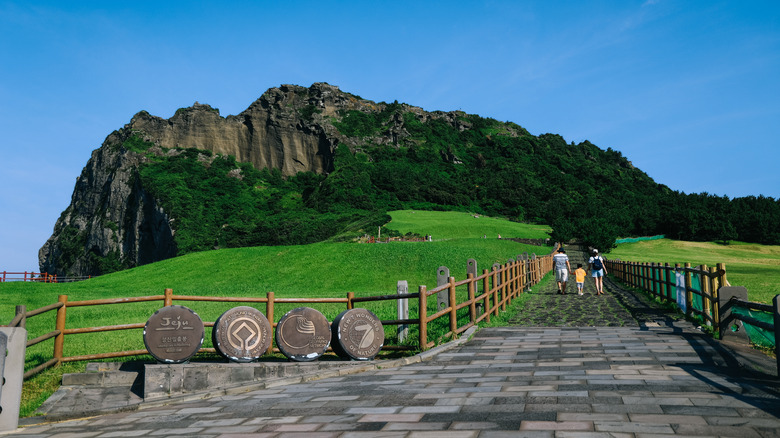
Jeju Island, touted as the Hawaii of South Korea, has the Hawaiian template down pat. "If you just want straight up facts without cost then Jeju Island is truly beautiful and close to Hawaii in terms of nature," shared a Redditor. Like Maui's Haleakalā, the 713-square-mile South Korean island has a dormant volcano, Hallasan, and an impressive lava tube network that earned it a UNESCO World Heritage Site designation. It's got beaches — over 11 of them — where clear waters lap against a diversity of sandy stretches, from the fine white crescent of Hamdeok Beach to the dark shores of Samyang Beach, owed to past volcanic eruptions.
Windswept coastlines, lush forests, and panoramic overlooks make Jeju a popular honeymoon destination, much like Hawaii is for Americans. It's easy to fall under the spell of Jeju's slow island rhythm. As one Redditor told a user planning a romantic vacation, "Jeju Island is comparable to the Hawaiian Islands: natural beauty, beaches, waterfalls, (dormant) volcanoes. There are lots of very nice and affordable places to stay and eat. And there are upscale resorts if you want luxury."
While some travelers are content admiring Jeju's landscapes from afar, others dive into them headfirst. Some adventurers take to the land, treading the network of hiking paths that traverse the expanse of Jeju's rural landscape, while others flex their sea legs on surfing, diving, and snorkeling expeditions around the island. Like Hawaii, Jeju gets a fair share of rainfall and humidity throughout the year, though winters here are much colder. Thankfully, travel to the island comes easy: The Seoul-Jeju flight route sees the most air traffic in the world, according to 2025 OAG data.
Azores, Portugal
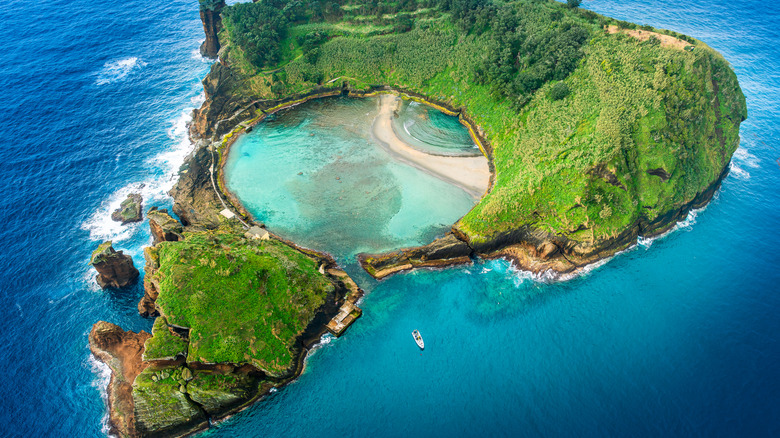
A constellation of nine tiny islands on the Atlantic Ocean, the Azores draw enough parallels with Hawaii to earn their reputation as Europe's Hawaii. But some would argue that this Portuguese archipelago overtakes Hawaii by a long shot. "The Azores feel like what Hawaii used to be," wrote Redditor u/NarwhalBoomstick — noting that despite their Hawaii-adjacent features like lush islands, hot springs, sandy beaches, and natural landscapes, the archipelago is "not nearly as built up, not nearly as expensive (staggeringly inexpensive in some ways), with a distinct and unique culture, and almost no 'Exit Through The Gift Shop' vibe." Sign us up — we're sold on the idea.
First-time travelers find their bearings at São Miguel (aka Green Island), host to the main international airport and the jump-off point to the rest of the isles. Shaped by their volcanic origins, each island asserts its own character, so Azores island hoppers come away with a tapestry of geysers and springs, craggy black lava rocks, bullfighting traditions, and a surprisingly robust wine culture — significant enough to earn UNESCO World Heritage bragging rights.
The Azores enjoy a temperate climate — neither too hot nor too cold. The frequent rains, especially during winter, really can't be faulted; they're responsible for all that lush greenery that carpets the terrain. And, of course, activities revolving around the archipelago's turquoise waters, from sunbathing on sandy beaches to diving and fishing, are top notch. Swap the seas for hot springs during the winter months; Marek of the blog Into the Azores says the thermal baths are "wonderfully uncrowded at this time, visited almost entirely by locals rather than tourists."
Okinawa, Japan
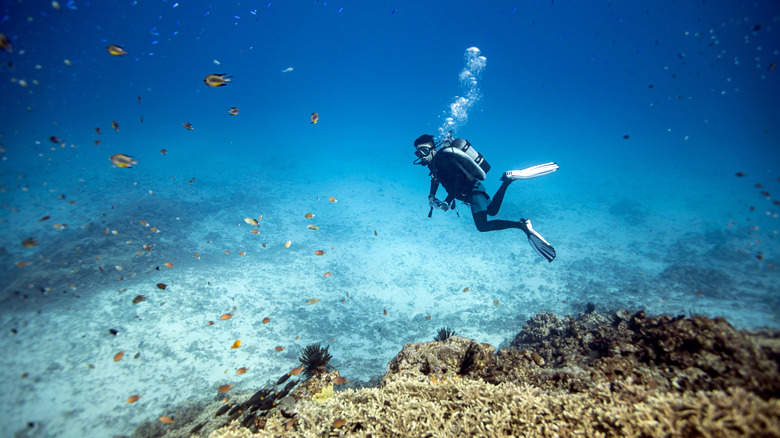
While snow bunnies trek to Hokkaido to enjoy world-class slopes and cozy ski village vibes, sun worshippers head to Okinawa, an archipelago that sits halfway between Taiwan and Japan's southernmost Kyushu region. A chain of 160 islands bookended by the Pacific Ocean and East China Sea, Okinawa channels Hawaii in more ways than one.
That's not to say that Okinawa lives in the shadow of Hawaii. With subtropical temps, lush rainforests, pristine beaches, thriving marine ecosystems, and enough nature-centric activities to keep one occupied for days, Okinawa rests on its own laurels. Redditor u/Budilicious3 echoes the sentiment: "Not many people know but Okinawa has one of the healthiest reefs compared to the rest of the world. It's even slightly more north than Hawaii. As an avid snorkeler, the reefs are WAYYY healthier than Hawaii too." There are also mangrove forests for canoeing, castle ruins to visit, and stretches of coastal roads to cruise along.
This natural tableau is backdrop to a local culture that is distinctly Okinawan, forged by centuries under the governance of the Ryukyu kingdom until 1879. This shaped the islanders' diet, dialect, and combat traditions (Okinawa is the birthplace of karate). Nonbiri — "laid-back" — encapsulates the mindset and lifestyle of the locals, similar to the Hawaiian concept of "aloha." Travel and Tour World predicted that Okinawa's sustainability, affordability, and accessibility will be a tempting alternative to Hawaii for travelers in 2026 — and already, it's become the Taiwanese's top go-to winter escape, according to a study by Agoda. Well played, Okinawa!
Guam, Micronesia
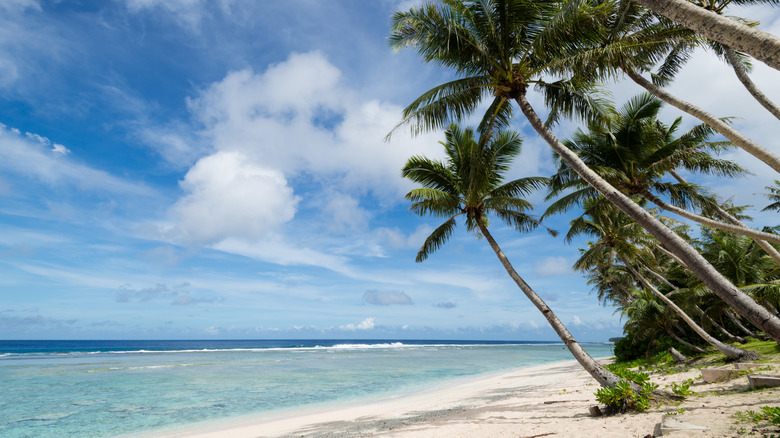
It takes anywhere from seven to 12 hours to travel to this Western Pacific island from the United States, but Guam's white sands, azure water, and sprawling forests — which take up 53% of the entire island — make the long haul worth your while. Guam is often likened to Hawaii, albeit in a more affordable and less crowded way. A Redditor gave a hearty thumbs-up to its centrally located airport, hotels, fun night markets, and the fact that English is widely spoken. Forged by two volcanoes, Guam boasts a dramatic landscape that indulges the whims of hyperactive adventurers and lazy sun worshippers alike.
Beach-hopping is a thing here. A handful of scenic trails connect one beach to another, featuring pit stops at World War II remnants, Japanese pillboxes, and the limestone clifftop lookout called Two Lovers Point. Think those white-sand beaches are gorgeous enough? Just wait until you get your wetsuit on, because Guam's diving is one for the books. Dive sites feature colorful reefs and wrecks from both world wars — including a tanker still bearing an American flag.
And how does the island measure up to Hawaiian weather? For blogger SaltyVagabonds, Hawaii's chilly, damp, and rainy spells are no match for Guam's year-round tropical conditions. "When we visited in November, the air was balmy, and the ocean water was warm enough for hours of swimming, reef diving, and snorkeling without a wetsuit. For me, that's what a tropical paradise should feel like," the blogger wrote. If you're a U.S. citizen, passports aren't required to enter the island. But be sure to adjust your watch after landing: Guam's Mariana Trench location means it starts a new day 14 hours ahead of the East Coast, which explains the island's "Where America's Day Begins" slogan.
American Samoa, Polynesia
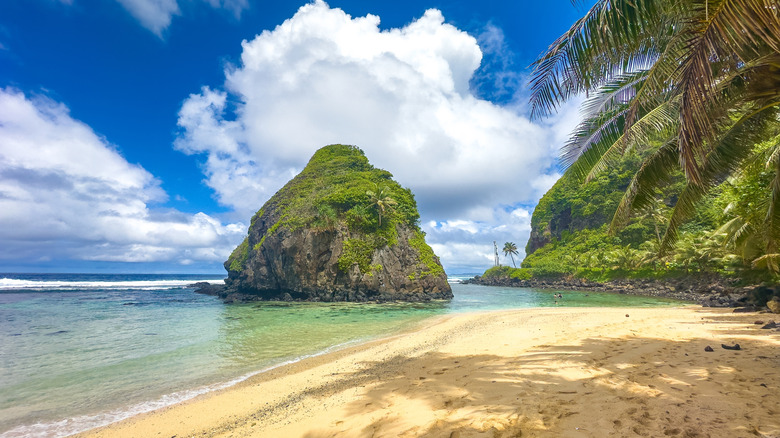
If Guam is where America's day begins, American Samoa is where it ends. A clutch of five inhabited volcanic islands and two coral atolls, this U.S. archipelago couldn't be better placed to enjoy a pure, unadulterated tropical climate. Located below the equator — the only U.S. territory to claim the distinction — and surrounded by Pacific Ocean waters, American Samoa's year-round warmth and humidity are tempered by the wet season.
In terms of natural and maritime landscapes, the islands can go head to head with Hawaii's, though they skew more toward the uncrowded and unspoiled. On a Reddit thread discussing "places like Hawai'i that aren't Hawai'i," u/nobleexperiment wrote: "If it has to be in the Pacific without feeling like a honeypot of other tourists like Hawai'i then I can only think of Samoa and American Samoa." Just like Hawaii, there are endless opportunities to hike, snorkel, and explore the islands' natural offerings, minus the crowds.
The National Park of American Samoa, considered the safest of all American national parks, is a springboard for all things nature. Encompassing three islands — Tutuila, Ta'ū, and Ofu — it offers a little something for everyone, from hikes up Mount 'Alava Trail to soaking in the slow, authentic vibe of the tight-knit Polynesian villages of the islands. Cool off in the spray of Nu'uuli or Faga'alu falls, or spend the afternoon at Ofu Beach, considered one of the South Pacific's finest. Avid snorkelers and divers can wax poetic over Fagatele Bay National Marine Sanctuary, where protected status cultivates breathtaking coral reefs and thriving communities of fish, turtles, whales, and porpoises. Tempting as it may be to book the first flight to the isles, don't forget your passport: Unlike Guam, U.S. citizens still need passports to enter American Samoa.
Methodology
In compiling this list, we scoured Reddit threads discussing Hawaiian doppelgängers and shortlisted island destinations according to how they compared to Hawaii across several criteria: climate, island activities, and natural landscapes. Each destination features volcanic terrain and climates warm enough for water-based activities. Cinching their spots on our list were their affordability, lack of crowds, and island time done the right way. Backing up our picks is information gleaned from the destinations' official tourism boards, travel blogs, and established travel publications.