
Situated Between Fort Worth And San Angelo Is Texas' Charming City With Antique Shops And Wineries
When you think about frontier settlements and the hostile landscapes of Western movies, the first thing that comes to mind is probably Texas. Many of the Lone Star State's small towns popped out of nowhere in the late 19th century, developing as county seats — the state boasts over 250 today — organized around a central courthouse. Its purpose was twofold: to establish a clear civic structure and simplify governance, and to serve as a bustling hub where the surrounding community could come together. Among the most charming (and often overlooked) examples of this model is Comanche.
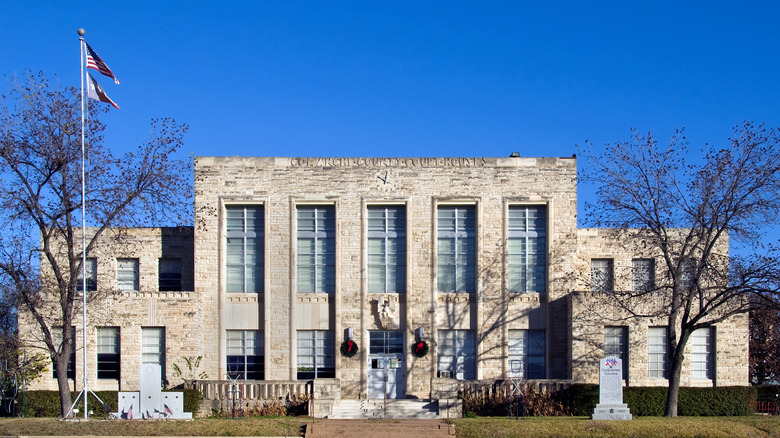
Situated between Fort Worth, a Texas city also known as "Where The West Begins," and the Wild West town of San Angelo, with its dazzling river walk full of locally-owned eateries (both roughly 100 miles or about a two-hour drive away), the seat of Comanche County displays all the features of a quintessential Texan town. Founded in 1856 and incorporated two years later, Comanche still boasts not one, but two, courthouses: the Old Cora Courthouse, the original 1856 log structure from the first county seat, and the late 1930s Art Moderne building.
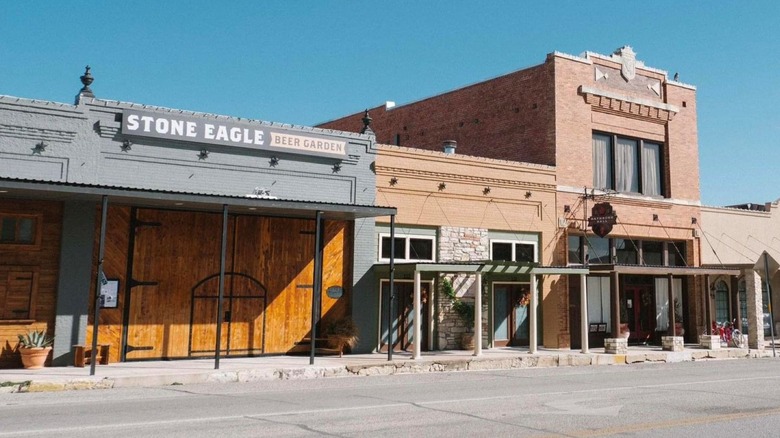
The historic downtown is easy to explore on foot (the courthouse square is just a 20-minute walk along Central Avenue from the Comanche County Museum, one of the town's must-visit attractions), and features an impressive array of antique and vintage shops, many of them housed in late-19th- and early-20th-century storefronts. Among them are the Comanche Mercantile, a detailed historical reproduction of an 1850s general store featuring everything from textiles to home decorations, rugs, and even books; the Courthouse Square Mall, boasting an "excellent selection of antiques and collectible items," as confirmed by several visitors; and the rustic Sweet P's Antiques on Austin Street. Just as fascinating is the surrounding countryside, which supports a plethora of small — but mighty — family-owned wineries.
Exploring Comanche's historic and natural treasures
While Comanche — today featuring just over 4,000 residents — has grown and expanded over time, it has never lost its ties with the past. Part of that legacy is preserved at Moorman Road's Comanche County Museum. According to a visitor, it is "one of the most amazing places to visit in Comanche County, full of [the] history of all settlements, communities, schools, and people." Inside its 14 rooms, it's possible to step back in time through a rich collection of historical objects from different eras. Among the most compelling exhibits are a replica of the 1874 shoot-out at the Jack Wright Saloon involving the notorious Texas outlaw John Wesley Hardin, and a fascinating miniature scene depicting the indigenous Comanche people, the original inhabitants of the area, from whom the county takes its name. The team of volunteers is ready to welcome all visitors from Thursday to Saturday, and to share interesting insights into the town's tumultuous past.
Another beautifully preserved historical highlight is the brick, Prairie School-style Frisco Train Depot on South Austin Street (just a couple of minutes away from Central Avenue), constructed at the beginning of the 20th century by the St. Louis and San Francisco Railway Company to supersede an older wooden structure. The building, now home to the local Chamber of Commerce and a small train exhibition, was saved from decades of abandonment in the early 2010s by a group of local volunteers — the Friends of Historic Comanche – earning a spot on the National Register of Historic Places.
The countryside surrounding Comanche, for centuries shaped by ranching and agriculture — still today two of the Lone Star State's driving economic sectors — is no less captivating and hosts a plethora of family-run ranches, like Double Creek Ranch or SF Ranch, which often open their doors to visitors. Not far from downtown is also the beloved Comanche City Park, featuring several playgrounds as well as a walking and running trail, and even an outdoor swimming pool (open during the summer months).
A journey through Comanche's best wine and food spots
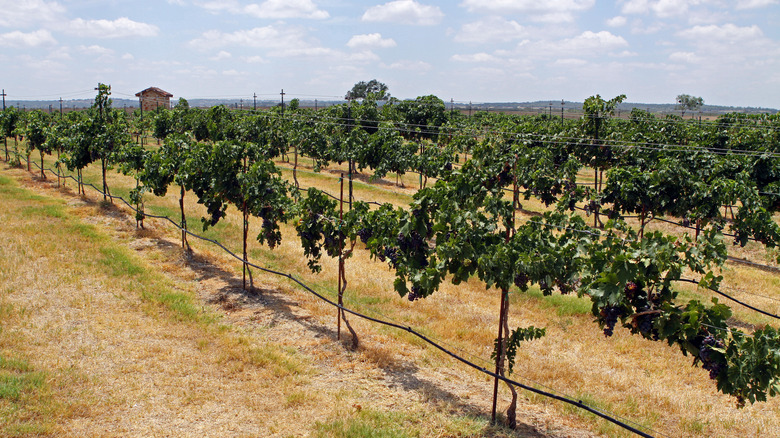
Texas might be famous for many things, yet its wine scene often slips under the radar despite the state's long and established winemaking tradition and the more than 400 wineries across multiple growing regions, from the scenic vineyards along the Texas Bluebonnet Wine Trail in the state's stunning southeast to the celebrated wineries of Central Texas. The plateau around Comanche, located on the northern fringe of the Texas Hill Country American Viticultural Area (also known as "AVA"), lives up to this reputation. The recipe for its success is rooted in a specific combination of environmental and climatic factors, including well-draining calcareous soils, scorching summer days that often surpass 90 degrees Fahrenheit, and cooler nights that allow grapes to develop balanced flavors and create the ideal conditions for cultivating renowned Mediterranean varietals.
Around the city and its outskirts, you'll discover several notable wineries that are well worth a visit. J.W. Hardin Wine Company operates a tasting room in a beautifully renovated historic saloon in downtown Comanche, offering world-class wines, crafted primarily at the nearby Gatewood Vineyard and Comanche Summit Estate Vineyard. The degustation is accompanied by "extraordinary stories about the history of Comanche, the winery and the [Wild West]," as a recent visitor points out in a Google Review.
While pretty limited, the culinary scene — blending quintessential Southern cuisine with Mexican and European influences — boasts some hidden gems worth exploring. Harvest La Crêperie is a little corner of France in the heart of Texas. The concept is simple, yet effective (proven by its 4.8-star rating on Google, with customers describing it as "a little Hallmark movie place"). Here you'll find a wide selection of sweet and salty crêpes, from timeless classics like ham and cheese, or Nutella, banana, and strawberries, to more original combinations such as the "Mediterranean" (goat cheese, almonds, arugula, and prosciutto), and the "cannoli" (fresh ricotta, candied fruit, and chocolate chips). To spice things up — literally — check out Los Juanes Mexican & BBQ, a family-owned restaurant featuring the best of both cuisines, from ribeye steak to tacos con carnitas and fajitas ala Mexicana.