
Santa Cruz's Prettiest Sunset Spot Is A Free-To-Visit Cliffside Lighthouse With Nearby Beaches And Trails [Publish 3/15]
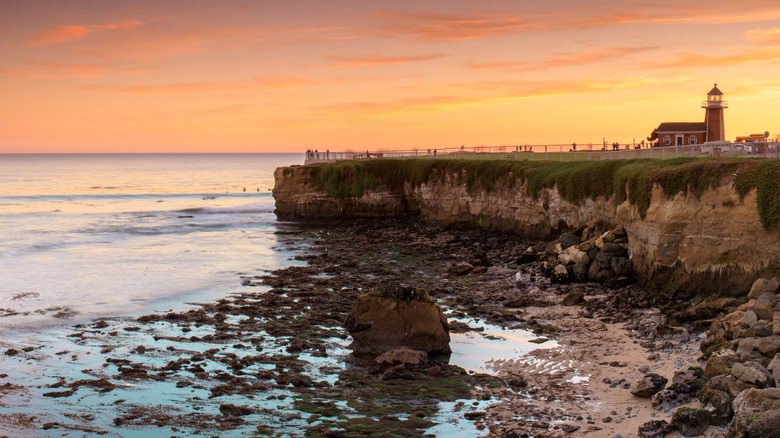
Santa Cruz, California, has no shortage of dreamy sunset spots. From vista points overlooking the Santa Cruz Beach Boardwalk to the weathered stone arch of Natural Bridges State Beach, the California beach town where surfing first came to America puts on an incredible golden hour show. But, if you're looking for one place to enjoy the colorful sky meeting the ocean, Lighthouse Point has a reputation for being the best sunset spot in Santa Cruz.
Overlooking the famous waves of Steamer Lane, Lighthouse Point (sometimes called "Point Santa Cruz") is a patch of headlands that marks the northernmost tip of Monterey Bay. This clifftop park features a grassy lawn, a parking lot, and the Mark Abbott Memorial Lighthouse, encircled by paved paths perched on the bluffs. As a born and raised Santa Cruz local, I've been coming here for over 30 years, and consider a visit to Lighthouse Point one of the best things to do in Santa Cruz.
Although the lighthouse closes before sunset, you can watch the sky (and some seriously talented surfers) from the grassy area or up against the metal railing. What makes this sunset spot special is the way the color seems to envelope you. Brilliant reds, pinks, and golds light up the sky, waves, and wet sand; it's as if you are part of the sunset. Add the smell of salt in the air, barking sea lions lounging on the rocks below, and a musician or two singing along to a guitar, and you've got the perfect end to your day in Santa Cruz.
When is the best time to catch sunset at Lighthouse Point?
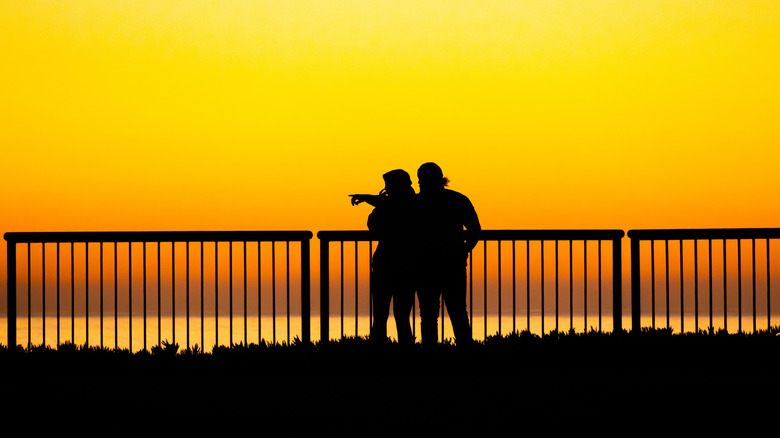
For the most vivid, long-lasting hues, plan your sunset session during the winter months. From approximately December through February, clearer, less-humid air makes the colors appear brighter. In terms of saturated hues, spring and summer are a mixed bag. On some days, the fog creeps in from the bay before sunset reaches its peak, but other evenings bring a dance between fog tendrils and the last rays.
Sunset time varies greatly throughout the year. In the height of summer, the sun won't sink until 8:30 p.m., while the sun sets before 5 p.m. in the winter. To maximize the golden light, make sure to arrive at least one hour before sunset, especially if you want to take photos. Even during the summer months, it can get chilly fast when the sun disappears, so bring a fleece and wear long pants.
Things to do around Lighthouse Point (besides watch sunset)
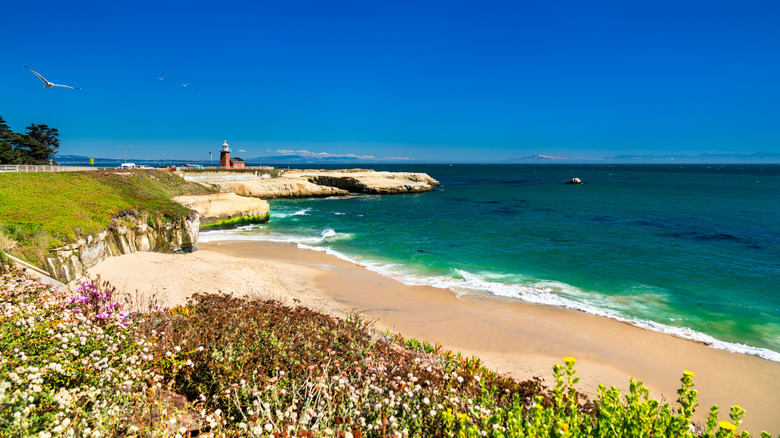
Built in loving memory of local teenager Mark Abbott, who drowned in Santa Cruz's wild ocean, the redbrick lighthouse is also the Santa Cruz Surfing Museum. The building is quite small, but jam-packed with 100 years of local surfing history. Inside, you'll find walls covered in vintage photos presented as a timeline, and surfboards hanging from the ceiling. The museum is free, but the hours aren't consistent, so you'll want to check the website before visiting.
The entire area around Lighthouse Point is great for walking. I recommend parking in the lot in front of Lighthouse Point (it's free), and then walking in either direction along West Cliff Drive. This flat, wheelchair-accessible 2.5-mile path follows the coastline from Natural Bridges to the wharf, offering views of powerful ocean swells, cliffs covered in flowering purple and yellow ice plants, and the chance to spot baby sea otters in the spring. You'll pass Lighthouse Field State Beach (referred to as "Its Beach" by locals), a stretch of sand where dogs can run free, and Mitchell's Cove. This second beach is great for short beach strolls, but prohibitively dangerous for swimming.
Walkers can also explore Lighthouse Field. Occupying a stretch of grassy headlands behind Lighthouse Point, this free-to-enter park is one of the only undeveloped stretches along West Cliff. Dirt trails cut across the park, leading to eucalyptus groves where monarch butterflies cluster during the winter.