
America's 5 States To Visit With The Most Sunshine, According To Data

Let's face it, winter isn't always a cut-and-dry 3-month season. It often extends far beyond its official end, and rainy spring and fall weather can result in seemingly endless dreary cloud cover. While a getaway to sunny tropical destinations like the Caribbean or Southeast Asia may sound appealing, those trips are often too far or too expensive for a quick sunny reset.
Fortunately, the United States is considered one of the sunniest countries on earth. You don't have to travel far — you just need to know which pockets of it offer the most reliable sunshine. And it can be worth making time for brighter destinations. Sunlight is more than a nicety; it also plays an important role in health. Regular exposure to sunlight accounts for up to 90% of human vitamin D intake, which improves immune function, muscle function, and mood.
Instead of guessing where the brightest destinations are, plan your perfect trip based on concrete data. A report from World Population Review compiles information on the sunniest states in the U.S., drawing from federal climate data that measures annual sunshine and clear days. Below, we've paired that data with travel ideas and practical tips to help you make the most of a sun-filled adventure.
Arizona
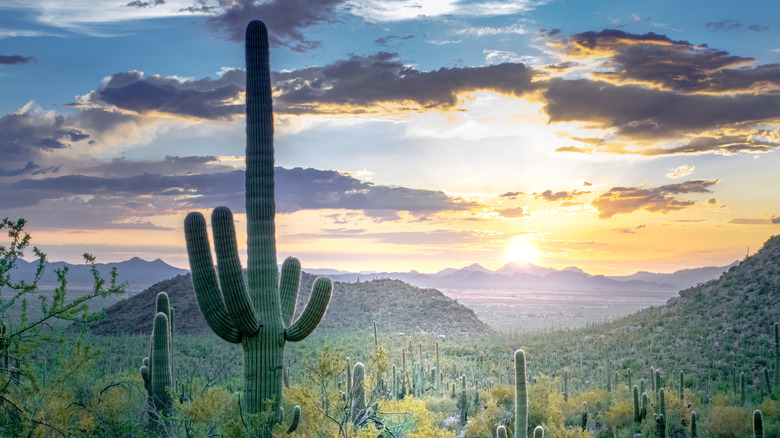
Arizona is the best bet for sunny skies in the U.S., as data show it's by far the sunniest state in the country. On average, skies are sunny about 85% of daytime hours, with about 193 clear days per year. The state's desert climate plays a major role: dry air and limited moisture mean fewer clouds and less rainfall than in many other regions.
Yuma is widely cited as the sunniest town within the state and is sometimes even called the "sunniest place on Earth." Located in the Sonoran Desert, the city sees sunshine 91% of daylight hours on average and only receives about 3 inches of rain a year, so there's no worry of torrential downpours or humidity spoiling your trip. As you may have guessed, winter temperatures are also relatively mild, with average January temperatures ranging from 41 to 68 degrees Fahrenheit, making it much balmier than most destinations during this chilly season.
For a more metropolitan trip, consider visiting Phoenix, which, according to the BestPlaces City Report, averages over 300 sun-filled days each year. Meanwhile, Tucson takes third place with its 286 sunny-day average. All of these destinations are worth a visit, but it's important to keep in mind that Arizona's sunshine also brings extreme heat. Data from the National Oceanic and Atmospheric Administration suggests that November through March offers the most comfortable combination of sunshine and moderate temperatures.
Nevada

The state of Nevada ranks second for overall sunshine, according to metadata from the World Population Review. On average, the state experiences about 79% possible sunshine, roughly 3,600 hours of sunshine annually, and about 158 clear days per year. Like Arizona, Nevada's desert climate and low rainfall contribute to its consistently bright skies. It's often even considered the driest state in the U.S.
Las Vegas ranks as Nevada's sunniest city, convenient for travelers who want to visit a sunny destination with near-infinite tourism options and an airport just a quick car ride from the famous Strip. According to Current Places, Sin City has approximately 292 sunny days on average each year. Reno is another notable sunny destination, averaging about 251 sunny days annually. Its high-desert location contributes to its arid climate.
As with most desert destinations, heat can be intense across Nevada, especially in the summer and even during the shoulder season. One of the biggest walking mistakes for Las Vegas visitors is underestimating the city's sheer size, which leads to excessive sun exposure. Make sure to wear sun-protective clothing and apply sunscreen regularly if you plan to be out all day, regardless of whether you're exploring Nevada's metropolitan areas or its natural landmarks. Consider visiting in March, April, or October for temperate weather.
New Mexico

New Mexico is known for extraterrestrial lore, charming mountain towns, and tongue-testing chili-based dishes. And perhaps another reason people enjoy the eclectic southwestern state so much is its wide, bright skies. The Land of Enchantment averages about 79% sunshine and more than 3,400 hours of sun each year. When the sunlight floods its many natural attractions, such as Carlsbad Caverns National Park or White Sands National Park, it imparts an unearthly glow that hardly feels possible on planet Earth.
Albuquerque is the sunniest major city in the state, with around 280 sunny days each year and about 76% possible sunshine throughout the year. Santa Fe, about 65 miles north, offers a mix of cultural attractions and outdoor activities in similarly sunny conditions. Roswell also receives abundant sunshine, with a 74% chance of sun daily and an average of 279 sunny days per year.
New Mexico is an ideal destination for outdoor activities year-round, but by traveling during certain periods, you can enjoy its attractions without getting caught in sweltering heat. Summer temperatures can climb above 100 degrees Fahrenheit in some areas, so you may want to visit during the shoulder seasons – March through May and September through November — for warm but more moderate conditions.
Colorado
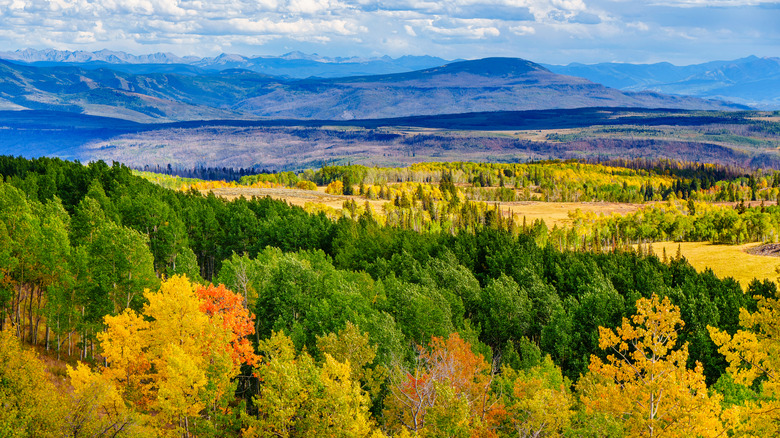
If you're looking to escape to a sun-drenched mountain town, Colorado may be your best bet. While the state often claims "300 days of sunshine" each year, some sources say this factor is exaggerated. Nonetheless, there's plenty of sun in the Centennial State. It sees about 71% possible sunshine and more than 3,200 hours of sun annually. Temperatures can be cooler than in desert states, but the weather can change quickly, with day-to-day changes at the drop of a hat, so it's important to watch the local forecast when planning your visit.
For the best chance of getting sunny rays, visit Alamosa, which offers 285 days of partial or full sun each year. It's home to the Great Dunes National Park and Preserve, a natural landmark worth exploring in peak sunlight. Colorado Springs comes in next with 247 sunny days annually and serves as a gateway to the Garden of the Gods natural area. Urban travelers can opt for Denver's 245 sunshine-filled days per year. The populous capital offers a blend of natural and cultural attractions that suit a wide variety of visitors, with plenty of options for laying low when the occasional rainshower rolls through.
Because Colorado experiences all four seasons, the best time to visit depends on your plans. As a rule of thumb, visit Colorado during the spring and fall months for temperate weather, summer for outdoor activities, and winter for time on the slopes, often under clear skies.
Hawaii

Hawaii is unsurprisingly among the top five sunny destinations in the United States, well-known for its must-see beaches drenched in tropical sunlight. Overall, the state averages about 71% possible sunshine and 90 clear days annually, though conditions vary significantly between islands and regions.
Kahului, Maui, leads the charge as Hawaii's sunniest locale. The city provides 276 days of sun each year on average, perfect for wind surfing at Kanahā Beach Park or a peaceful stroll through Maui Nui Botanical Gardens. Honolulu, Oahu, takes second place with 270 total sunny days per year. A clear day can make bucket-list attractions like the 475-acre Diamond Head State Monument shine, so it's worth it to plan your trip during the sunniest possible times.
Hawaii has two seasons: the dry season and the rainy season. Naturally, the dry season gives you the best odds of a clear-skied vacation, from May through October. NerdWallet suggests September for your visit if you plan to spend most of your time at the beach, as it offers the perfect sweet spot of bountiful, sunny weather and reasonable seasonal pricing.
Methodology
This article relies heavily on vetted data sources to ensure that it's as accurate as possible. We primarily consulted World Population Review's updated list, which includes metrics such as the annual percentage of sunlight, average number of sunny hours per year, and average number of clear days per year.
We also used BestPlaces to determine the sunniest cities at a more granular level. The platform estimates the number of sunny days per year, as well as precipitation averages, including annual rain, sleet, and snow. It also offers a "comfort index" metric that helps travelers gauge how comfortable each destination will be in a given season. Current Results also provided more granular sunny-day data, including both full and partial sunny days for crystal clear insights.
Finally, we browsed weather aggregate data to determine the best time of year to visit, balancing clear, sunny skies with low UV levels and pleasant weather. Meanwhile, the CDC's website was our source for sun protection tips. Local tourism boards also provided helpful climate-related data that lets ambitious sun-seekers know what they can expect on their next visit.