
5 Bans That Will Affect Popular Cruise Ports In 2026
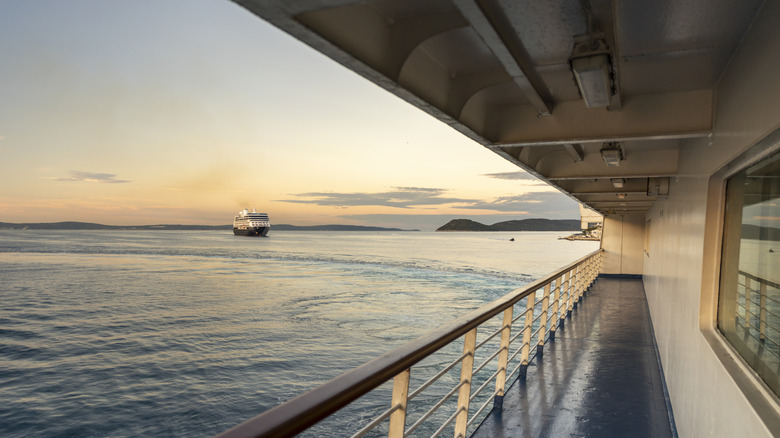
The cruise industry is currently experiencing a fair number of bans and restrictions. Of course, tourists always have to be aware of items that are banned on cruise ships, but today, we're looking at port bans that will affect popular cruises in 2026. Port bans are restrictions placed on cruise operations to address overtourism, environmental concerns, and safety for locals and tourists.
Historically, these policies are typically enacted by local governments or port authorities. They requires cruise lines to adjust their operations in response. New port bans happen all the time, and they could cause itinerary changes or reroutes for upcoming cruises in 2026.
Now more than ever, local governments are deeming them necessary. Global tourism has continued to rebound since 2020's shutdowns, and coastal destinations are feeling the resulting congestion. AAA projects a 4.5% increase in U.S. cruise passengers in 2026, bringing the total to about 21.7 million Americans sailing this year. Here are five cruise port bans and restrictions affecting 2026 itineraries that you should know before setting sail.
Cannes, France
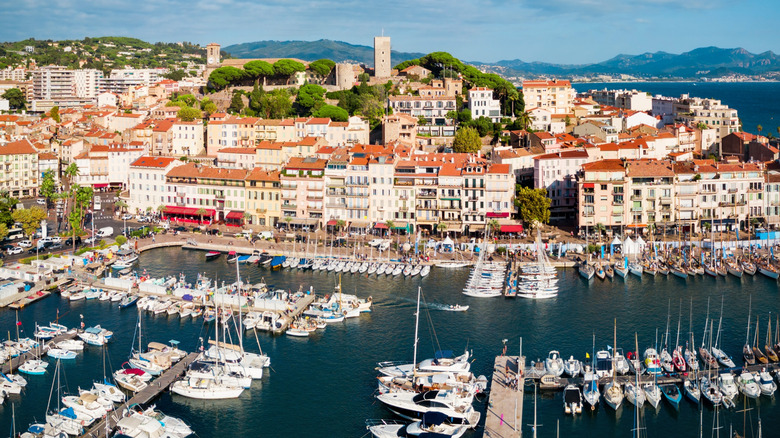
In 2025, French officials approved new limits on cruise ships visiting Cannes, with the changes taking effect in January 2026. Under the new rules, only cruise ships with under 1,000 passengers will be allowed, and the city has also capped total daily cruise visitors at 6,000. Estimates suggest that the measures could nearly cut large-ship visits in half.
The restrictions are partly tied to infrastructure, since Cannes is a tender port. This means your cruise ship will anchor offshore, and you'll need to take a ferry (or "tender") to and from the city. While tendering is common throughout Europe, it limits the number of guests who can be processed efficiently at any given time.
As a result, some cruise lines have had to consider other nearby ports like Nice or Villefranche-sur-Mer, both of which have also dealt with cruise tourism issues in recent years. Travelers hoping to visit Cannes by sea may find more options on smaller vessels, which are better suited to ports with size restrictions and may also offer more personalized experiences. "The staff gets to know you and address you by name," one Redditor said of a 780-passenger cruise they took. "The ship is not crowded, there are no lines for anything, you can make reservations for the fine dining at times you want."
Barcelona, Spain
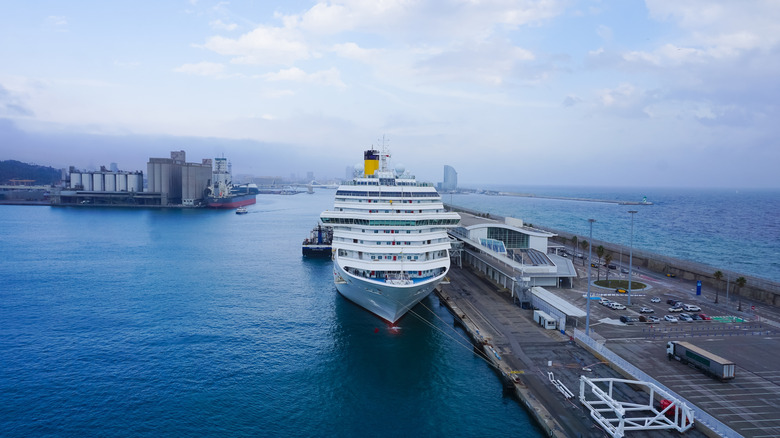
Barcelona remains one of Europe's biggest — and, therefore, busiest — cruise hubs, having handled about 3.7 million cruise passengers in 2024 alone. However, tensions regarding overtourism have been building for years, resulting in a now-famous 2024 protest in which a small group of residents sprayed tourists with water guns to draw attention to crowding and housing costs.
However, instead of banning certain types of cruise ships altogether, Barcelona has decided to upgrade its infrastructure to meet demand. According to Seatrade Cruise News, Barcelona has announced that it will close three of its port terminals to make way for a brand-new terminal designed to accommodate up to 7,000 guests at a time. The oldest terminals (A, B, and C) will be demolished to make way for this brand-new project, scheduled for completion by 2030. This initiative will be a step forward toward the cruise industry's goal of achieving carbon neutrality by 2050, which will be helped by the new terminals offering shore power.
While it isn't exactly an outright ban, it may feel like it for a while. Barcelona's maximum daily cruise capacity will fall from roughly 37,000 passengers to about 31,000 — a reduction of approximately 16%. Until the new terminal opens up, only four terminals (D, E, G, and H) will remain operational until completion of the project in 2030. While cruise rerouting may not be as common for this locale as some of the others on this list, cruises going to Barcelona may be limited compared to last year.
Amsterdam, Netherlands
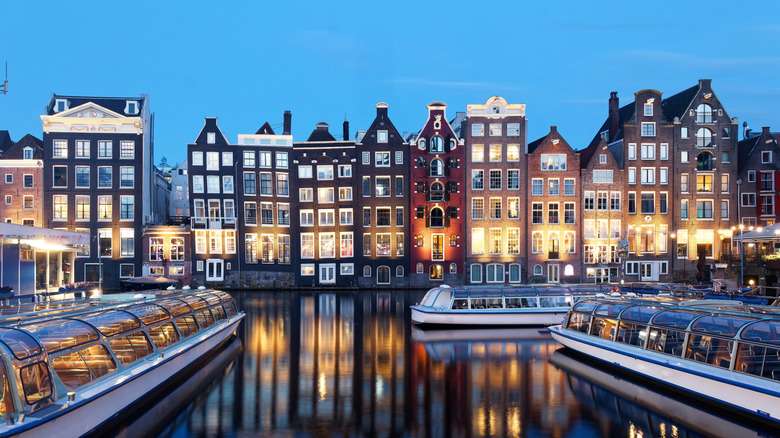
Amsterdam, which receives more than 300,000 cruise passengers annually, is debating the long-term future of its central cruise terminal. City leaders have proposed either permanently closing the Passenger Terminal Amsterdam by 2035 or relocating operations to nearby Coenhaven. However, Dutch officials are concerned that relocation may not be financially viable, since moving the terminal is estimated to cost around $99 million (€86 million). Long-term economic projections estimate that cruise tourism would generate a measly $53 million (€46 million) over 30 years, raising the possibility of full closure. As of this writing, the ultimate decision won't come until after the next elections on March 18, 2026.
While ships are still permitted to call in 2026, the municipal council has already capped port calls at 100 ships per year, and they will require vessels to use shore power beginning in 2027. Looking ahead, it's possible that Rotterdam may be able to absorb some displaced calls. From here, tourists who want to visit Amsterdam can take a train from Rotterdam via NS Intercity Direct.
Valencia, Spain
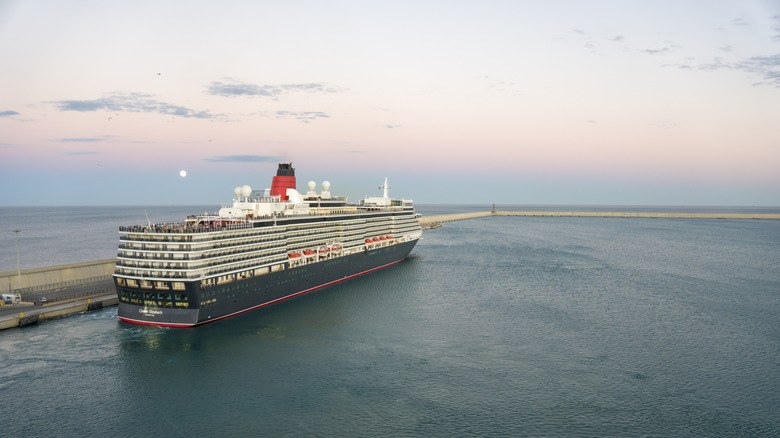
Valencia is also limiting large cruise ships, particularly to address overcrowding in the city. This was a decision made in 2024 by Mayor María José Catalá, following a near doubling of cruise tourism to Valencia, from 436,000 tourists in 2019 to 820,000 in 2024.
Because of this, Valencia is limiting mega cruise ships — those with a passenger capacity of 5,000 or more. Valenciaport will have only two spots open for 2026: the Transversal Dock and the Poniente Dock. These berths can only accommodate ships shorter than 985 feet in length, which means that anything longer will not be able to dock here. Smaller vessels won't be affected by this change, but mega ships will likely reroute to other nearby ports. For example, Carnival has quietly eliminated Valencia from its itineraries, but other locations like Palma de Mallorca are still on the schedule. Fortunately, there's plenty to see in the friendly, sun-soaked haven of Palma.
Juneau, Alaska
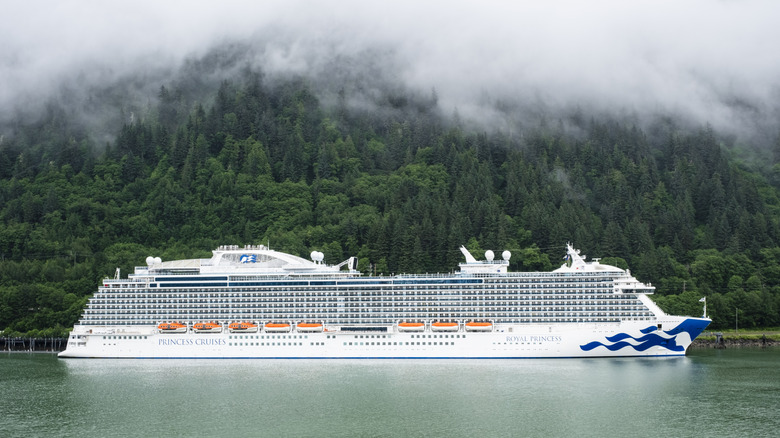
Juneau, Alaska, saw over 1.6 million passengers from large cruise ships in 2025, but locals have long felt overcrowded by cruise tourists. In 2024, some local activists even began a campaign for "Ship Free Saturdays," and about 40% of locals voted in favor of it. While this initiative ultimately failed, Alaskan officials and the cruise industry reached a decision to limit cruise ships from entering the port, starting in 2026.
Juneau's cruise passenger limits were negotiated through a series of discussions between the City and Borough of Juneau and the cruise industry. A task force was set up to address Juneau's specific concerns with overtourism, hoping to add to the progress they began back in 2019. Under the agreement, daily cruise passenger totals are capped at 16,000 from Sunday through Friday and 12,000 on Saturdays. No more than five large ships may dock per day. This way, Juneau can still welcome cruise tourism, but in a sustainable and manageable way for residents in the area. In the future, ports like Ketchikan, which is the salmon capital of the world, may be a replacement.