
These Are Minnesota's 5 Deepest Lakes Outside Of The Great Lakes
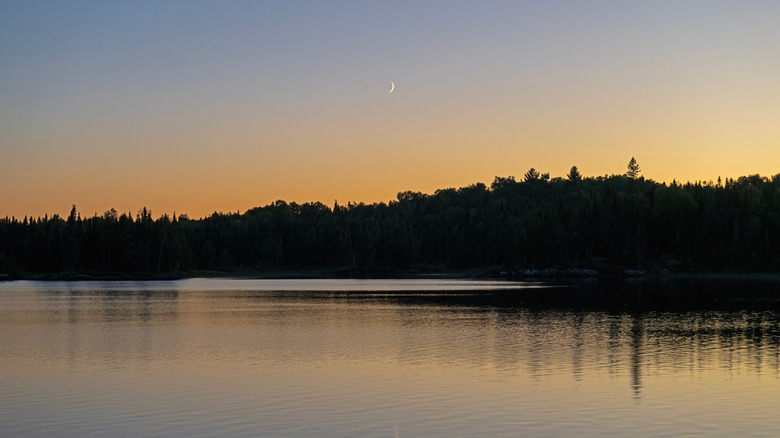
Minnesota is known as the land of 10,000 lakes. In reality, that number is even bigger: Depending on how you define a lake, Minnesota is the land of 11,842 lakes; the land of 14,380 lakes; or the land of 21,871 lakes. One thing everyone can agree on is that Minnesota's deepest lake is Lake Superior: it's 1,332 feet at its deepest point and has an average depth of nearly 500 feet. This Great Lake borders the northeastern part of Minnesota, as well as parts of Michigan, Wisconsin, and Canada. But what about the rest of Minnesota's lakes?
From Lake Minnetonka, the largest lake in the Twin Cities area, to Saganaga Lake, a crystal-clear Midwest gem for swimming and paddling on the Canadian border, Minnesota's lakes are attractions for anyone who loves the outdoors. Some lakes attract thousands of beachgoers on the summer weekends, making for a bustling atmosphere. Others are remote and scenic, drawing people who are looking for a quiet day in nature. Using maximum depth data from the Minnesota Department of Natural Resources, we found the five deepest lakes in Minnesota outside the Great Lakes, below.
Rainy Lake
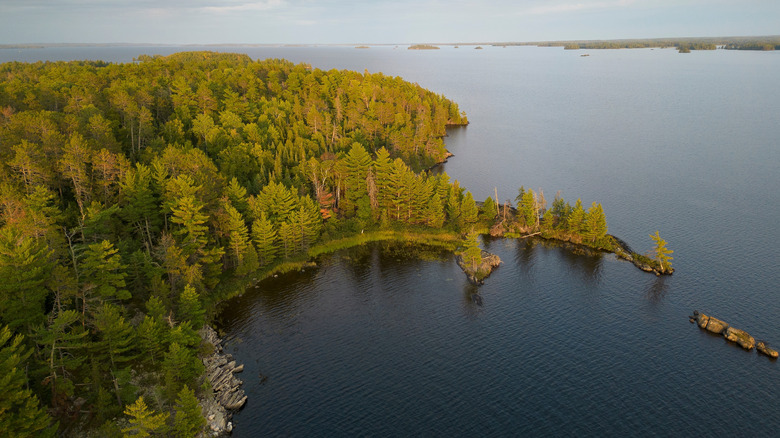
Spanning both sides of the Minnesota/Canada border, Rainy Lake is a remote body of water surrounded by wilderness. On the United States side of the border, visitors can access Rainy Lake by visiting Voyageurs National Park, a vast, 218,000-acre park containing four large lakes. Rainy Lake is the deepest of the four, with a 161-foot maximum depth; it's also 60 miles long, 227,604 acres in size, and has 929 miles of shoreline. The lake's isolated location means that visitors will see stunning scenery (including, on occasion, spotting the Northern Lights) as well as wildlife such as black bears and eagles.
The free-to-enter national park offers several ways to enjoy Rainy Lake. In the summer, people swim, water ski, motorboat, and canoe or kayak. In the winter, visitors can snowmobile, snowshoe, or cross-country ski on the ice roads stretching across the lake, as well as ice fish. Tent campsites offer a place to spend the night. In the summer and fall months, guided boat tours offer details about the natural history and cultural legacy of the park. Voyageurs is one of the least-visited national parks, and many visitors name the lack of crowds — along with the scenery, fishing, and wildlife — as part of Rainy Lake's appeal. One Google reviewer calls it the "greatest recreational lake in the world. So beautiful and tranquil. Perfection."
Loon Lake
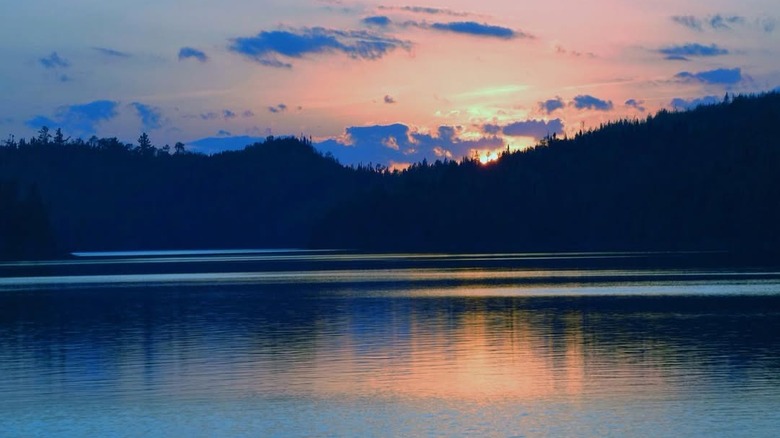
In the northeastern part of Minnesota, Superior National Forest contains 3 million acres, making it the largest national forest east of the Mississippi River. Within the forest, on the Gunflint Trail, you'll find Loon Lake, a 1,095-acre lake with a maximum depth of 202 feet and 14 miles of shoreline. There's one boat ramp and one campsite for dispersed camping. The remote location makes Loon Lake an ideal place for those who want to get away from other people and immerse themselves in nature. It's particularly popular for fishing, with a variety of species including bluegill, green and hybrid sunfish, lake trout, and rock and smallmouth bass. The 5-mile Loon Lake Loop passes along one border of the lake, making for stunning views of the lake and the surrounding forest. In warmer weather, some people like to go for a swim, too.
There's no fee to visit Loon Lake. If you prefer to camp somewhere with more amenities than its one primitive site, the privately-owned Loon Lake Lodge offers rental cabins on the eastern shore of the lake. About a 10-minute drive away, Gunflint Pines Resort & Campground welcomes RVs and offers rental cabins on the shores of Gunflint Lake (bigger in surface area, but not quite as deep as Loon Lake). "While at Loon Lake, for two days and three nights, I enjoyed two long hikes... two short hikes... some paddling... and a night sky with no moon and without light pollution. Wildlife sightings: Loons, wolf, deer, grouse, turtle, snakes, and beaver," writes one Google reviewer.
Ten Mile Lake
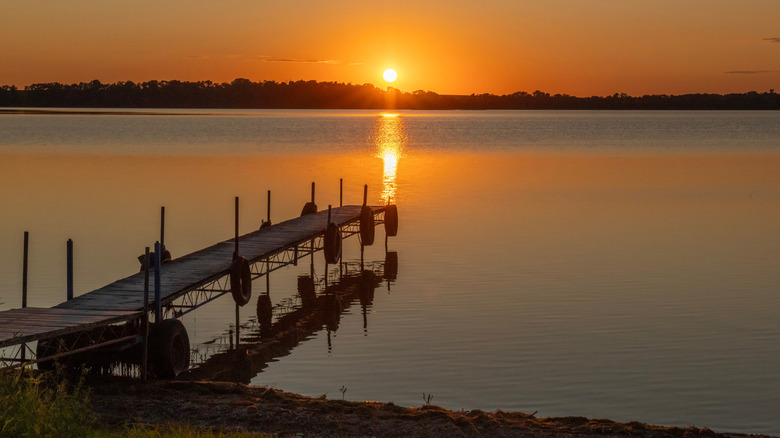
In north central Minnesota, you'll find Ten Mile Lake (sometimes written as Tenmile Lake), with a surface area of 5,000 acres, 25 miles of shoreline, and a maximum depth of 208 feet. It's located just north of the small city of Hackensack and southeast of the small city of Akeley. There's some residential development on the shores, and other parts are popular recreation areas, but overall, the lake is a quiet, peaceful spot. Ten Mile Lake's clear waters make for a stunning sight, and this is also the reason why the lake is such a popular spot for swimming and snorkeling in the warmer months. Tubing and boating are also common. Above all, though Ten Mile Lake is popular with fishers, thanks to its population of carp, largemouth and smallmouth bass, rainbow trout, and walleye, along with other species.
Various resorts, rental homes, and campgrounds border the lake, offering a variety of places to stay, whether you prefer RV camping, tent camping, a rental cabin, or a rental home. While many of the campgrounds and resorts offer beaches with lake access, there's also a public boat ramp off of Lower Ten Mile Lake Road for those staying elsewhere. "We go every year," writes one Google reviewer. "The people in the town are so nice, and it is an honest paradise. I will always come back."
La Salle Lake
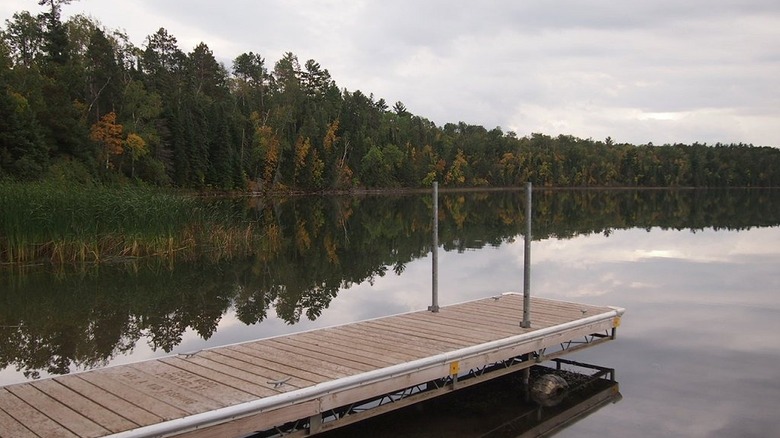
About an hour's drive from Ten Mile Lake, you'll find another of Minnesota's deepest lakes: La Salle Lake, sometimes written as LaSalle Lake (without the space). At 213 feet in depth, La Salle Lake is one of Minnesota's deepest lakes. The 18,600 feet of shoreline offer opportunities for fishing, boating, swimming, and wildlife viewing. Nestled between trees, the lake makes for a beautiful sight. Reviewers report that the park is often quiet and rarely crowded, giving visitors a chance to enjoy nature.
La Salle Lake is surrounded by the La Salle Lake Recreation Area, which has a $7 daily park permit. Located in the small city of Solway, the recreation area is full of pine and spruce forests. Tent and RV camping and cabin rentals are available. Recreation opportunities abound: Along with boating and swimming, dedicated hikers can take the 7.5-mile Challenge Trail for stunning views. (Despite its name, AllTrails describes it as a moderate hike.) Anglers will be happy to know that the lake is particularly good for fishing, thanks to its populations of walleye, bluegill, northern pike, and crappie. One Google reviewer describes La Salle Lake as "one of the most scenic and unspoiled!" adding that the lake is a good choice for vacationers seeking a remote, quiet destination.
Saganaga Lake
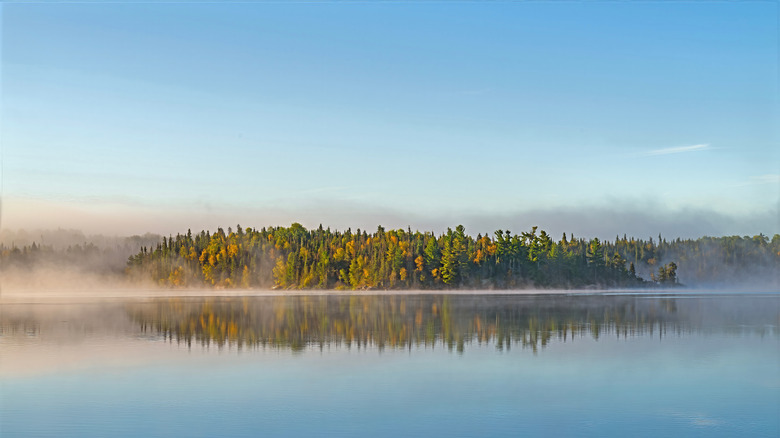
In northeastern Minnesota, at the end of the Gunflint Trail and on the Canadian border, you'll find Saganaga Lake. Nicknamed "Sag," this is Minnesota's deepest lake apart from Lake Superior. With a 280-foot depth, 18,766-acre surface area, and 277 miles of shoreline, this island-filled lake is truly massive. It's also one of the state's clearest lakes, with a visible depth of 11 feet. Lake Saganaga might be best known for its canoeing: it's part of the Boundary Waters Canoe Area Wilderness, Minnesota's island-hopping canoe trail that traverses miles of peaceful lake terrain. Note that reviews say that many routes can be challenging for inexperienced paddlers.
In addition to canoeing, visitors to Lake Saganaga can camp at one of its 78 campsites, go fishing (particularly good near Saganaga Falls), go swimming, and spend time bird-watching or wildlife-watching. Views of the lake are gorgeous, particularly at sunrise and sunset, and in places, you can see the Canadian shore on the other side. Lake Saganaga is truly remote, with little signage, few marked trails, and primitive campgrounds. This makes it popular with serious outdoor enthusiasts, but those who are more likely to stay at a luxury resort should be sure to fully research and prep for their visit. Many visitors say it's worth it; one Google reviewer calls it "One of the most beautiful places I've ever seen!"
Methodology
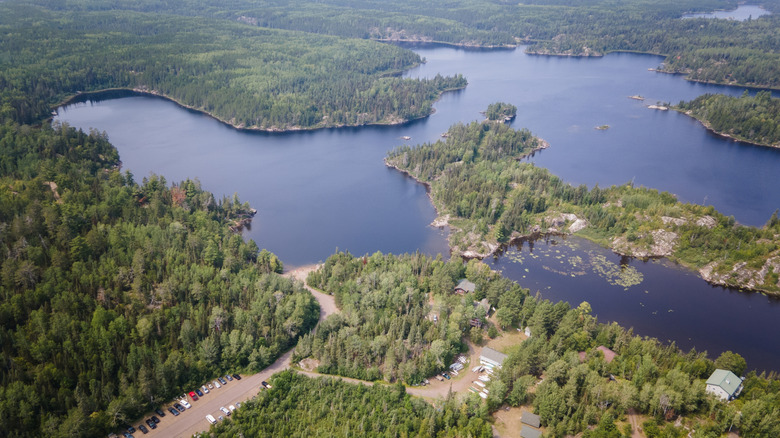
Different sources give different measurements and rankings for the deepest lakes in Minnesota. We reviewed lists compiled by Get My Boat, Only In Your State, and 967 the River. Then, we looked up each lake on the Minnesota Department of Natural Resources' LakeFinder resource to find its maximum depth and selected the five deepest lakes. For the purposes of this list, we excluded former mine systems.