
5 Charming Texas Towns That Could Pass For Europe, According To Tourism Guides
Texas is one of the most dynamic states in the U.S., known for its barbecue, annual rodeos, and state anthem. Despite its strong Texan pride, some cities feel like they could belong on another continent. Several towns boast names borrowed from Europe, like Italy, Texas — though unlike Italy, other Lone Star State districts actually feel rooted in their European counterparts. Florence, San Antonio, Paris, Dublin, and Fredericksburg are five charming cities that truly capture the spirit of Europe in Texas. From expansive vineyards with vine-draped buildings to traditional festivals with authentic German customs, these towns showcase their European heritage through architecture, food, and festivities.
Our data was gathered from Texas-focused guides, city websites, and tourism industry experts spotlighting towns that make the Lone Star State feel like you've crossed the Atlantic. As a former Texas resident now living in Spain, I also have firsthand knowledge of these locales and the European regions that inspired them. The differing landscapes, replicated landmarks, and antique architecture tell a historical narrative, reminiscent of those abroad. Together, these five cities feel like a tour overseas without ever having to book an international flight.
Florence
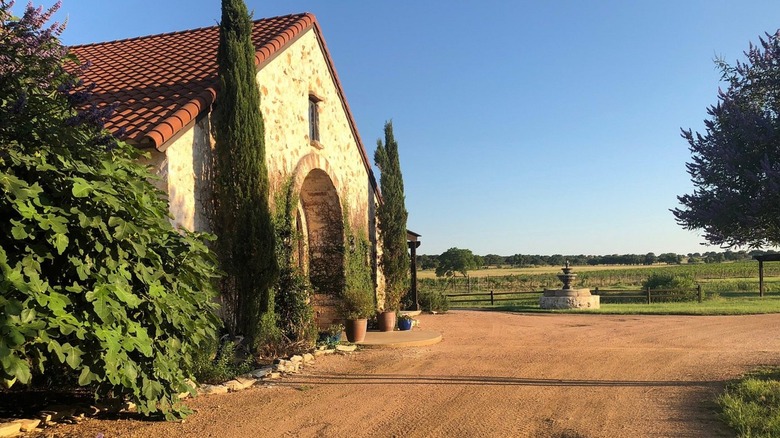
In Central Texas, less than an hour north of the state capital, you'll discover Florence. This small town's city center may not directly compare to the Duomo — more like an Old Western movie set — but just a seven-minute drive east, deep in the town's lush, green plains, you'll be transported to Tuscany. The Vineyard at Florence spans 600 acres and was inspired by a trip to the Italian countryside. Rows of cultivated grapes, vine-covered buildings, and elevated, resort-style lodging might even make travelers forget they're still in Texas. "I've never been to Italy, but I feel like I did this weekend," said one guest on a Google review.
The award-winning vineyard is complete with cypress trees, water fountains, and, of course, wine — just like what you'd experience at Tuscan wineries like Fattoria Montecchio or Casa Emma, minus the rolling hills. Instead, in Florence, Texas, you can expect lakeside views and 9 miles of hiking and biking trails that wind throughout the vineyard. The resort also has subtle nods to Florentine culture, naming one of its rooms after the Florence-born painter, Sandro Botticelli, as well as Leonardo da Vinci. The shift from rodeo culture to vineyard living gives the area a distinctly European feel in the heart of Texas.
San Antonio
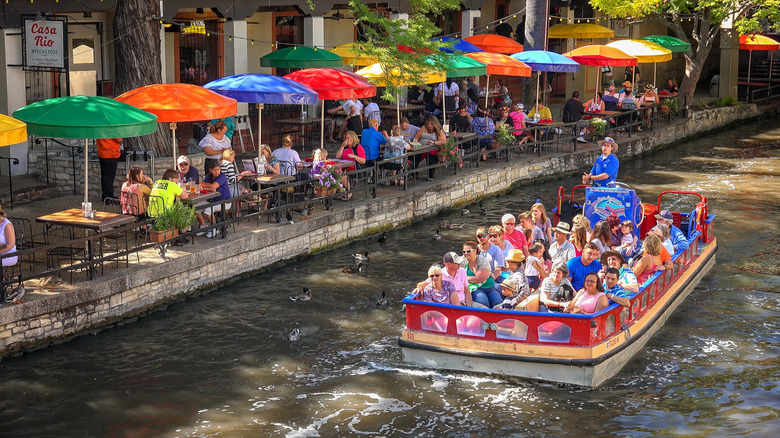
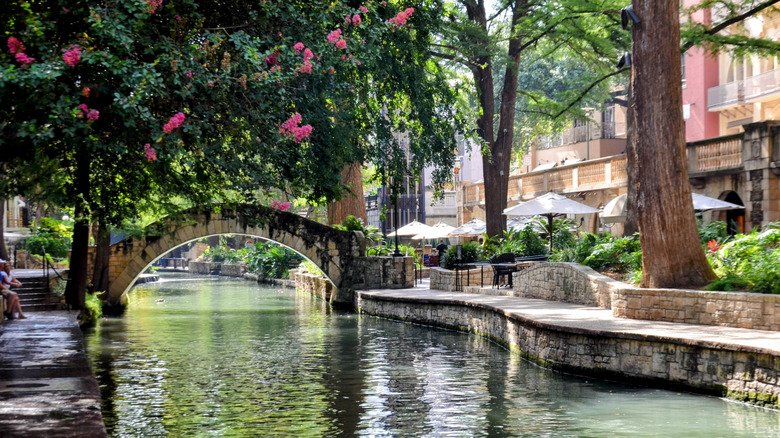
San Antonio, Texas, has a deep connection to Spain, dating back to the American city's role in the Spanish Crown's colonization of the region. Today, the San Antonio Missions — which include the Alamo — stand as UNESCO World Heritage landmarks. While you may think San Antonio resembles Spain, local tourism sites, like Only In Texas, argue that it evokes Venice, particularly the La Villita neighborhood. Some Lone Star State-focused blogs, like Texas Highways, even call it "The Venice of Texas." Located about a 10-minute walk from the Alamo, the district sits on the opposite side of the San Antonio River Walk. It features 27 19th-century dwellings and is listed on the National Register of Historic Places as a Historic District. The neighborhood preserves over a century of history — a trait often found in Western Europe. Even the district's signage, set in a Renaissance-style font, hints at Venetian influence.
When you think of Venice, you picture the winding canals and gondolas that sail through the city. San Antonio's River Walk also has canals that branch off along Villita Street. Stone bridges hover over the waterways, as boats sail beneath, similar to the gondola culture in Venice. Some visitors consider the San Antonio River Walk an overrated tourist trap, but having been to Venice, I can say they're nothing compared to the peak-season crowds along the canals of this Italian city. While the streets of La Villita feature architecture that reflects its Spanish colonial past, the vibrant potted flowers that embellish stone walls and railings along the waterways also give it a distinctly Venetian flair.
Fredericksburg
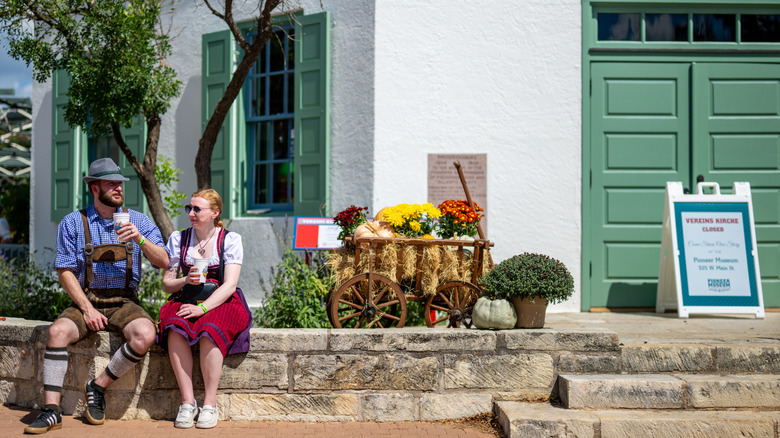
German heritage shines across Fredericksburg, Texas, located just an hour north of San Antonio. It's the second German town in Texas, founded in 1846 by the Aldesverein (Society for the Protection of German Immigrants in Texas). From the town's buildings to its cuisine, travelers can experience German customs in Central Texas. As you walk through the historic downtown, you might see German flags hanging against stone buildings, reflecting its 19th-century origins. Many streets and squares retain German names, including the Marktplatz (Market Square) — the central hub of the historic district. Decorated with a giant water wheel and traditional architecture, it brings a touch of the German countryside to the Texas Hill Country.
Along the marketplace and throughout downtown, foodies can get an authentic German meal. Local bakeries, like Old German Bakery & Restaurant, serve freshly baked pastries and breakfast plates, including Holstein Schnitzel. The town also has craft beer halls, like Altstadt Brewery, which won multiple awards in the Texas Craft Brewers Guild, along with a 2026 Texas Craft Brewers Cup for Brewery of the Year. That being said, Fredericksburg hosts an annual Oktoberfest festival, where participants dress in elaborate lederhosen and dirndls.
Beyond its brews, Fredericksburg is also well-known for its grapes. The area is home to more than 75 of the region's 100 wineries. In fact, parts of town almost feel more Italian than German. Travelers can enjoy tastings on various wine trails and tours, making the food and beverage scene the epicenter of Fredericksburg's tourism. Combined with its scenic German-style streets and rich history, it's one of the most romantic small towns in Texas for a weekend getaway. Fredericksburg's European flair keeps centuries-old German practices alive, all while making visitors feel like they are actually there.
Paris
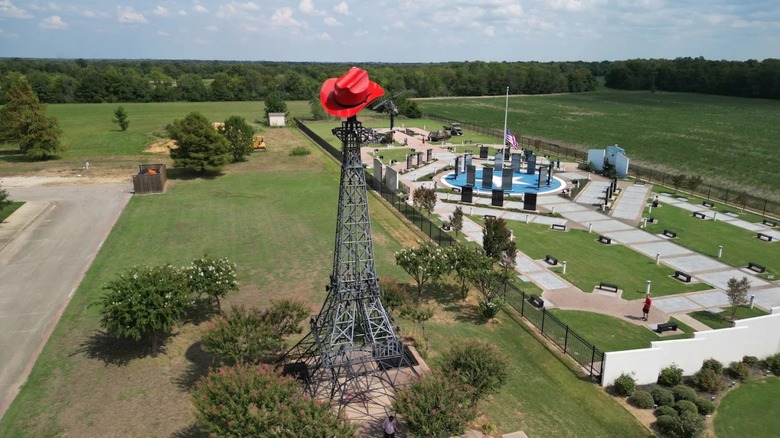
There's a small town in northeast Texas, less than a two-hour drive north of Dallas-Fort Worth, that was recently made famous by the Netflix film, "The Wrong Paris," featuring Miranda Cosgrove. Mainstream media might have put Paris on the map in 2025, but for years, this quaint, charming town has embraced its namesake — with a Texas twist. The city has a replicated Eiffel Tower crowned by a bright red cowboy hat that stands 65-feet, compared to the 1,024-foot-tall original in France. During my visit to the French city, everything felt curated for visitors' eyes, which is exactly what the Texan Eiffel Tower aimed to do. According to Visit Paris Texas, the landmark was built in order to attract tourism, and it ended up landing the city a movie deal, instead!
As the "World's Second Largest Paris," the Texan town has French-inspired bistros, bakeries, and wine bars. These establishments include Vin de Paris and the Paris Bakery, featuring cheese boards, freshly baked croissants, and chocolate eclairs — all items that are a part of the French cuisine. Beyond gastronomy, the town leans into community events that are comparable to those globally known in Western Europe, like the Tour de Paris Bicycle Rally, which was influenced by the Tour de France. The Tour de Paris Bicycle Rally has been around for more than four decades, and draws in quite a different audience than Cosgrove's fans — think athletes, not film enthusiasts. Whether you're interested in rom-coms or finish lines, Paris — the American one — shows how a cowboy-hatted Eiffel Tower can make Texas feel a little more French without the cobblestone streets.
Dublin
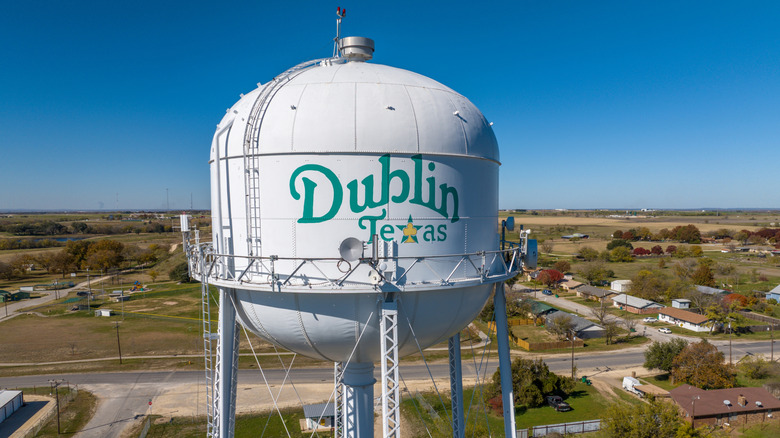
About a two-hour drive southwest of Dallas-Fort Worth lies the Irish-named town of Dublin. In 2005, Governor Rick Perry designated Dublin as the official Irish Capital of Texas, and Irish influence is visible throughout the town. The locale's logo is a clover, and painted greeting signs featuring rainbows and pots of gold add a playful nod to Ireland. The rural area's vast green landscape promotes agriculture — similar to Ireland's reliance on farming and dairy production — and it's one of the top milk producers in the Lone Star State. The farmland in town is beneficial for wineries, too. Lucky Vines Vineyard and Winery grows grapes onsite and holds tasting and events that feature fresh varietals, along with Irish-style cocktails and beer.
Dublin, Ireland, has declared Guinness and Jameson as the city's most iconic exports, but in Dublin, Texas, they're known for bottling of a different nature. The town is home to Dublin Bottling Works, which bottled Dr. Pepper for 120 years. As a former Texas resident, I can say Dublin Bottling Works is as beloved locally as Guinness is in Dublin, Ireland. However, instead of grabbing a Dr. Pepper for a souvenir, visitors can stop by Things Celtic to purchase specialty products from Irish, Scottish, Welsh, Cornish, and Celtic artists in North America. The shop has traditional Irish rings, like claddaghs, and other Celtic-style jewelry. While there might not be the infamous Temple Bar pub in the city, green pastures and Irish pride make travelers feel as though they've stepped onto the Emerald Isle.
Methodology
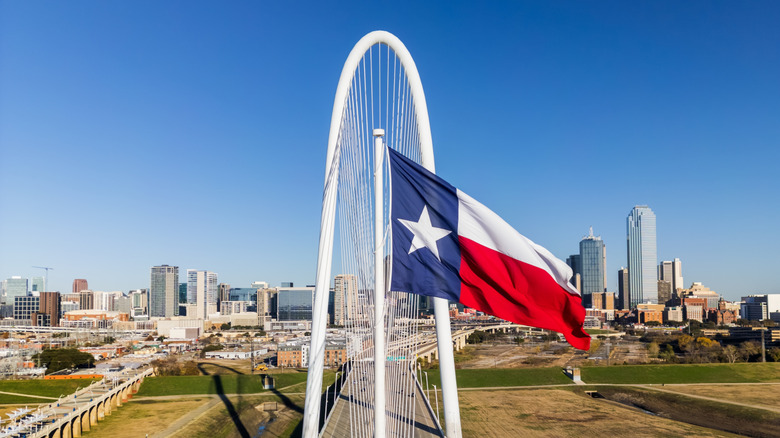
Texas is peppered with European-inspired towns, reflecting its deep cultural and historical influences. We narrowed our list down to five specific towns — both small and large — that best evoke these qualities. Our primary sources included local Texas travel publications, like Fort Worth, Texas Heritage, and Only In Texas, which highlighted towns with European characteristics, whether in their names, attractions, or establishments. Some cities were chosen for their historical or cultural significance, such as the UNESCO World Heritage sites in San Antonio and the state-designated Irish Capital status in Dublin. Others were chosen for their tourist attractions that are heavily influenced by European culture, like the Eiffel Tower in Paris or the Tuscan-inspired vineyard in Florence.
We also compared official city tourism sites to the respective European locales they resemble, to gauge whether travelers might actually feel like they were walking through Europe — a finding supported by Google reviews and personal experience. Finally, we assessed local establishments for food and beverage influence, as well as community events, such as the Tour de Paris and Fredericksburg's Oktoberfest.
Based on these criteria, we concluded that these five charming Texas towns could convincingly pass for Europe, particularly through the lens of their tourism and cultural experiences. While none of these towns are exact replicas, that's part of the appeal. From cowboy hats perched on Parisian landmarks to German beer halls in the Texas Hill Country, each destination proves that you don't always need a passport to experience a touch of Europe — maybe just a road trip across the Lone Star State.