
5 Magical Spring Wildflower Walks You Wouldn't Expect To Find In Florida, According To Locals
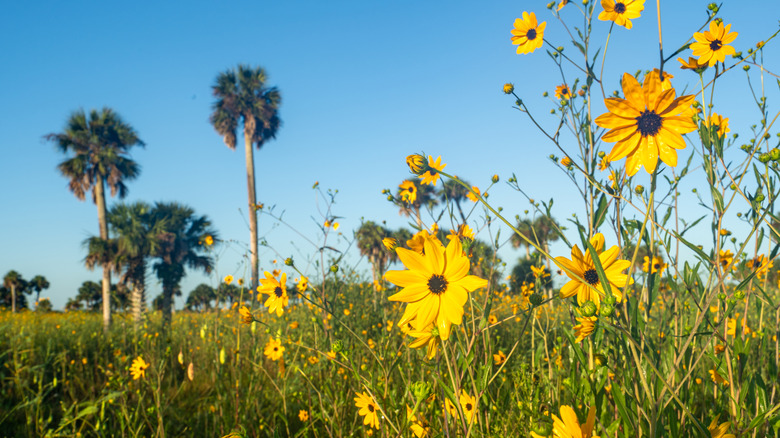
For nature lovers, springtime often means wildflowers, particularly along the many incredible trails in America's many national and state parks. Countless species of native flowers can be found blooming everywhere from cultivated gardens to wild national forests, and while ecologically-rich states like California are arguably the most famous U.S. destinations for wildflower views, the United States has abundant wildflower trails across all 50 states. One of the most surprising states for magical spring wildflower walks is, ironically, known for its sunny climate and warm weather. Though the Sunshine State has a strong reputation for its beaches, wetlands, and coastal climate, Florida also boasts some of the nation's best wildflower hiking destinations during the spring and summer months.
Not that Florida needs much introduction for spring travelers. The state features a largely sub-tropical climate (with some of the state's southern regions entering into full tropical climate territory). Year-round warm weather and abundant precipitation mean prime spring break stops, and, more importantly for wildflower lovers, a lush ecosystem that supports a wide variety of plant life. Such an ecosystem supports native flowers that you wouldn't find in states with colder or more temperate climates.
In the spring, this means a plethora of extravagant wildflower blooms across Florida's public lands, often in a rainbow of different colors from a diverse array of flower species. Though you can probably find beautiful wildflower displays in any Florida park during the spring blooming season, these Florida hiking destinations stand out for their particularly magical spring wildflower walks.
Juniper Springs, Ocala National Forest
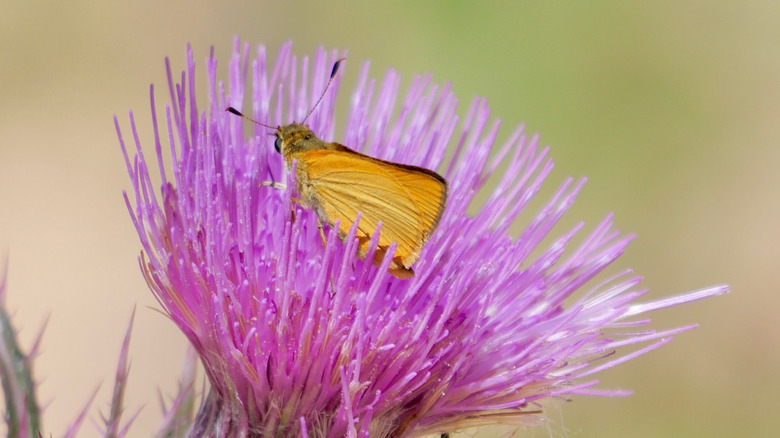
All three of Florida's national forests feature superb nature walks, including many lovely wildflower groves. If you can only pick one, the vibrant Ocala National Forest arguably offers the best combination of diverse wildflower scenery and an overall lush natural setting, particularly in its gorgeous Juniper Springs area. Juniper Springs is part of Ocala National Forest's Lake George Ranger District, with convenient access to both the recreation-rich Juniper Springs Recreation Area and the pristine sub-tropical forests of the Juniper Prairie Wilderness. Such a wealth of resources provides Juniper Springs with a superb blend of biodiversity and excellent hiking infrastructure. In other words, the perfect destination for wildflower viewing in the spring.
The ecosystems around Juniper Springs are rich in prairies, marshes, pine flatwood forests, and even palm jungles. In the spring, the Juniper Run area blossoms in a stunning assortment of jasmine, lilies, azaleas, ludwigia, and other colorful wildflowers. One benefit of Juniper Springs and the Ocala National Forest for wildflower walks is that they contain particularly scenic parts of the 1,500-mile Florida National Scenic Trail (also known as the Florida Trail). Juniper Springs visitors can explore a wildflower-rich area of Juniper Springs via the well-maintained" 10-mile Juniper Springs to Hidden Pond route along the Florida Trail.
Similarly, the nearly 10-mile hike between Juniper Springs and the Farles Prairie Recreation Area is a photogenic jaunt past the park's many wildflower-rich prairies, sand pine scrub forests, and lovely ponds adorned with water lilies. No matter which route you choose, you have a good chance of finding Instagram-worthy scenes of the park's multicolored wildflowers juxtaposed against Juniper Springs' bright green cypress and pine forests and lush blue natural springs. (Note that entry to the Juniper Springs Recreation Area is $12 per person.)
Myakka River State Park
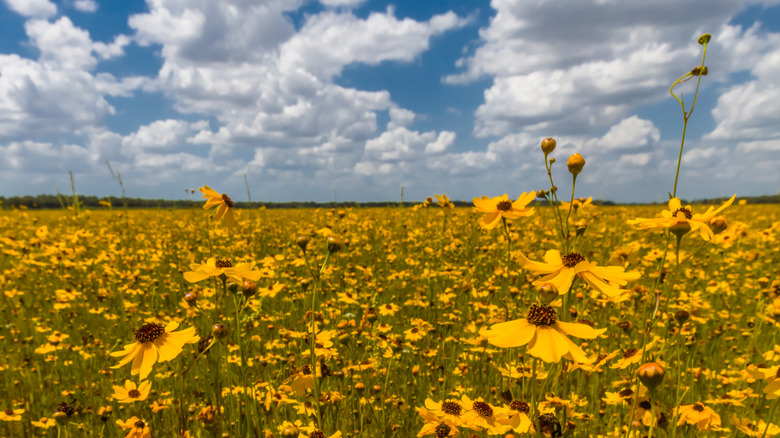
Though it's one of the oldest state parks in Florida, Myakka River State Park still ranks high among Florida eco-tourists for its untouched wilderness, rich wetlands, and majestic wildlife. Though it's a mere 30 minutes east of the city of Sarasota, Myakka River State Park features 58 unadulterated square miles of wetland habitats, pine forests, and prairies around the Myakka River — habitats that also provide a fertile environment for scintillating spring wildflower displays. The park's size and diverse ecosystems mean that visitors can find all sorts of wonderful wildflower walks during their trip. However, if conditions are right, the best option for an unforgettable wildflower walk is Myakka River State Park's dry prairie area.
A "dry prairie" is defined by poor drainage and soil stratification, which can cause the ground here to alternate radically between extremely dry and extremely wet. During times of high water levels, the park's dry prairie blossoms with all sorts of native plants, including the vibrant yellow of coreopsis, or "tickseed," the official state wildflower of Florida.
Adding to the yellow tones of Myakka River State Park's dry prairie are impressive clusters of large, narrowleaf sunflowers, which are particularly adept at growing in the park's dry prairie soils. Alongside these bright shades of yellow are rich blues from prairie iris flowers, soft purples from shortleaf blazing stars, and eye-catching sparkles of red-orange from pine lilies. For the price of the $4 to $6 entry fee, Myakka River State Park offers short, easy routes like the Deep Hole Trail and the William S. Boylston Nature Trail that wind past the park's dry prairie, adorned with spring wildflowers. Alternatively, the 39-mile Myakka Hiking Trail offers a much longer and more immersive tour through the park's diverse ecosystems and abundant wildflower displays.
Kissimmee Prairie Preserve State Park
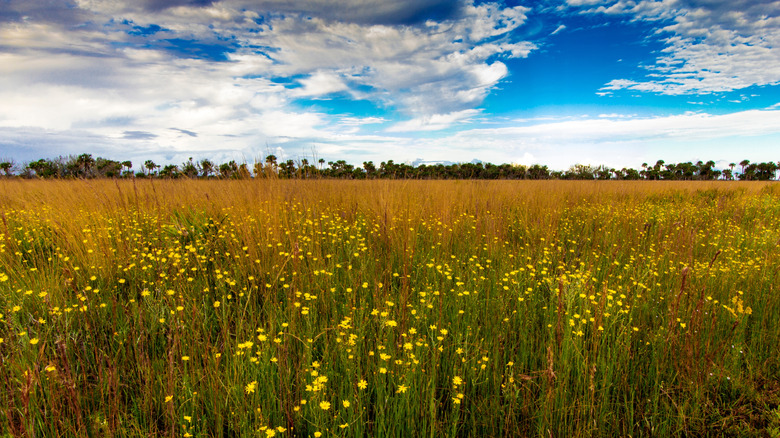
The wildflower walks at Kissimmee Prairie Preserve State Park feature the best open sunshine that the Sunshine State is famous for. Kissimmee Prairie Preserve consists of around 48,000 acres, about two hours south of Orlando, within a remarkable dry prairie ecosystem at the headwaters of the Everglades. Though not as famous as Florida's many wetlands and coastal habitats, dry prairies are much more unique. This type of delicate ecosystem — defined by large, open fields of grasses, flowers, and palmetto plants — is only found in south-central Florida. The wildflower views at Kissimmee Prairie Preserve, therefore, are among the most memorable across the entire country.
The park's complex ecosystem and consistently warm climate mean dazzling displays of wildflowers during each of the four seasons. Specific spring wildflower scenes can vary depending on conditions, but, in general, hikers at Kissimmee Prairie Preserve have a good chance of seeing blazing stars, pipewort, yellow bachelor's buttons, meadow beauty, and the Florida-appropriate alligator lily. A rich diversity of wildflowers means that the park's one-of-a-kind prairie frequently assumes a bright outer layer of yellows, purples, and whites, all speckled across the deep greens of the prairie's grasslands.
Similar to Juniper Springs, Kissimmee Prairie Preserve State Park contains a section of the epic Florida Trail, which serves as the main route for scenic wildflower walks through the park. The most comprehensive walking tour along the Florida Trail covers 20 miles along the Kissimmee River to Bull Creek. Though this hiking route gets high reviews from past visitors (currently sporting a 4.7/5 rating on AllTrails), such a lengthy hike isn't for everyone. If you want a shorter tour of Kissimmee Prairie Preserve's extravagant wildflowers, the 4.6-mile Prairie Loop Trail is packed with gorgeous prairie blooms.
Lake Jesup Wilderness
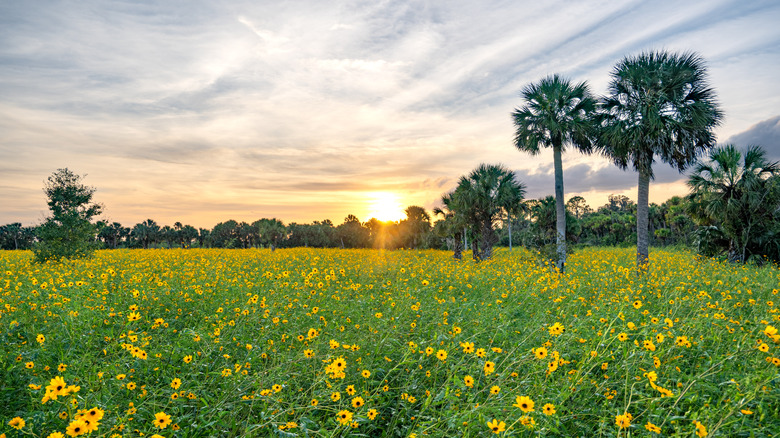
Lake Jesup and its adjacent wilderness area are a miraculous natural treasure right next to the ever-popular tourist city of Orlando. Lake Jesup itself is an 8,058-acre lake just 18 minutes south of the Orlando Sanford International Airport. Among nature-lovers, Lake Jesup is known for its dangerous claim-to-fame of having Florida's largest population of alligators per acre. However, the lake and the stunning wilderness area along its northern shore have plenty of gorgeous natural features without sharp teeth. The wilderness area and the neighboring Lake Jesup Conservation Area largely consist of floodplain wetlands, open prairies, and wooded hammock forests, all ideal incubation spots for many of Florida's indigenous flower species. Much as the lake provides a haven for the largest concentration of Florida's most famous reptile, the marshes and prairies in the Lake Jesup Wilderness Area provide a nurturing home to one of Florida's most prominent native plant species: The stunning swamp sunflower.
Swamp sunflowers (as their name suggests) decorate Florida's swamps and wetlands with radiant layers of golden yellow. Remarkably, the swamp sunflower actually blooms most fully in the fall, rather than the spring, providing fall Florida travelers with a gorgeous yellow display to match the changing leaves of temperate forests further north. Spring visitors can find a more subtle, but more varied, kaleidoscope of colors from yellow black-eyed susans, pink pickerelweed, and other native flowers. Whether you visit in the spring or fall, you can find incredible wildflower walks at the two loop trails circling through the Lake Jesup Wilderness Area that, according to Florida Hikes, create a "4-mile hike amid jungle-like hammocks and expansive prairies." The park's open prairies allow expansive, panoramic views of the extensive wildflower fields growing near Lake Jesup, with many flowers "lining the pathways" for hikers to enjoy.
Shark Valley, Everglades National Park
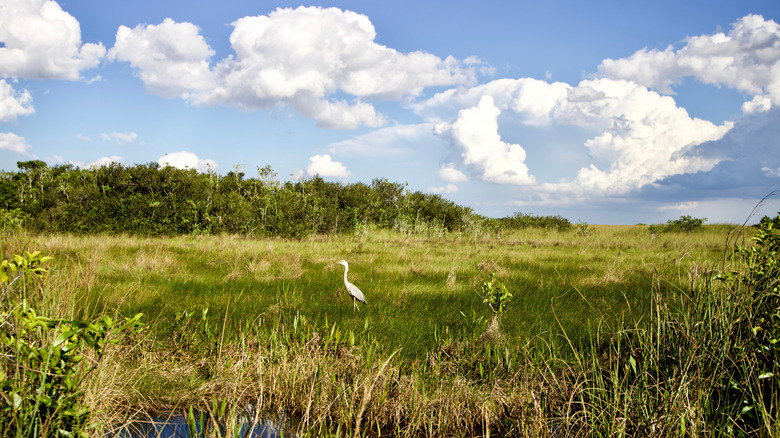
Florida has many extraordinary ecosystems, but only the world-famous Everglades has achieved both national park and UNESCO World Heritage Site status. As America's largest subtropical wilderness, the Everglades has some of the most significant biodiversity in North America. Unsurprisingly, Everglades National Park's extensive botanical treasures also include one of the most comprehensive collections of native wildflowers of any Florida park. Though you can find exceptional wildflower views in any hikeable area of the park, the Everglades' Shark Valley area has the best combination of excellent trail infrastructure and open scenery for ideal wildflower walking tours in the spring. Conveniently, Shark Valley has its own entrance station and visitor center, where you can pay the $20 to $35 entrance fee before visiting the nearby trailheads.
What sets Shark Valley and the broader Everglades apart is their unique confluence of climates and ecosystems. Everglades National Park sits at the intersection of the temperate regions of the southeastern United States and the warm tropical climate of the Caribbean. As a result, Everglades National Park's Shark Valley has plant species from both biospheres, supporting hundreds of species of wildflowers.
Alongside its visitor-friendly tram tours, Shark Valley also has well-maintained trails and an elevated observation tower. Along these hikes, wildflower lovers can find magical shots of white moon flowers and swamp lilies, blue morning glory, purple savanna iris, pink hibiscus, yellow sunflowers, and primrose-willow, and bright-red firewheel, among hundreds more. The 0.8-mile Anhinga Trail is a premier Everglades National Park stroll, featuring beautiful flowers, excellent wildlife viewing opportunities, and a convenient boardwalk. The much longer Shark Valley Tram Trail covers nearly 15 miles of scenic Everglades marshes, with hikers on AllTrails raving about the trail's "amazing setting" showcasing the best of the Everglades' native plants and wildlife.
Methodology
Our methodology for this list focused on two key areas: The quality of wildflower views and the overall quality of specific walking trails. As this is a list of the top wildflower walks, we first researched the specific parks and public lands in Florida with notable wildflower blooms, especially in the spring. Fortunately, for us, Florida's warm climate and fertile ecosystems provide ample spaces for wildflowers to thrive, with both Florida state parks and federally-managed sites drawing particular acclaim for their magnificent wildflower showings each year. The five parks on this list stand out for their large-scale wildflower blooms, the diversity of wildflower species, and excellent wildflower viewing along their major trails.
The second element of our methodology was researching the quality of the trails themselves, independent of wildflower viewing opportunities. To identify specific trails and walking routes within each wildflower-rich park, we primarily looked at information from AllTrails and Florida Hikes. AllTrails is useful not only for finding user-generated lists of top wildflower hikes in states like Florida, but also for seeing how well each trail is rated after cumulative user reviews. Average AllTrails reviews helped us identify which wildflower trails get the best reviews overall, while individual posted reviews helped us highlight specific qualities of the trails (particularly those related to wildflowers) that stood out to individual hikers. Florida Hikes, run by experienced Sunshine State hikers, served as an excellent supplement to AllTrails, as its Florida-localized beat provided much greater local insight into these trails.