
10 Things That Are Unexpectedly Expensive On Cruise Ships
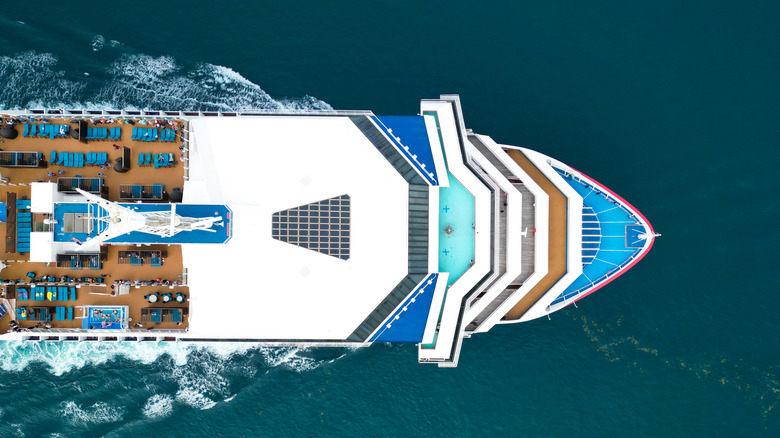
It's not uncommon for first-time cruisers to assume that their base fare is all-inclusive, but in reality, that's rarely the case. While a handful of high-end cruise lines, like the Ritz-Carlton Yacht Collection, Silversea, and Viking, offer all-inclusive vacations, most mainstream cruise brands operate under a business model where passengers' base fare covers their cabin, select dining and buffets, and some onboard activities and entertainment. Premium experiences, alcohol, and specialty dining, though, often cost extra. These add-ons can quickly snowball if you're not expecting them. In fact, not understanding your cruise line's fee structure is among the most common mistakes to avoid when booking a cruise vacation.
It's all too easy for inexperienced cruisers to spend more than expected once they're onboard their ships. What may seem like a great travel deal upfront can feel much more expensive by the time you disembark if you're not aware of how cruise pricing works. That's where this guide comes in. Below, we'll break down 10 things that are unexpectedly expensive on cruise ships, and help you understand what's worth it and what's a total money-waster. The key is knowing your personal priorities and budgeting accordingly. Not every extra is going to be worth it for every travel party, and that's okay! But if you're prepared to pay for add-ons that matter to you, your final bill won't be a shock.
Alcoholic drinks and drink packages
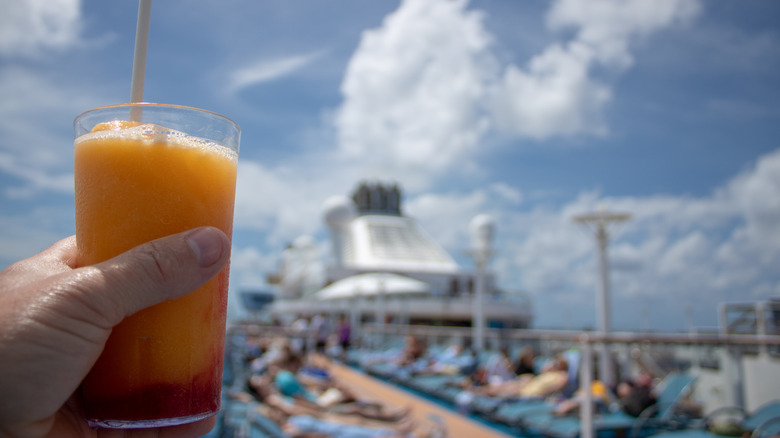
Standard cruise fares very rarely include alcoholic beverages, and paying for drinks individually can add up fast, especially on longer sailings. Cocktails, wine, and beer typically come at premium prices, which means that even a few one-off drinks per day can make a noticeable dent in your vacation budget. To help passengers offset the cost of individual alcoholic drinks, most cruise lines offer drink packages that include either unlimited or per diem beverages for a flat rate. At first glance, cruisers often think these drink plans are a great value, but in reality, there are some good reasons for most travelers to avoid buying a cruise ship drink package. Cruise brands, of course, are for-profit companies, so these packages are often priced high enough that travelers need to consume more drinks per day than they typically would in order to actually break even on their initial expense.
If you are someone who only intends to have one or two alcoholic beverages per day during your trip, it's probably cheaper to buy each drink separately. Furthermore, it's important to remember that on some lines, including Carnival and Holland America, every adult in a stateroom must purchase the package individually, which can quickly skyrocket. On Carnival, one cruiser paid $265.32 for a drink package on a three-day itinerary. If you had two adults in a stateroom, that would cost over $500! In most cases, a couple won't drink over $500 of individual cocktails in 72 hours, so this may not be worthwhile. Additionally, certain cruise lines allow passengers to travel with a limited amount of alcohol, which can lower expenses. Disney, for example, lets guests aged 21 and over board with two sealed wine or champagne bottles or a six-pack of unopened beers.
Specialty dining

Cruise fares almost always give passengers access to a selection of main dining rooms and buffets, but specialty restaurants are another story entirely. These upgraded or experiential dining venues cost extra and are priced as a flat charge or traditional à la carte menu pricing. "But why would people pay for a meal when included options are available?" you might be asking yourself. This is a valid question, but there are a number of reasons. These restaurants typically offer a more upscale experience, some are created by celebrity chefs, and still others offer unique theming that can't be found anywhere else on the ship. In many cases, specialty dining can be a worthwhile splurge, especially for those who are celebrating special occasions or want a romantic date night at sea.
Among the most popular specialty dining options on mainstream cruise lines are Celebrity's Eden Restaurant, which takes diners on a global culinary journey in a garden paradise, Disney's Palo and Remy, which offer Italian and French experiences for adults only, and Royal Caribbean's Empire Supper Club, which allows guests to step back into Frank Sinatra's era for a glamorous night out. Bear in mind that these restaurants are not available on all ships, and other specialty dining options are also available. It's not uncommon for specialty dining to cost $50 to $100 a head for food, drinks, and gratuities. Over the course of a multi-night cruise, doing these meals more than once can become quite costly. Planning ahead and deciding which dining experiences are must-dos for your travel party prevents overspending.
Onboard activities and experiences

Most cruises include a wide variety of activities and entertainment options, such as Disney's Broadway-caliber stage shows and character greets, Royal Caribbean's FlowRider® surf simulators and rock climbing walls, and MSC's Robotron ride, casinos, and 4D theatres. However, in most cases, not every onboard activity is covered upfront. Many cruise lines charge extra for certain experiences, including wine and bourbon tastings, cooking classes, and certain nightlife options. Virgin Voyages, for instance, has add-on fees for experiences like sushi classes, ship tours, and coffee tastings. MSC, meanwhile, charges a $12 fee to enter its nighttime Carousel Club show. Disney has extra fees for things like bingo and alcohol tastings (I have done the bourbon tasting on the Wish and found it worth the money for a date night to discover some brands we'd never tried!)
Families may also encounter additional fees for certain children's programming options. While standard kids' clubs are typically included, some cruise lines charge for specialized experiences or extended hours. Paying extra for certain onboard activities can be worthwhile depending on your priorities, but they also increase the overall cost of a family vacation, so planning ahead is key. Pricing differs significantly depending on the type of activity you're considering and the cruise line on which you're sailing, so it is wise to research your specific line's onboard options ahead of time to ensure you pre-book any necessary reservations and set aside enough money in your budget.
Shore excursions
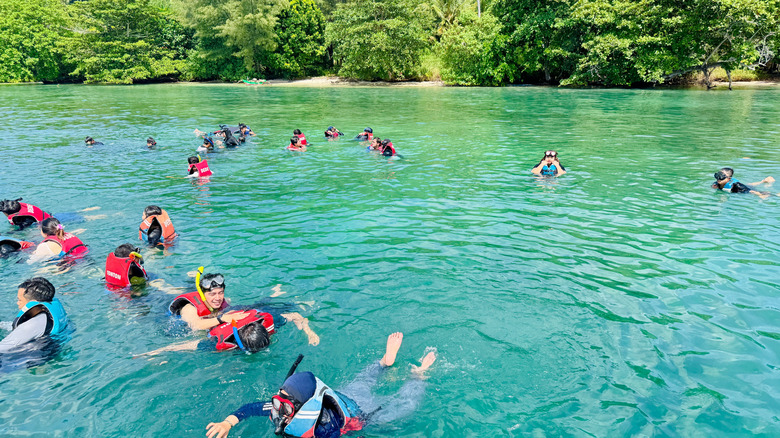
Although cruises are undeniably fun onboard, one of the best things about this type of vacation is that it's very easy to visit multiple ports and experience multiple cultures in one fell swoop. Thus, shore excursions are extremely popular. However, they can also be one of the biggest add-on expenses on a cruise, and the prices can vary dramatically depending on where you're making port and what you want to do. One Royal Caribbean excursion to see World War II beaches in France, for example, costs between $526 and $699 per guest. On Disney, a beginning SCUBA diving lesson in the Bahamas costs $249 per person. And Norwegian passengers can enjoy a glass-bottom boat tour in Acapulco for $99 per traveler. This is just a sampling of the dozens of shore excursions most cruise lines offer in each of their destinations.
Booking excursions through your cruise line is often the most convenient option, as it ensures that your ship will wait for your group if your experience runs late or encounters a problem. For many travelers, that peace of mind is worth the extra cost. However, that convenience often comes with a significant markup. If saving money is a priority for you, though, there is a great shore excursion hack for those in the know. Booking the same excursions and experiences directly through local tour operators often saves significant amounts of money. The trade-off, however, is that independent reservations are riskier if delays or other issues occur. It is possible, for example, that you could miss your ship's departure time.
Gratuities and daily service charges

Gratuities are one of the most commonly overlooked expenses on a cruise. Most cruise lines automatically add a per-passenger daily service charge, which covers things like tipping cabin stewards (who sometimes do fun things like towel animal creations!), dining staff, and other crew. While the amount varies by cruise line and cabin category, these charges can add up fast, especially for large families or long sailings. Carnival's rates are $16-17 per person per day in standard rooms, and $18-19 in suites. And Norwegian costs as much as $25 per person per day in its Haven class cabins. In some situations, too, you might be expected to tip certain crew members separately. On Disney, for example, guests have one server who travels with them through the rotational dining restaurants each night; we tip them at dinner on the last evening of each cruise.
Many cruise lines allow passengers to prepay their gratuities, which helps to avoid a major bill upon disembarking. Some cruise lines also let passengers request gratuity adjustments in both directions (e.g., you could ask to tip extra for exceptional service or to pay a lower rate if you had a poor experience), though policies vary. It's also important to understand what is and isn't included in your line's daily charges. Certain crew, such as specialty dining servers, luggage porters, and spa technicians, may require additional gratuity fees. Researching your cruise line's specific policies is a good way to make sure you budget enough to comfortably cover all of your tips.
Spa treatments and services
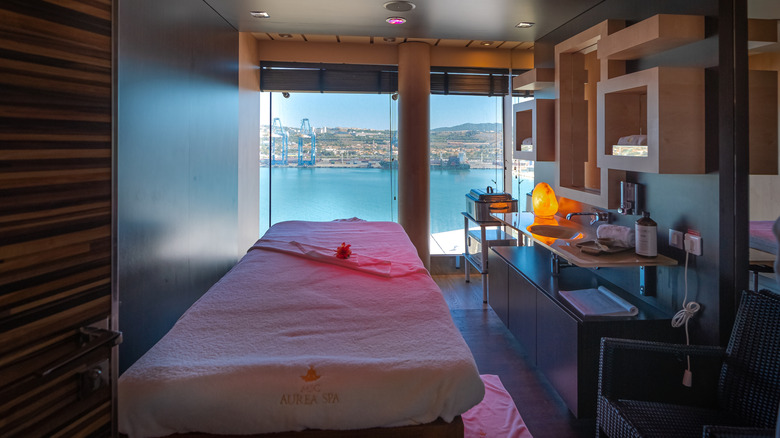
Spa treatments at sea can absolutely be among the most relaxing parts of a cruise, but they can also be extremely expensive. Services like massages, facials, and seaweed wraps are often priced much higher than they are on land. For example, the starting rate for a 60-minute massage can be as much as $150, without any add-on services like hot stones. Custom offerings, like Celebrity's Spa Wave MLW Amphibia® and WellMassage 4D®, or one-of-a-kind experiences like Disney's Rainforest Room, tend to come with especially premium prices. It costs $79 per visitor to visit the Rainforest Room for one session on the Disney Treasure, for instance, or $339 per person for a weeklong cruise pass.
It's also important to remember that additional gratuities often apply to onboard spa treatments, which further increase the final cost. Although cruise ship spas are often designed with high-end finishes, ocean views, and luxury for days, guests sometimes find that the fees lead to more stress than serenity. Those interested in spa services may find that they get more bang for their buck by visiting a local spa in a port town; these facilities often thrive because of tourists' patronage and may have special offers available on days when ships dock. At the end of the day, many cruisers agree that onboard spa treatments are not worth it, opting to splurge a little in port instead. One particular traveler on Reddit shared that they spent about $100 for a hand, scalp, and foot massage at a Mexican spa during a cruise stop.
Professional photo packages
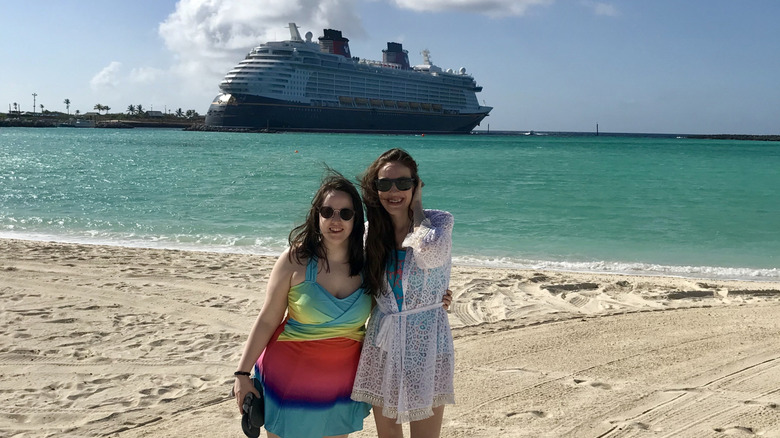
Professional photography is a long-standing cruise tradition. Photographers are traditionally stationed throughout the ship to capture formal nights, port days, and candid moments. While it can be fun to take polished family or couple photos, these packages (and even individual prints) can be quite expensive. On Princess and Royal Caribbean, for instance, the pricing can run around $199 for packages that include 20 images. Furthermore, if you're someone who is picky about how you look in photos, you might only like a few of the images. In essence, you might end up paying hundreds of dollars for just one or two pictures you want to hang in your home. In addition to all of this, some travelers feel the overall style of cruise photography can be a bit dated and tacky.
Families are often asked to pose with backdrops featuring a photo of the ship they're on, or do "prom-like" poses on grand staircases. In an era in which smartphone cameras take high-resolution, professional-quality images, it can make more sense to take your own pictures throughout your cruise. I have never regretted my decision not to purchase a photo package on Disney. During Bahamian cruises, we take our own fantastic pictures with the ship at Castaway Cay or in Nassau, for example. For many other cruisers, this tactic also makes sense, and taking their own photos is more than sufficient, particularly with today's phone cameras at the ready. However, for those who enjoy professional portraits, a picture package can be worthwhile. Just make sure to budget for it before you set sail!
Laundry services

Laundry services can seem like a convenient add-on during a cruise, especially for longer itineraries. If you're like many cruisers, you might think that having laundry options available will make it easy to pack lighter since you'll be able to re-wear items more than you otherwise could have. And, it's true that many mainstream cruise lines offer full-service laundry, dry cleaning, and pressing services. However, the convenience of having access to these services comes at a cost. Pricing and exact service offerings unsurprisingly vary from one cruise line to another, with Carnival charging $15 per load and higher-end lines like Seabourn asking as much as $50 for one load of laundry, with additional charges for ironing or steaming individual pieces.
Even one-off services, such as having a shirt pressed or dry cleaned for dinner on a formal night, may not be as inexpensive as you're expecting. On Celebrity, for instance, dry cleaning costs between $6.50 and $7.50 per item, which can quickly multiply if you have several pieces to send. MSC is similarly priced, with a cost of $7.50 to have a shirt washed and pressed. If you're on a tight budget and need to do laundry, see if your ship has self-service utilities available. Carnival, for instance, has laundrettes where a load costs only $3.50, with an option to purchase detergent for $2.00 extra. Researching the affordability of your cruise line's laundry services before you leave can help you avoid surprise expenses during your vacation.
Specialty coffee, soda, and bottled water

As we mentioned earlier, when we looked at alcoholic drink packages, beverage policies can change dramatically from cruise line to cruise line. What many first-time cruisers, especially, are surprised to learn, though, is that some cruise lines don't even include all soft drinks in their base fares. While basic options like water, brewed coffee, and tea (plus creamer and sugar), and sometimes certain juice drinks like lemonade and orange juice, are typically included, items like specialty coffee drinks, soda, and bottled water frequently come at an upcharge. While the price of each drink individually during your cruise may not seem like much, it can add up, particularly if you're traveling with a larger party.
Disney and Virgin Voyages notably include soft drinks for all passengers. Though it is worth noting that Disney's specialty coffees, such as those sold at Cove Cafe, are an add-on, and sodas are priced separately at bars. Some cruise lines, like Royal Caribbean, offer non-alcoholic beverage packages, but as with alcoholic drink plans, you'll need to consider whether the number of beverages you plan to consume over the course of your cruise will offset the initial cost. Because policies about soft drinks, smoothies, coffees, and teas differ so much between cruise lines, it's important to review what is and isn't included on your line of choice before you embark. This way, you can budget accordingly and enjoy your favorite non-alcoholic drinks to your heart's content.
Wi-Fi packages
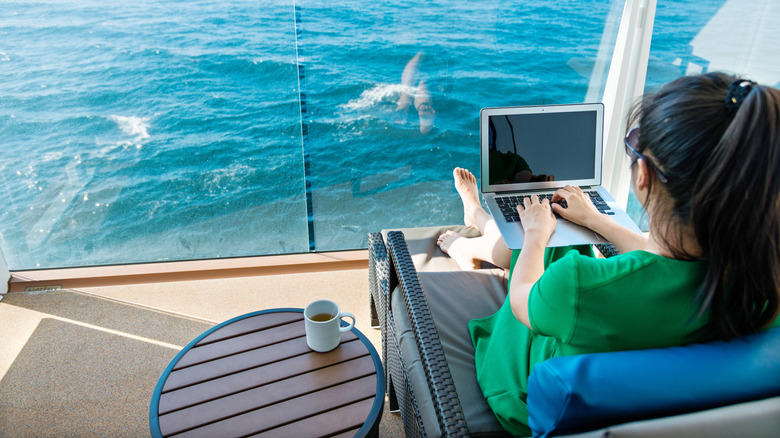
Wi-Fi access on cruise ships has improved significantly lately, especially as working remotely at sea full-time has gained popularity. Nonetheless, it can still be a fairly expensive onboard extras depending on the length of your cruise and how much bandwidth you require. Most cruise lines offer several internet packages designed to meet different passengers' needs, typically ranging from basic messaging plans to streaming video packages that allow for work calls and watching movies. Some cruise lines charge a daily rate for access, which can be good for travelers who don't need to be online every day, while others require passengers to pay for a complete WiFi package for the duration of their sailing. Disney charges $30 per day for connectivity for a single device, while MSC's seven-day cruise plan is priced at $126.58 for one device.
Travelers who need to stay connected for work responsibilities, childcare communication, or contact with family may be surprised by their final onboard Wi-Fi bill. If you need access and have a strict budget, some cruise lines offer a discount for pre-payment. Since cruise ship internet pricing and performance differ from line to line, and even ship to ship, in some cases, it's important to carefully consider your connectivity needs before you commit to a package. For some travelers, unplugging during a cruise is actually part of the appeal, while others may find that they still need to be connected for practical reasons. No matter which camp you fall into, figuring out your cruise line's WiFi pricing ahead of time is a smart move.
Methodology
To put together this guide, I relied on a variety of high-authority cruising websites, including cruise lines' official websites, Cruise Critic, Cruzely, Eat Sleep Cruise, Royal Caribbean Blog, and The Points Guy. I also turned to conversations on Reddit, Quora, and planDisney for other travelers' personal experiences with different cruise lines. Finally, for Disney Cruise Line details, I relied on my own knowledge as a frequent Disney cruiser and Castaway Club member.