
This Cozy Dallas Neighborhood Is A Walkable Gem With Cute Cottages, Green Spaces, And Historic Homes

There's much to do in Dallas to keep any visitor to the city occupied and happy. From excellent hole-in-the-wall burger joints like Twisted Root Burger Co. to newly-established outdoor recreation spaces like Palo Pinto Mountains State Park located just outside of the metropolitan area brimming with scenic landscapes and trails, the Pegasus City, as it's sometimes affectionately called, has tons to offer when it comes to food and hiking. However, if you're the kind of traveler who's also interested in appreciating historic homes and architecture, visiting local parks in walkable neighborhoods, and doesn't mind venturing a little further out, you'll definitely be interested in visiting Vickery Place in northern Dallas.
Located just five miles from the city's downtown neighborhood, Vickery Place was once enveloped in cotton fields. It was the introduction of streetcars in 1888 that led to the population boom in not just this neighborhood, but in others in Dallas' city limits as well. As one of the earliest suburbs of the city, houses designed in several different architectural styles from the early-to-mid 1900s can be seen in the neighborhood.
Vickery Place's roughly 7,000 residents don't just benefit from living in a neighborhood full of historic homes and tasteful architecture. They also benefit from being in a neighborhood that is very walkable, so you can use that to your advantage and walk down the neighborhood's pretty tree-lined streets and take in the architecture at your leisure. With a walkability score of 77 according to Walkscore, Vickery Place earns a spot in the list of Dallas' top ten most walkable neighborhoods. This also means that the plethora of shops, restaurants, and parks located close to Henderson and Greenville avenues are easily accessible to residents of the area, without them having to worry about the headache of finding parking.
Appreciating Vickery Place's historic and eye-catching architecture
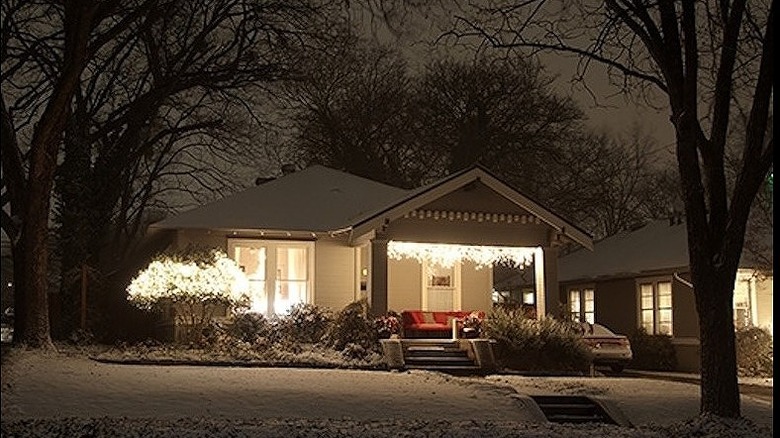
Texas is no stranger to neighborhoods with historic homes within the confines of some of its larger cities. This is true of San Antonio's beautiful Monte Vista neighborhood with its walkable streets, impressive homes, and cute cafés, and it's certainly true of Dallas' Vickery Place as well. So much so that the neighborhood was designated with the City of Dallas Conservation District status in 2006. Vickery Place boasts one of the largest collections of 20th century homes in all of Dallas, and its Conservation District is confined to the area bordered by Goodwin Avenue on the north, Greenville Avenue on the east, Richard Avenue on the south, and Laneri Avenue to the west. A drive or stroll down streets within this area will showcase these architectural styles as reflected on homes that are primarily one or two-story constructions.
The most prominent architectural styles in the neighborhood include Craftsman, Tudor, Spanish, Colonial Revival, and Prairie. The very first style to be built in Vickery Place was actually in the Prairie style. Take a walk down Vickery Boulevard to appreciate some of the stunning Prairie-style homes — built between 1902 and 1930 — and notice the large windows, hipped roofs, extended eaves, and exteriors constructed of brick. In case you're wondering, strict guidelines do, in fact, remain in effect for residents wanting to make renovations to their houses in Vickery Place, given their historic significance and not-so-common styles.
The Craftsman Bungalow (1906-1925) and Tudor (1900-1940) styles are also commonly seen on visits to the neighborhood. The guiding principle behind the Craftsman Bungalow architectural style is one of simplicity and this is characterized by gabled roofs, wide porches, and fireplaces located on exterior walls, among other characteristics. The Tudor style harkens back to images of homes in rural England. However, even if you've seen houses built in this style before, what makes them unique as seen in Dallas is the use of lighter colored bricks. Shallow eaves and fireplaces located in areas of the house so as to exemplify the chimney as a prominent design choice are other notable characteristics of this style. Although Vickery Boulevard certainly has some Tudor homes, you can find more if you take a walk down Goodwin Avenue or Miller Avenue.
Local parks and green spaces in the area

Located a short 20-minute walk from Vickery Place is Glencoe Park. Open from the wee hours of the morning until 11 p.m. at night, this 14.1 acre park features outdoor basketball courts, a rugby field, softball field, and a tennis court. It also has drinking fountains and picnic tables, so you can find a spot and relax having walked around exploring the area's historic homes. Visitors to Glencoe Park have also commented that the park is dog-friendly and never overly crowded. Some others, though, have complained that one major facility missing at Glencoe Park is that there are no restrooms, so do keep that in mind during your visit.
Also located close enough to Vickery Place to walk to is Tietze Park. Once you complete the 25-minute walk, you can explore the park's trails. Tietze Park also has Wi-Fi and a pavilion, so you can sit in some shade and beat the day's heat. Established in 1924, the park remains open until 7 p.m. every day of the week except Tuesdays when it's closed all day. Tietze Park offers yet another insight into how the neighborhood's residents make the most of their green spaces.
Getting to Vickery Place from downtown Dallas takes under 15 minutes if you're driving. If you're taking public transportation, on the other hand, it would take about 40 minutes or so. Looking for accommodations that would continue on with the theme of historical significance and refined architectural elegance in true Vickery Place style? That would be a stay at The Adolphus in Dallas' Downtown Historic District. Over a hundred years old, this hotel goes above and beyond opulent accommodation experiences.