
Pennsylvania's Botanical Garden In Pittsburgh Is A Stunning Escape With Lovely Seasonal Flowers And Collections
Western Pennsylvania's "Appalachian Paris," Pittsburgh, is well-known as a sports lover's paradise. Locals and seasoned travelers may also know about the city's excellent cultural offerings, including the quirky Mexican War Streets neighborhood brimming with eclectic art and American history. But Pittsburgh offers far more than its black-and-gold sports teams and walkable, historic streets.
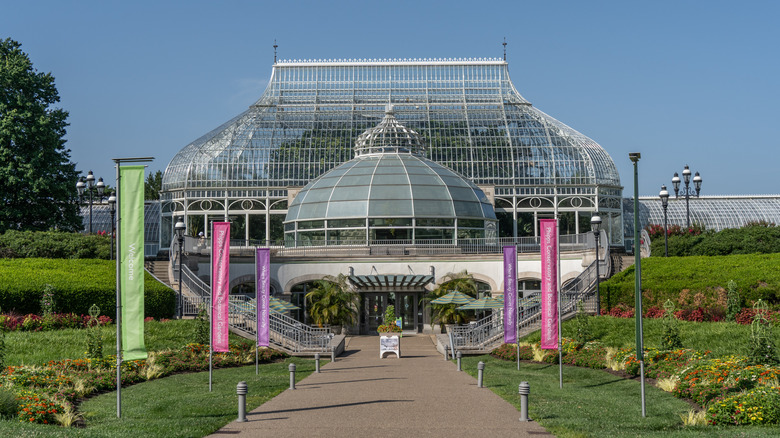
Ironically, one of the Steel City's most striking attractions is about as far from the smoke and metal of a steel mill as you can get. Phipps Conservatory and Botanical Gardens is a peaceful escape for nature lovers, featuring diverse plant collections, gardens, and botanical displays housed in one of the world's most notable examples of greenhouse architecture. With walkable paths and well-cultivated displays, Phipps offers visitors a vibrant floral alternative to the surrounding urban landscape.
Phipps Conservatory is open Saturday through Thursday from 9:30 a.m. to 5 p.m., and Friday from 9:30 a.m. to 10 p.m. Admission requires a timed ticket, with adult entry priced at $22.95 as of this writing (discounts may apply). Located in Pittsburgh's Oakland neighborhood, Phipps sits near both the University of Pittsburgh and Carnegie Mellon University. It is about half an hour away from Pittsburgh International Airport. It is also surrounded by the urban forest of Schenley Park, whose greenery is visible through the conservatory's glass walls. Inside, visitors will find colorful displays year-round, along with a café, gift shop, and educational programs.
Phipps Conservatory is a year-round botanical paradise
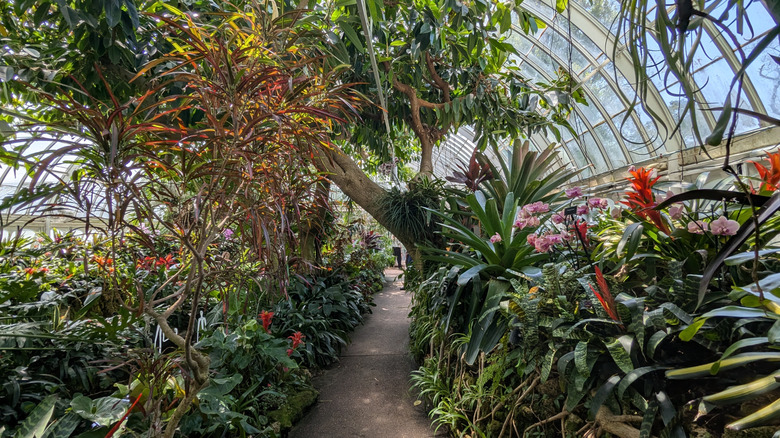
Established in 1893, Phipps Conservatory has served as a green oasis for more than a century. Though it's one of the oldest public gardens of its kind, it's also surprisingly modern. Today, Phipps is recognized as one of the greenest buildings in the world, incorporating advanced renewable innovations while preserving its Victorian glasshouse aesthetic. The campus spans 15 acres and includes 14 glass-encased rooms and more than 20 distinct garden spaces, most of which are wheelchair-accessible. The building features a butterfly-shaped layout, and many rooms are organized by plant type or ecosystem, allowing visitors to move through themed environments without missing anything or having to circle back.
Permanent collections include orchid, desert, tropical fruit and spice, and fern rooms, among others. The multilevel Tropical Forest Conservatory serves as the largest indoor space, integrating a self-contained tropical climate with botanical and aquatic features. Insect lovers will delight at the small but immersive Stove Room and its live butterflies on view from spring to fall. Outside, Phipps features extensive gardens with herbs, medicinal plants, and bonsai collections.
Phipps Conservatory's permanent collections are not just limited to plants. Art is woven throughout the conservatory, too. Displays range from historic pieces dating to its 19th-century founding to modern glass art by artists such as Dale Chihuly and Hans Godo Frabel. Whimsical adornments — including model trains, miniature waterfalls, and artificial volcanoes — add a playful touch to the botanical setting.
Phipps shines with floral magic from season to season
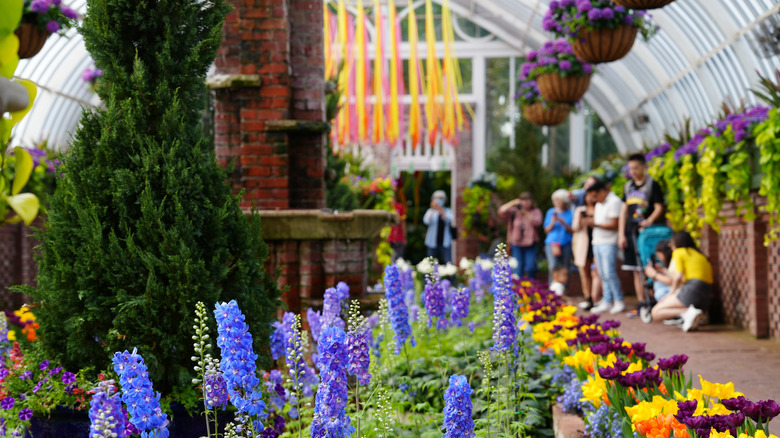
Phipps also hosts seasonal flower shows throughout the year, each one carefully cultivated to highlight the colors, atmosphere, and spirit of a particular season. Its Spring Flower Show has been a consistent highlight of Pittsburgh's springs since 1894. Displays of brightly colored petunias, daffodils, and other blooms create vibrant indoor landscapes that rival the best outdoor wildflower displays in the world. In 2026, the spring show's theme is "True Colors," highlighting a wide range of hues and plant varieties. During this time, many of Phipps' individual greenhouse rooms assume a vibrant facade of spring colors that match the theme and the season's warm character.
Summer shows often feature family-friendly concepts like "Alice in Wonderland" and "Jungle Quest," while the Fall Flower Show shifts to tranquil tones. Alongside its canvas of oranges, reds, and yellows, it emphasizes themes such as Visions of Japan and Rhythm and Bloom (where each room's floral design is inspired by a different musical genre). Meanwhile, winter brings a holiday-themed display, with rooms and botanical exhibits adorned in lush Christmas-themed colors and a scintillating holiday light display.
Beyond these events, exhibits continue to evolve. The Tropical Forest Conservatory rotates its featured region approximately every 3 years. In 2026, the focus is on Panama's ecosystem, following past themes that explored regions such as Hawaii, Cuba, the Congo, India, the Amazon, and Thailand. No matter when you go, however, you'll find a stunning collection of flowers, art, and botanical beauty.