
Just Outside Chicago Is Illinois' Peaceful Prairieland With Scenic Trails Filled With Wildlife
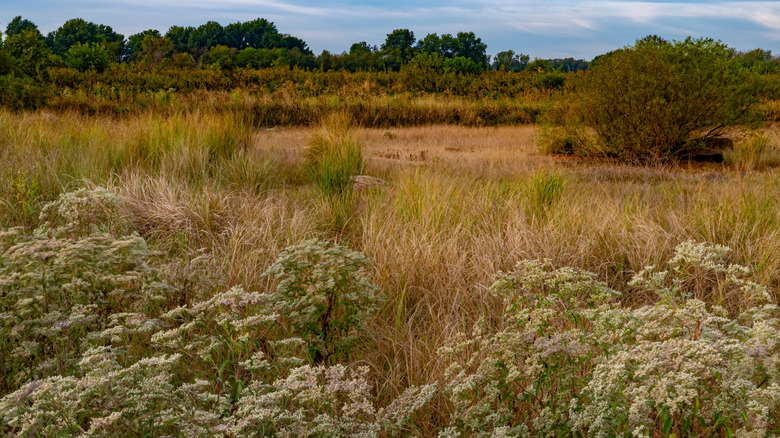
The state of Illinois once had 22 million acres of prairie, but the majority of this was gone — mainly lost to agriculture — by 1900. However, there are still pockets of prairie land that remain around the aptly named Prairie State. One of the best ways to experience this beautiful natural landscape is with a trip to Goose Lake Prairie State Natural Area, close to the quaint Illinois city of Morris and about an hour drive from Chicago.
With 2,537 acres, Goose Lake Prairie is the largest remaining prairie in Illinois. Over half of the prairie is a designated nature preserve, so it's a peaceful and quiet place. The landscape here is a mix of marshland, tall grasses, ponds, and colorful wildflowers. Tall prairie grasses constitute 60% of the prairie, while broad-leaved flowering plants make up 40%. There are hiking trails to enjoy, and many opportunities for spotting wildlife around the site, plus a reconstructed cabin to visit.
Discover scenic trails and wildlife at Goose Lake Prairie
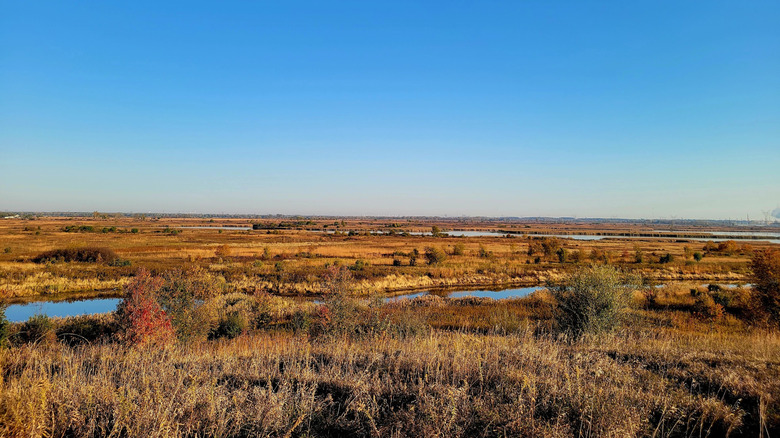
There are 7 miles of trails at Goose Lake Prairie State Natural Area, where you can explore the countryside and soak up the pretty views. The 3.5-mile Prairie View Trail is one of the most popular — it takes visitors to the highest point in the area, with scenic panoramas of the prairie, marsh, and mine areas. One AllTrails user reported, "the view at the end was really scenic and peaceful," while advising of wet ground on the trails after rain. While hiking, see the prairie grassland on the Tall Grass Nature Trail, which has the biggest stand of tall grass prairie left in the state. The Sagashka Trail showcases different habitats, and you'll likely see waterfowl here.
One of the main reasons to visit Goose Lake Prairie is its access to wildlife. Deer, red fox, beavers, badgers, coyotes, and rabbits all call the prairie home, along with frogs, turtles — including snapping turtles — snakes, butterflies, and the rare papaipema moth. Birdwatching is very popular here, with some 260 species sighted in the area. You may see kestrels, hawks, and owls, along with migrating songbirds like warblers, great blue herons, and egrets. Waterfowl like ducks and geese live in the wetlands, and if you're really lucky, you might spot a kingfisher or Henslow's sparrow.
Practical information for visiting Goose Lake Prairie
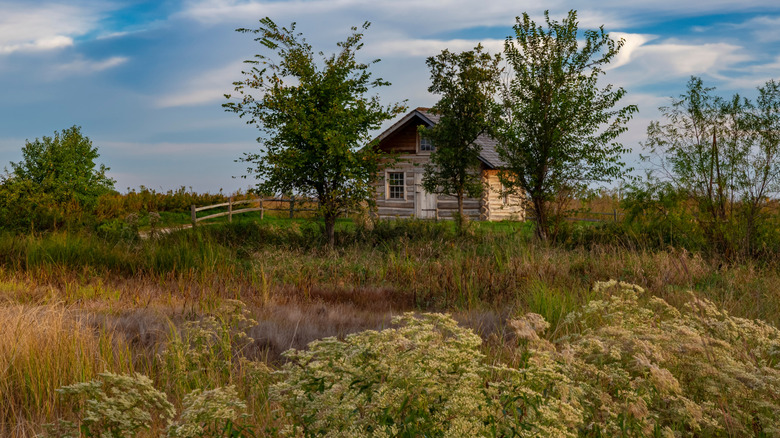
Besides the prairie's trails and wildlife, you can't miss stopping at Cragg Cabin. This is a reconstructed cabin, based on the 1830s original that was located a few miles away near Mazon. The first cabin was used as a rest area for cowboys and travelers, who herded cattle between St. Louis and Chicago. Goose Lake Prairie used to hold a Cabin Festival each year; however, the 2025 festival was canceled, and at the time of writing, the festival's future is unsure. The visitor center is closed indefinitely, so there are no bathrooms available at the site, but there are two picnic areas for relaxing. Illinois DNR does not charge entrance fees for its sites, so Goose Lake Prairie is free to visit.
There is no camping at Goose Lake Prairie, so overnight visitors should look elsewhere for accommodation — Morris is a 10-minute drive away, or Channahon State Park offers camping along with canoeing and is a 20-minute drive. Goose Lake Prairie State Natural Area is just a 1-hour drive from Chicago, so it's certainly possible to visit as a day trip from the Windy City. Chicago O'Hare International Airport, the most-connected airport in America, is the closest major airport for visiting.