
Pennsylvania's Once-Thriving Oil Town Is Now Just Abandoned Paths And A Visitor Center For Tourists
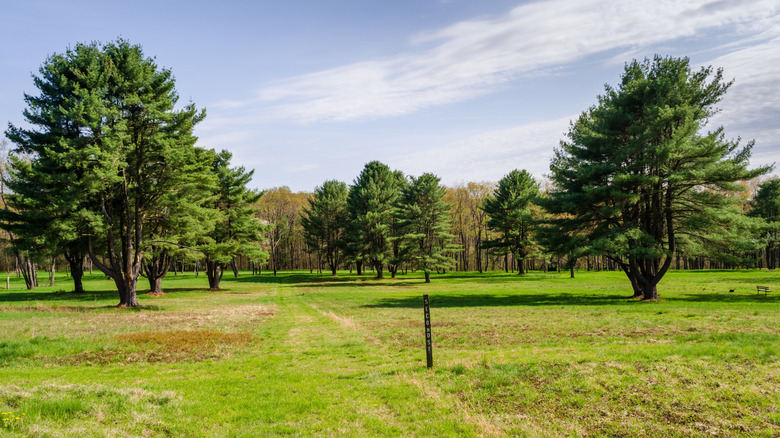
When you think of oil towns and the quest for black gold, Texas likely comes to mind. After all, it's the largest producer of crude oil in the U.S. However, Pennsylvania experienced the first oil rush in the country in 1859. To learn about one oil town that burned particularly bright and then disappeared, visit Pennsylvania's Historic Pithole City.
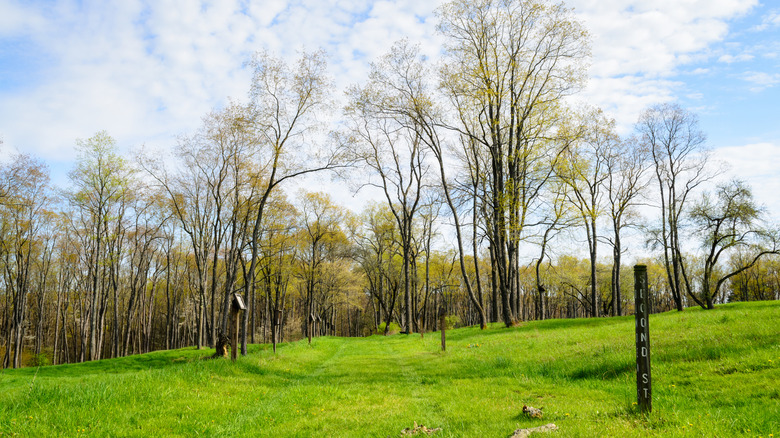
Once Ian Frazier's United States Oil Company located oil along Pithole Creek in 1865, news spread quickly across the country. "Boarding houses, hotels, and businesses of all kinds went up overnight," writes the Drake Well Museum and Park. "Oil drillers and speculators, gamblers and business owners, and women and men looking for work made up the 15,000 people living in the area by that fall." However, the boom collapsed as quickly as it started, and by 1867, production had dropped from 3,600 barrels per day to only 1,000. Pithole City had been drained of all it was worth, a total of 3.5 million barrels. Today, all that's left are grassy paths where roads once stood, but visitors can learn about Pithole City at the visitor center or explore the area on foot.
Situated in the state's aptly named Pennsylvania Oil Region, Historic Pithole City lies just outside Titusville, the epicenter of Pennsylvania's Oil Rush where Edwin L. Drake's oil discovery fueled years of exploration. Pithole City is about a 2-hour drive from Pittsburgh.
Things to do at Historic Pithole City
Visitors can learn about the town's glory days at the Pithole Visitor Center, a small yet well-curated museum jointly run by the Pennsylvania Historical and Museum Commission and Friends of Drake Well. The museum features a model of what the town looked like, bringing to life Pithole's 1,100-seat theater, 57 hotels, banks, and businesses of all sorts. Showcasing over 200 tiny buildings, it even includes charred ruins representing the 17 fires that incinerated wells and parts of the city.
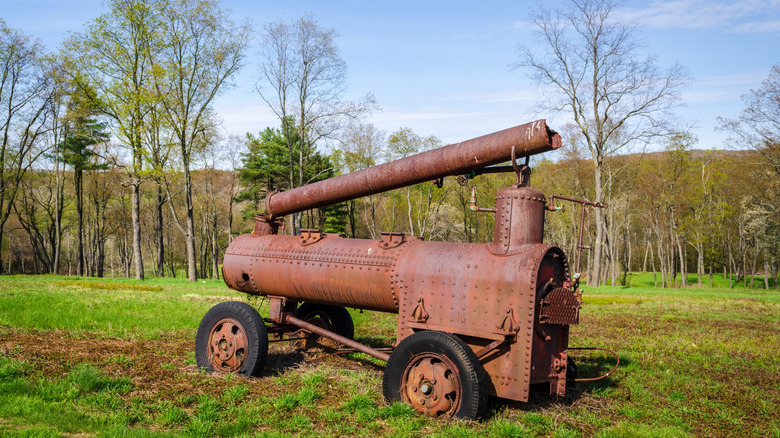
Before exploring the exhibits, build a foundation for what you're about to see with the center's 15-minute orientation movie. It contextualizes Pithole City within the Pennsylvania Oil Rush and the state's role in the modern oil industry. Next, check out the collection of artifacts, including antique machinery, with its components all labeled so you know what you're looking at. Visitors can also take a peek at the reconstructed Office of the Grant Well, a small structure that once occupied Pithole City.
After exploring the visitor center, take a walk in the grassy fields and imagine what this boom town must have been like in its heyday. The historic site is only 90 acres, and it's certainly not a hiking destination like Warren, the "Gateway to the Allegheny National Forest" about an hour away, but you can enjoy views of the surrounding woods. You'll also encounter several informative plaques and see a historic pumpjack.
Planning your visit to Historic Pithole City
Before making the trip out to Pithole City, there are a few things that will make your visit easier. Although the outdoor area is open year-round, the visitor center is only open Saturdays and Sundays between June and August. You'll want to plan your visit during the visitor center opening hours, 10 a.m. to 4 p.m.
Exploring the visitor center and grounds likely won't take very long. However, you can turn a visit to Pithole City into a larger excursion by adding a stop at the Drake Well Museum and Park in nearby Titusville, a town blending historic train rides and river charm. This museum displays the largest artifact collection on the inception of the modern petroleum age and is a sister site to Pithole City. In addition, make a stop at McClintock Well #1, about a 15-minute drive from Pithole City. This well dates back to the Pennsylvania oil boom and still produces oil to this day.
Check the Drake Well Museum's calendar for events at any of these three historic sites. For instance, Historic Pithole City hosts "lantern tours," which feature an evening of reenactments with historic figures from the oil era. This event happens every October and only lasts one day. Continue your discovery of Pennsylvania's petroleum past with a trip to Oil Creek State Park's scenic trails and ghost towns, just 15 minutes from Pithole City.