
Forget Florida, Retire To This Other Southern State With Warm Beaches And A Better Cost Of Living
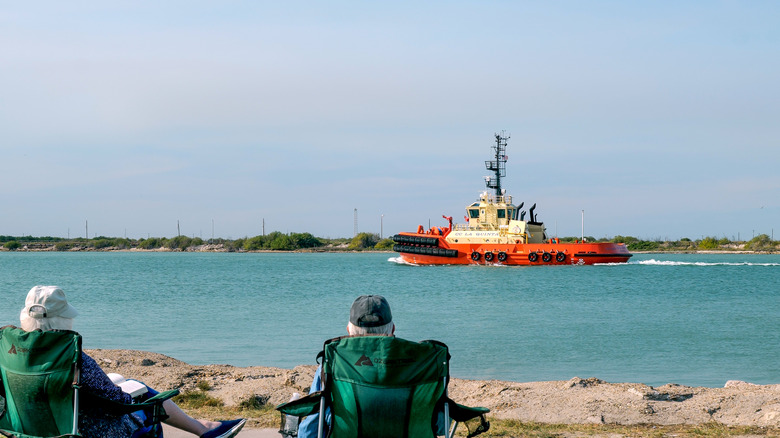
What are the first five phrases that come to mind when you think of Texas? If you haven't spent much time in the Lone Star State, you might answer this question with "oil," "cowboys," "steak," "Hill Country," and "The Alamo." Non-residents might add more words to this list before getting to "beaches" or "water." This is kind of funny when you think about it — after all, Texas boasts 3,300 miles of shoreline, including 367 miles of sandy beaches. That's a lifetime of swimming and sunbathing, so beach lovers wouldn't be crazy for retiring on Texas' Gulf Coast.
Nearly 400,000 people moved to Texas in 2025 (via The Texas Tribune), and according to AARP, that included 24,000 Americans aged 65 and up. After Florida, Texas received more new retiree residents than any other state. Yet there are many possible motivations for coming here over Florida. For one thing, a retiree can expect generally cheaper expenses, with housing prices that are (on average) $100,000 less expensive than in the Sunshine State. There are also more dynamic seasonal changes. And, like Florida, Texas doesn't levy personal income tax for full-time residents.
And just like Florida, there's plenty of waterfront: Places like Galveston and Rockport are famous beach towns, with well-developed tourism scenes and plenty of local dining. If you're looking for something a little bigger, Corpus Christi is home to some 300,000 people and boasts the scenic Bayfront Seawall (free to stroll), the South Texas Music Walk of Fame (also free), and the South Texas Botanical Center ($8 for seniors), among other attractions. Need something smaller, instead? Visit Laguna Vista, Texas's Gulf Coast town near the Mexico border, a serene escape with sunset views and nearby beaches.
Discover great ways to explore the Texas Gulf Coast
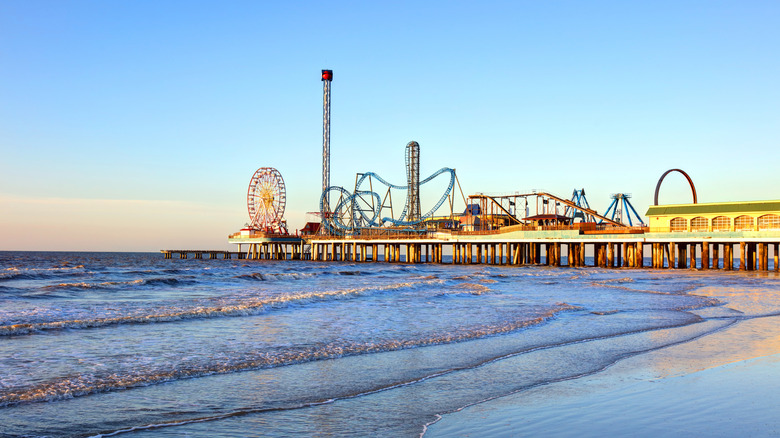
Retirees could spend months exploring the communities, estuaries, and barrier islands of this sprawling Gulf Coast shore. The Pleasure Pier in Galveston has thrilled visitors with carnival rides since the 1940s; seniors can walk the pier for a reduced fare of $10.50 and pay $6 per ride. The best Gulf Coast restaurants specialize largely in seafood, and many maritime activities, such as The Original Dolphin Watch on South Padre Island and the Texas State Aquarium in Corpus Christi, can accommodate any age or level of mobility.
If you're on a first-time expedition and are thinking about a future beachfront home, consider an extraordinary Gulf Coast road trip full of beaches, nature, and cozy stays, which will take you about 400 miles along the water and hit most of these stops along the way. This route makes for easy driving, as the terrain is almost perfectly flat. Plus, each segment is dotted with small towns where you can stop for fuel, snacks, and a stretch.
Texas is massive and diverse; even this swathe of coast is only one part of it. For folks thinking of moving there, the region does have some drawbacks. Local healthcare systems score fairly low compared to other states, ranking No. 32 by U.S. News (while Florida ranked No. 21). Also, you can expect a major hurricane to make landfall about every six years or so. To learn more about the area, check out our roundup of the best beach resorts in Texas.