
Nestled On The California-Oregon Border, The Cascades' 'Everglades Of The West' Is A Birdwatching Haven
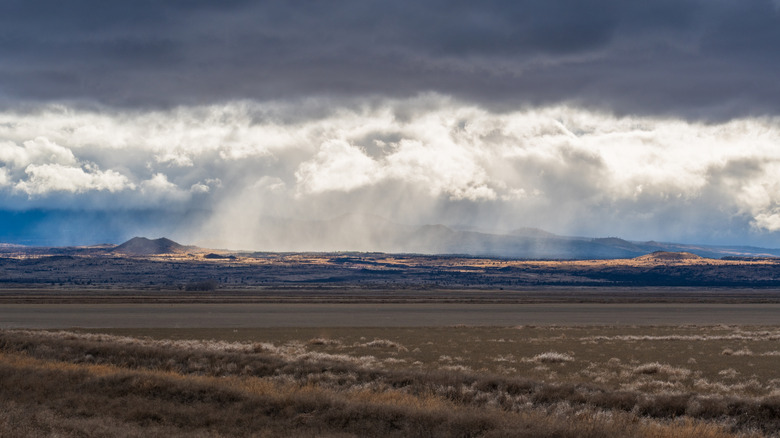
One of the most underrated spots in the Pacific Northwest's dramatic Cascades is not a towering mountain peak at all, but rather a large and complex river basin. The Klamath River and its surrounding landscape pass through northern California and southern Oregon, across a basin of around 12,000 square miles. This biodiverse basin of wetlands, forests, and fertile ecosystems supports thriving communities of plant and animal life. Aspiring birdwatchers, sightseers, and nature lovers of all kinds can explore this remarkable ecosystem in the federally-managed Klamath National Wildlife Refuges complex, where the unsung wetlands of the Pacific Northwest forge a beautiful, biodiverse environment that has earned the telling nickname of the "Everglades of the West."
Unlike Florida's singular Everglades National Park, the Klamath National Wildlife Refuges consist of six separate preserves, all managed by the U.S. Fish & Wildlife Service. As these six wildlife refuges extend into both California and Oregon, the whole complex showcases some of the most underrated natural sights in two states that have far more famous scenery elsewhere. The area's status as the Northwest's "Everglades" means some of the best birdwatching opportunities one can find in either California or Oregon. Beyond birdwatching, the Klamath National Wildlife Refuges highlight the extraordinary Klamath River, known as the "river that came back to life" after nearly being lost to damming. It also features the biodiverse Klamath Mountains that often get overshadowed by the nearby Cascades.
The California-Oregon border has six connected wildlife preserves
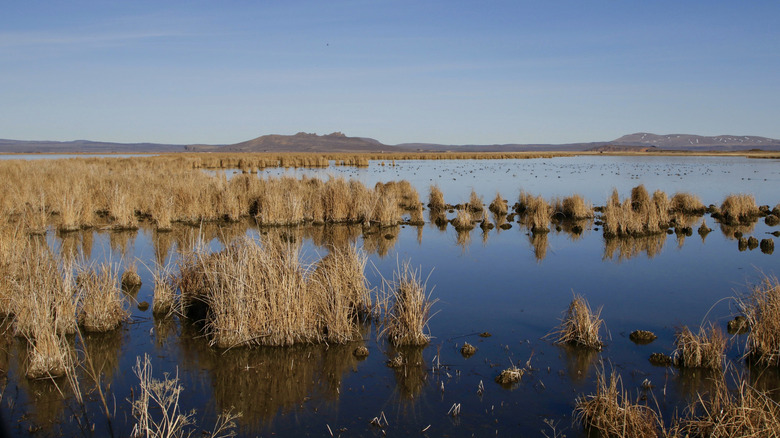
Though they're far from The Sunshine State's warm subtropical climate, the Klamath National Wildlife Refuges have biodiverse wetland ecosystems comparable to those of the underrated wildlife communities of the Florida Everglades. Together, the six wildlife refuges represent the largest wetland habitat west of the Mississippi River. Despite the complex's current size, the entire wetland network is only around 25% of the much larger collection of lakes and marshes that once covered the Klamath Basin. After decades of damming and drainage, today's wildlife refuges provide essential federal protection for what remains of this critical ecosystem — and for the many birds that call it home.
The Klamath National Wildlife Refuge complex currently features three sites in Oregon, two in California, and one in both. The Lower Klamath National Wildlife Refuge extends across the rich marshes and grasslands along the California-Oregon border, about 26 miles south of Klamath Falls. Further north, Oregon's Upper Klamath National Wildlife Refuge protects about 23,000 acres of freshwater wetlands on the northern shores of Upper Klamath Lake. Elsewhere on the Oregon side, the Klamath Marsh and Bear Valley national wildlife refuges showcase different aspects of the Klamath Basin's fertile ecosystem. Klamath Marsh protects a lovely expanse of bird-rich meadows, and Bear Valley features woodlands of ponderosa pine and fir trees.
In California, the Tule Lake National Wildlife Refuge contains many of the wetland habitats around Tule Lake, which serve as an essential stopover habitat for migratory birds. Finally, the Clear Lake National Wildlife Refuge consists of the uplands around the Clear Lake reservoir, an important water storage reserve for the Klamath Reclamation Project. Essentially, all six refuges protect a distinct element of the region's rich biodiversity.
Enjoy birdwatching around the Klamath National Wildlife Refuges
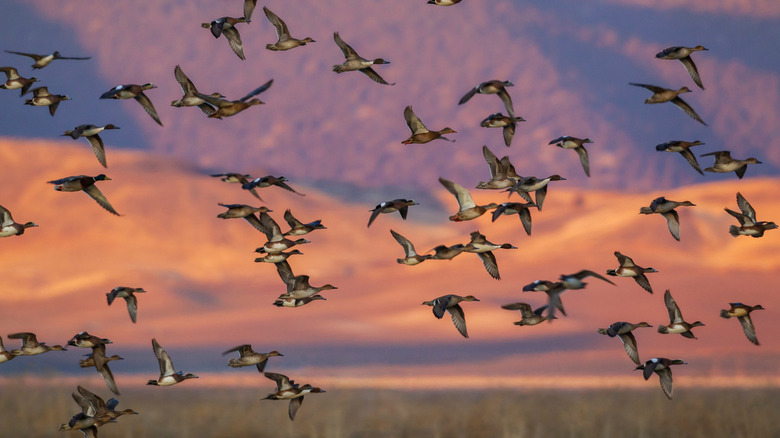
Aside from its fabulous farm-to-table dining, the Klamath Basin is known for its mountains and wild beauty. It's no surprise that the region's wildlife refuges are among the best spots for birdwatching near the Cascades. Much like the Everglades, the Klamath National Wildlife Refuges are home to hundreds of migratory and non-migratory bird species. Notably, these wetlands are a major stop on the Pacific Flyway, an epic avian migratory route that extends thousands of miles along the Pacific Coast from Alaska to Patagonia. Somewhere between 75% and 80% of the Pacific Northwest's migratory birds stop in the Klamath Basin each year, providing ample shots for birdwatchers and plenty of diverse species to add to a birder's life book. The refuge complex is especially well known for its notable population of wintering bald eagles, the largest outside of Alaska.
The six separate wildlife refuges offer birdwatchers options among several interconnected ecosystems. While Bear Valley's forests are attractive to wintering bald eagles, the wetlands of Upper Klamath, Lower Klamath, and Klamath Marsh are perfect for viewing waterfowl, shorebirds, and other wetland-dependent birds like swans, geese, herons, cranes, and more. The Klamath Basin's wetland habitats also attract various species of hawks, falcons, kestrels, pheasants, wrens, and owls (among many others).
The Klamath National Wildlife Refuges and the surrounding Klamath Basin have miles of excellent birdwatching trails. Visitors also have the option of birdwatching right from their car on a 10-mile auto touring route across the diverse wetlands around Tule Lake and Lower Klamath. Drivers can access the auto tour on a 30-minute drive from Klamath Falls, via the Lower Klamath Lake Road and California Highway 161, with ample views of the nearby mountains as a backdrop.