
Here's Why Pittsburgh Is Called 'The Paris Of Appalachia'
We may receive a commission on purchases made from links.
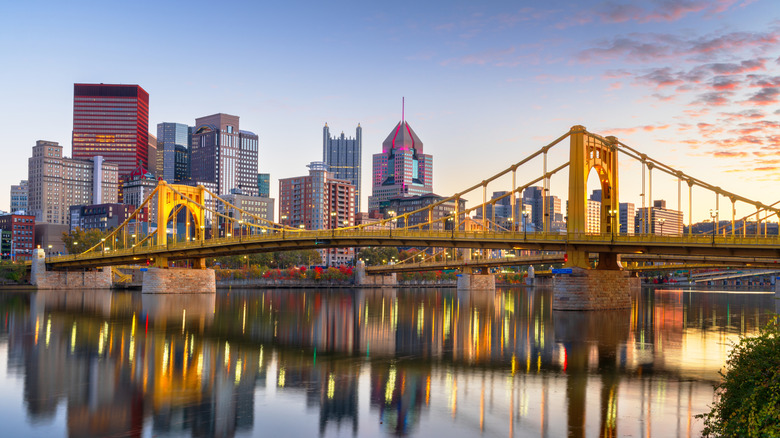
The vibrant city of Pittsburgh, Pennsylvania, goes by a lot of nicknames thanks to its quality of life enjoyed in the foothills of the Appalachian Mountains. Home to the Penguins, Pirates, and Steelers, it's often called the "City of Champions" for its sports fandom. Its three rivers and 446 bridges also make it "The City of Bridges." And, its affordability and attractions make it one of America's most livable cities. One Pittsburgh reference that may strain credulity is "the Paris of Appalachia," touted by a group of local college librarians who promoted the region's arts a few years ago for an industry conference. It's also the title of a recently reissued book by author and former journalist Brian O'Neill, a title once overheard on a local bluegrass radio broadcast.
You would think this slim volume of 152 pages is a put-down by a born and raised New Yorker, but it's actually a tribute to the city where O'Neill now lives, exploring its past and present, and its pros and cons. No doubt, its best stamp of approval comes from Pittsburgh native and actor, Michael Keaton, who says, "This is a terrific book. This guy gets it." O'Neill takes the reader on Pittsburgh's journey — its fall from industrial preeminence as a steel titan, its struggle as a "city of smokestacks, smog and grime," and its decline in population to its status today as criminally underrated while at the same time investing in the AI revolution. It's an arc that can be compared to Paris' historic struggles, once the center of Enlightenment and production that became a stinky and eventually war-torn city, to one today facing over-tourism and a population exodus.
Like in Paris, the arts abound in Pittsburgh
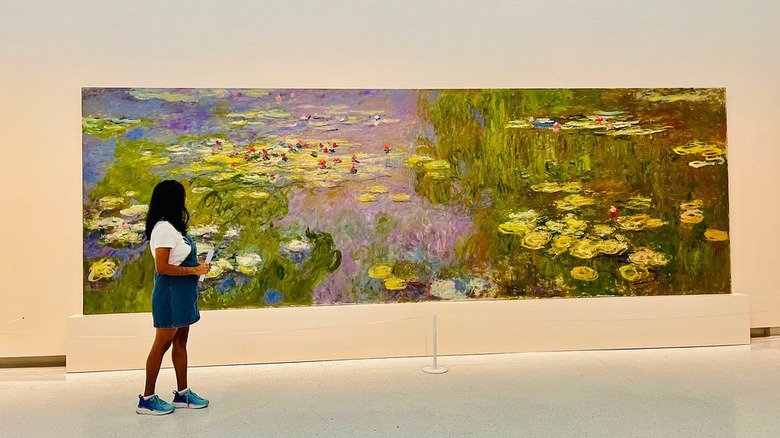
Pittsburgh has its own versions of the Louvre, making it a dream come true for art lovers in America. This is thanks in part to one of its great patrons and steel revolutionary, Andrew Carnegie. The Carnegie Museum of Art, Pittsburgh's "crown jewel" of museums, brings the world of French Impressionism to visitors with one of its most famous paintings, "Water Lilies" by Claude Monet. Pop art fans can also appreciate the Andy Warhol Museum (another Pittsburgh native son) and his soup cans. The city also boasts the best-ranked history museum in America, the Senator John Heinz History Center, named in honor of another great Pittsburgher from the prominent Heinz family.
Celebrants of the arts, including symphony, opera, ballet, and live theater, will get their fill in Pittsburgh. While its pedigree may differ from the opulent, neo-baroque Palais Granier opera house in Paris, commissioned by Napoleon III, Pittsburgh Opera, housed in a former brake factory, is home to six productions a year, along with free events and sunset soirees. It seeks to make the art form accessible to all with tickets as low as $15 and free childcare on Sunday matinees. The city also touts many architectural marvels reminiscent of Paris, such as its Beaux Arts-style Carnegie Library of Pittsburgh.
When it comes to athletics, the City of Light is no slouch. The Tour de France is the world's biggest annual sporting event, hosting nearly 200 cyclists in their more than 2,000 miles of racing, and Paris Saint-Germain has been dominating in European soccer. Likewise, Pittsburgh is a sports epicenter with beloved hockey, baseball, and football teams. This love affair with sports even led to the creation of an entire museum devoted to its teams, found within the Heinz History Center.
Pittsburgh is on the move
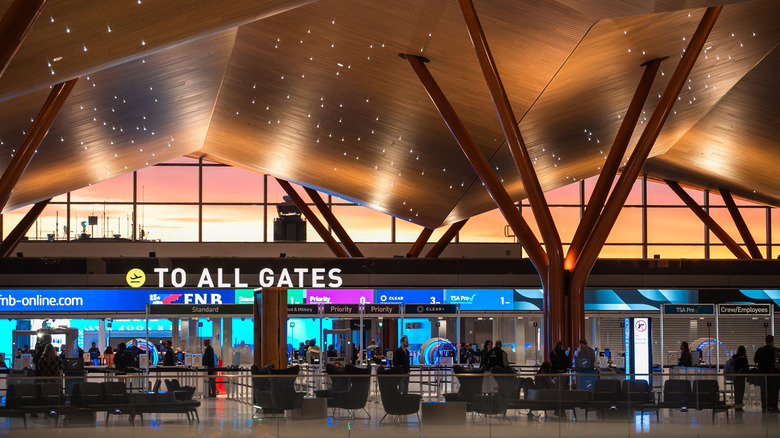
Pittsburgh continues to be a city on the move as it invests in its infrastructure to retain its residents and attract new talent. It's in the midst of a massive $600-million downtown revitalization project, converting vacant office buildings into housing and providing grants to spur more outdoor dining. In step with the nation's airport glow-ups, the city unveiled a recent $1.7 billion airport terminal upgrade. And, the Brookings Institution recently ranked Pittsburgh as one of 14 "emerging centers" for the AI economy — these "centers" were chosen in part based on the availability of a skilled workforce and widespread adoption of the technologies. Universities like Carnegie Mellon and the University of Pittsburgh are helping drive that growth, especially in robotics and artificial intelligence. Much like Paris, Pittsburgh has reinvented itself from an industrial powerhouse into a modern hub for culture, technology, and education.
The historic city of Paris is also making strides to be 21st-century relevant. Its preparations for the 2024 Summer Olympics included cleaning the Seine River, modernizing its transportation system, and investing in neighboring communities with new venues that could be later used for housing. The event was considered a success amid an iconic backdrop as Paris seeks to reconfigure its city.
These two cities with storied pasts also work to keep their history alive. Paris completed a $760 million restoration of its nearly nine-century-old Notre Dame Cathedral, which reopened to the public in 2024 after a fire. In the Millvale neighborhood of Pittsburgh, conservationists are helping revive the vibrant, detailed murals at the St. Nicholas Croatian Catholic church, created by artist Maxo Vanka in 1937 and 1941. Indeed, with one foot in the past and one foot in the future, Pittsburgh and Paris stand on foundations rich in culture, industry, and reinvention.