
Montana's Chain Of Lakes Boasts An Underrated State Park To Swim And Camp In Mountain Beauty
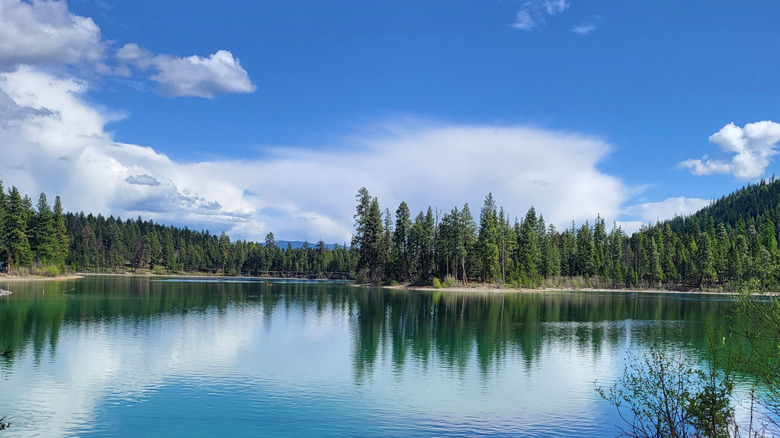
If you're really trying to get out and explore nature, Montana is one of the best states in which to do it. With a total population of around 1.1 million, much of the Big Sky State is remote and undeveloped, meaning you can really connect with the wilderness without fighting crowds. Although places like Glacier National Park get a lot of attention, there's a chain of lakes along Highway 2 that are definitely worth visiting. And one of the best ways to do that is to camp at Logan State Park.
This park is actually part of the larger Thompson Chain of Lakes State Park, and it's centered next to Middle Thompson Lake. While you can explore the area during a day trip, it might be better to stay overnight at one of the 37 campsites. This way, you have plenty of time to enjoy all of the lakes and can explore the surrounding area.
Another advantage of visiting this park is that it's pristine and uncrowded. According to data from the Montana Fish, Wildlife, and Parks Department, only around 33,000 people came to Logan State Park in 2024, so you can enjoy the scenery and feel like you're in a private sanctuary. Let's dive in.
What to expect at Logan State Park in Montana
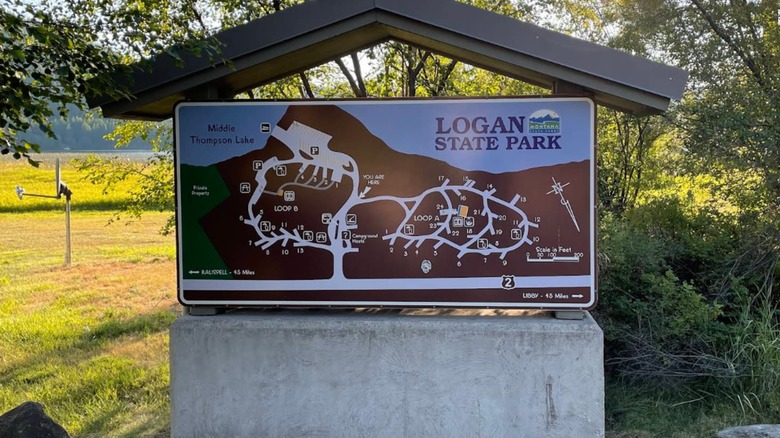
Although this park is technically located in Kalispell, aka the "Gateway to Glacier National Park," Logan State Park is actually about 50 minutes west. So, before heading to this relatively remote locale, make sure to bring sufficient supplies. In addition to food and water, you'll also want to bring the right gear to enjoy the lake next to the park. As you might imagine, the most popular activities to do here include swimming, fishing, and boating. Both motorized and non-motorized boats are allowed on the water, and there are a dozen boat slips you can rent online for added convenience.
Because the park itself is at an elevation of over 3,000 feet, the water in the lake is often chilly, so plan accordingly when taking a dip. As expected, summer is the best season for swimming, as spring and fall might be a bit too cold for some visitors. However, you can check current lake temperatures online at sites like LakeMonster.com. According to one reviewer, there is a swimming section blocked off, so you don't have to worry about boats getting too close.
But beyond the lake, the scenery is equally impressive. The park, and really the whole area, is surrounded by forests and mountains, helping enhance the experience. In fact, thanks to the low light pollution and its location, you can see the Northern Lights from the park. Typically, winter is the best time to view the aurora borealis, so if you don't mind freezing temperatures and snow, you can plan your trip around this celestial event.
How to make the most of your trip to Montana's Chain of Lakes
Realistically, the best way to reach Logan State Park and the Chain of Lakes is to fly into the Glacier International Airport and drive about an hour southwest. Along the way, you'll pass by McGregor Lake, a breathtaking hidden gem that also offers camping, fishing, and wild views.
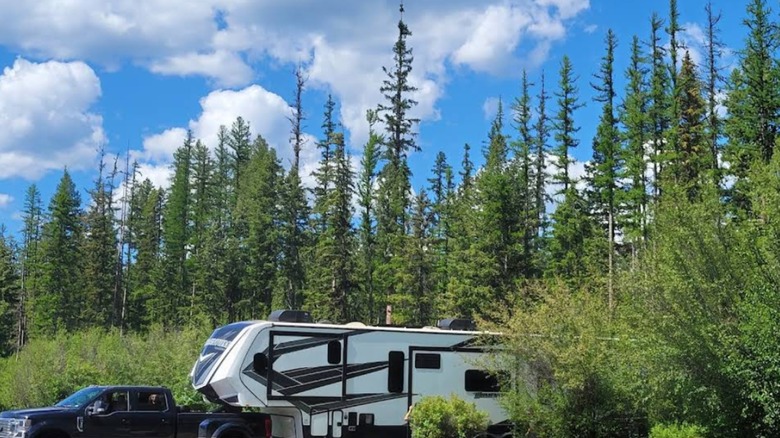
Camping at Logan State Park is highly flexible, as there are no tent-only campsites. This means you can camp inside your car, rent an RV, or pitch a tent, based on your preferences. RVing is a fantastic option, as the park offers basic amenities such as a dump station, electrical hookups, and a bathhouse. However, not all amenities are available year-round, so keep that in mind if you're planning to visit the park in late fall or during the winter. For example, the dump station closes in early October.
Logan State Park's position next to Middle Thompson Lake means it's easy to explore the rest of the Chain of Lakes during your visit. In addition to the Upper and Lower Thompson Lakes, there's a cluster of lakes further north along Highway 2, including Crystal Lake, Horseshoe Lake, Loon Lake, and more. Then, if you're looking for restaurants and stores, you can drive about 45 minutes north to Libby, the charming Montana city surrounded by forests and thousands of miles of hiking trails.