
The Oldest Public Japanese Garden On The East Coast Is Hidden In One Of Richmond Virginia's Prettiest Parks
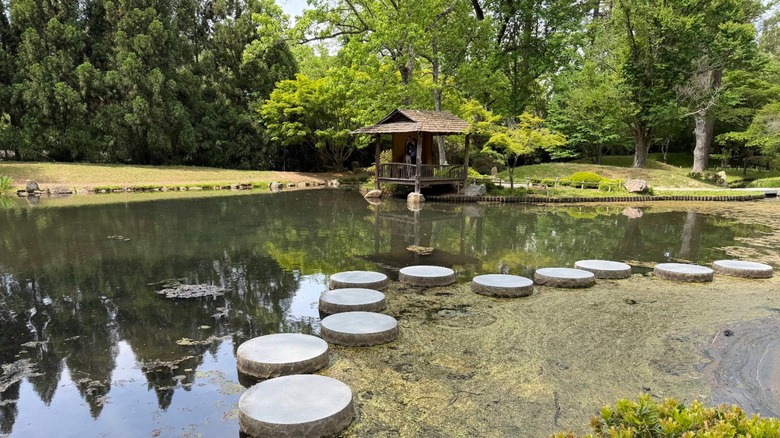
Richmond has the distinction of being one of the oldest cities in the United States, so it's only fitting that it's home to the oldest public Japanese garden on the East Coast. Located at the historic Maymont estate, the garden is a tranquil, meditative space of reflection in the center of Virginia's capital. A waterfall and koi pond, arched bridges, and meticulously trimmed trees and shrubs all offer visitors a nature-centered reprieve in this garden that was first built in 1911.
The Maymont estate was built in 1893 for James Dooley, a millionaire who made his fortune from steel, iron, railroads, and land. Dooley and his wife, Sallie, built Japanese and Italian gardens on their 100-acre property to complement their Gilded Age mansion. In 1926, after they both died, Maymont was given to the city of Richmond and turned into a public park.
With a current 4.8-star average on Google with over 10,100 reviews, plus the top ranking on Tripadvisor for Richmond's best parks, it's clear that Maymont is considered one of the city's prettiest parks. The Japanese Garden, in particular, is a favorite location, as hundreds mention it in their reviews. One user said, "It truly is one of Richmond's greatest gems. Stepping into the Japanese Garden is like being instantly transported to another world. ... It's a deeply shaded, cool, and intimate area that offers a wonderful escape."
The transformation of the Maymont Japanese Garden
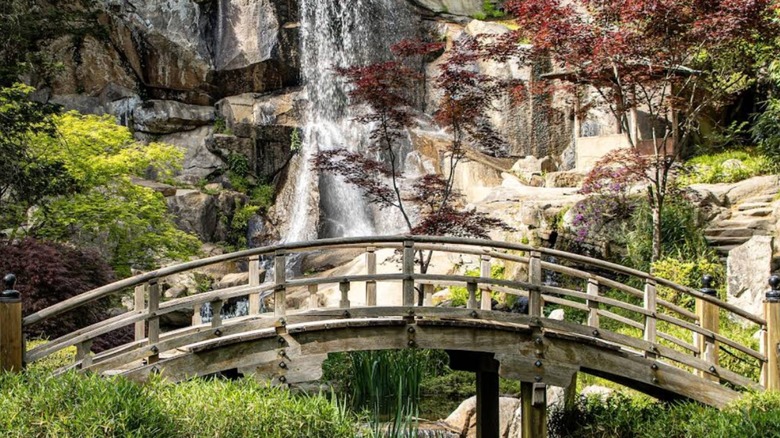
The nation's first public Japanese garden opened in 1894 with the tranquil landscapes of Golden Gate Park's tea garden, and it wasn't long before the eastward-looking trend moved, well, east. The Dooleys enlisted the expertise of a garden master who had designed private Japanese-style landscapes around the East Coast. The space was designed to embody a journey from the mountains to the sea using elements like a man-made cascading waterfall, a pond path, and shaped trees.
After Sallie's death in 1925, the garden fell into decline and disarray. Luckily, in the 1970s, a local organization centered on the Japanese art of flower arrangement stepped in to help save it. Non-Japanese elements were removed, and pieces of granite were turned into seemingly raw rocks and parts of bridges. In 2006, the Little East House was added, giving visitors a place to sit and experience the space from a different perspective. Japanese gardens are meant to evoke particular atmospheres and emotions based on your position, which you can also experience through this "stroll garden" design.
The Japanese approach to gardens differs from the ornate formalism of European ones, like that at Swannanoa, the Dooleys' other estate that's a slice of Italy hidden in the Blue Ridge Mountains. The Maymont Japanese Garden, with its quiet koi pond, arched bridges, stone lanterns, and temple-style gates, also stands in contrast to Maymont's Italian Garden. Instead, its meticulous control is supposed to capture the essence of nature's elements. It's a place to reflect and meditate.
What to know about visiting the Maymont Japanese Garden
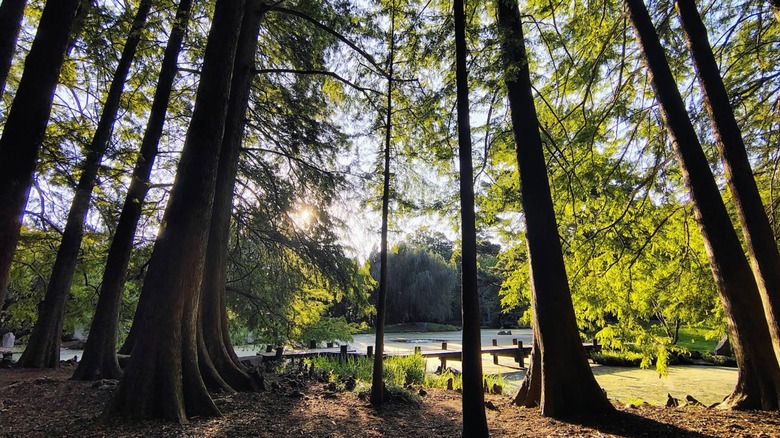
The gardens are open daily year-round, but they close earlier in the fall and winter. The estate grounds are free to visit, although a $5 donation is suggested, and you can also take guided tours of the mansion or have wildlife encounters like "breakfast with the bears." Besides the Japanese Garden, you can visit the Italian Garden, which offers a totally different vibe with its elaborate sculptures, fountains, and bright flowers.
Speaking of bright flowers, consider visiting the Japanese Garden during the spring cherry blossom season. While Virginia may not be known as one of the best places to see cherry blossoms in America, the Maymont Japanese Garden is a popular place to do so in Richmond. Another unique experience is Garden Glow, a month-long event from October to November, when the gardens are lit up with colorful lights at night. Some say the display in the Japanese Garden is particularly impressive.
When visiting the Maymont Japanese Garden, it's best to wear comfortable shoes since you have to do a bit of walking. While there are some paved paths around Maymont, the Japanese Garden is not paved, and its uneven terrain, bridges, and steps make it inaccessible for some folks with mobility issues. The garden is just a 10-minute drive from downtown Richmond. It's easily reachable via public transport: The free GRTC Line 78 stops just a few blocks from the Hampton Street entrance, the closest access point to the Japanese Garden.