
Sandwiched Between Baltimore And DC Is Maryland's Tranquil Forest For Fishing, Hiking, And Research
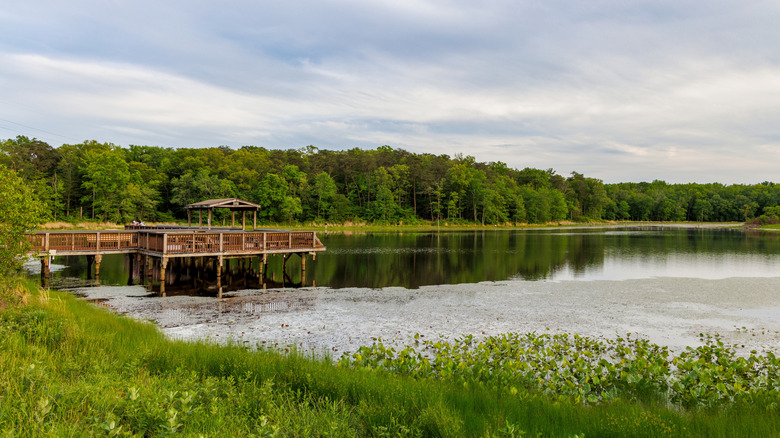
The extensive corridor between Washington, D.C., and Baltimore has so many densely-populated suburbs, government facilities, and large towns that one can forget that this region of Maryland still boasts some truly remarkable natural wonders. Chesapeake Bay, the largest estuary in the country, may be the area's most well known natural site, but there's another noteworthy slice of nature: Patuxent Research Refuge. While the word "research" may conjure sterile images of lab coats and test tubes, the actual refuge is a vibrant, tranquil nature preserve nestled in the D.C.-Maryland-Virginia metros.
Patuxent Research Refuge is located in Laurel, Maryland, just 19 miles from D.C., and 25 miles from Baltimore. It is administered by the U.S. Fish & Wildlife Service. Amazingly, it's also the only U.S. wildlife refuge that exists solely for wildlife research. Despite this, Patuxent Research Refuge is still open to the public for outdoor recreation and free to visit. Visitors can hike and bike on almost 20 miles of trails (some are even open for horseback riding). There are also hunting, fishing, and birdwatching opportunities. No matter how you enjoy the refuge, you can spend your time marveling that you're less than an hour's drive from the nation's capital, while also walking through a live science experiment.
Patuxent Research Refuge is a rare and important East Coast wildlife preserve
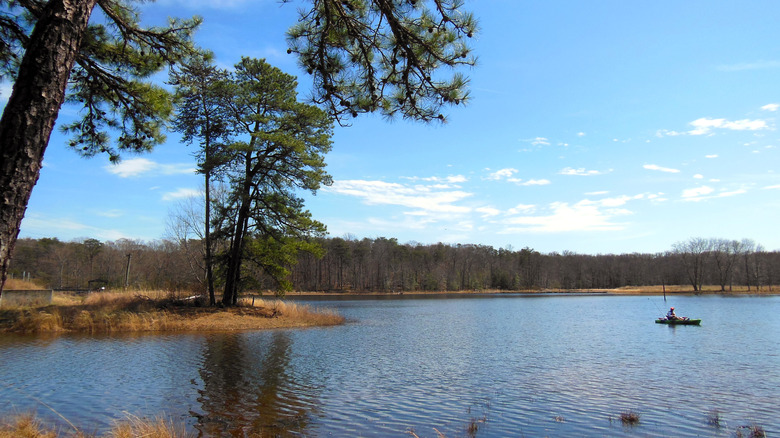
Established by President Franklin D. Roosevelt in 1936, Patuxent Research Refuge now protects just over 12,800 acres of forest, making it the largest contiguous forest system in the D.C.-Baltimore corridor. The refuge — in collaboration with the U.S. Geological Survey's Eastern Ecological Science Center — has become a vital wild laboratory, where scientists work to understand the effects of urban development on native wildlife populations and forge the next generation of conservation tools.
The Patuxent Research Refuge protects the largest remaining coastal plain forest ecosystem in the Baltimore and D.C. metro areas. These impressive forests receive essential water from the Patuxent and Little Patuxent rivers. The abundance of snakes in Maryland's Patuxent River may give some swimmers pause, but it speaks to the impressive biodiversity thriving throughout the system. Patuxent Research Refuge also features beautiful lakes, including the scenic Cash Lake and its picturesque forest-lined shores.
Such a diverse ecosystem means plenty of wildlife, and Patuxent Research Refuge is home to hundreds of animals, insects, and plants including over 250 species of birds. Appropriate for its D.C.-adjacent location, Patuxent Research Refuge has prominent populations of bald eagles, — along with Virginia's Mason Neck State Park — making it one of the best spots to see these impressive birds near the nation's capital. The refuge has also played a major role in saving endangered whooping cranes from extinction (although the program ended in 2018).
Enjoy the outdoors in a living ecology lab outside of Washington D.C.
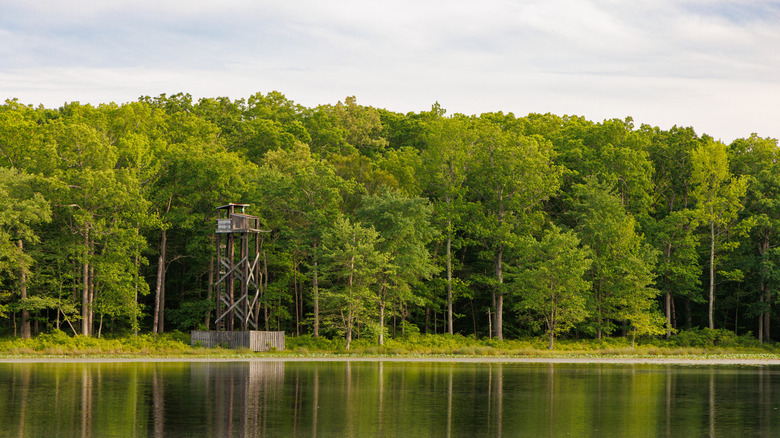
The Patuxent Research Refuge is divided into three tracts. While the research-focused Central Tract is closed to the public, the North and South tracts have several public recreation opportunities. The latter contains the refuge's two main lakes, and thus many of its best views. If you're looking for a more secluded visit, head to the larger North Tract, which sees fewer visitors. Both areas offer short, easy trails over flat terrain with well-marked paths. The South Tract's Cash Lake Loop, for example, is a 1.8-mile nature hike across the banks of the water, with plenty of opportunities to see birds and maybe even a beaver lodge.
Cash Lake draws visitors for its fishing opportunities as well; it's a popular spot to cast a line between April and September. In the North Tract, fishing is allowed year-round, though the tract's Lake Allen is only open for this activity on specific dates. Anglers at Patuxent Research Refuge have good chances of hooking largemouth bass, catfish, bluegill, pickerel, crappie, sunfish, suckers, and even eels, per Chesapeake Bay Program. Though Patuxent is federally administered, anglers 16 and older are required to have a Maryland non-tidal fishing license.
Patuxent's proximity to the nation's capital gives visitors the added bonus of exploring other towns located along D.C.'s borders. Just about 13 miles away, for example, is Maryland's College Park and its '80s "Brat Pack" nostalgia. College Park and surrounding locales also have great lodging options that don't require driving back to D.C. or Baltimore for the night.