
The 'Greenest Island In Croatia' Is A Beautiful Haven With Beaches, Caves, And A Sprawling National Park
We may receive a commission on purchases made from links.
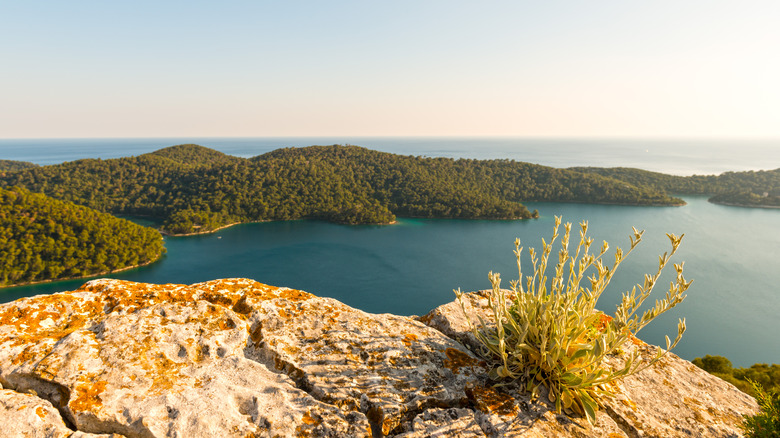
With approximately 1,244 individual archipelagos dotting the Adriatic Coast, Croatia is arguably the Mediterranean's runner-up to Greece in island density. Each destination has its character, but one island stands out when it comes to lush landscapes. Nestled in the south is Mljet, known as the "Greenest Island in Croatia." Relatively under-the-radar compared to Dubrovnik and Split, this island features sprawling Aleppo pines that result in a dense, verdant canopy. As you'd expect from any Mediterranean location, the beaches sparkle with clear-blue waters, allowing you to enjoy sandy bays, rocky areas, and secluded coves. Whether you wish to soak up the sun or bask in the unspoiled shoreline, Mljet's coast doesn't disappoint.
Most visitors island-hopping in Croatia are especially drawn to Mljet National Park. As a nature lover's dream-come-true, this outdoor playground offers pristine saltwater lakes — so you can easily go from sea to lakefront fun. Take a refreshing dip in the water, discover marine life, and go for a smooth paddle on a kayak. You can take the scenic trails through the pine forests, be it on foot or by bike. The island's coastal geography comprises limestone cliffs and rocky shores that are home to unique sea caves.
Getting to Mljet requires flying into Dubrovnik Airport first, followed by taking a ferry to the island. You can deboard at several cities — Polače, Sobra, or Pomena — with trips taking roughly 1.5 hours. If you plan on making Sobra your base, you can book a stay in a luxury apartment or guesthouse, with many options available on Booking.com. For easy access to the lakes in the national park, look for lodging in Polače and Pomena. Those targeting the beaches in the southeast can arrange accommodation in Saplunara.
Mljet Island's national park boasts clear-blue beaches
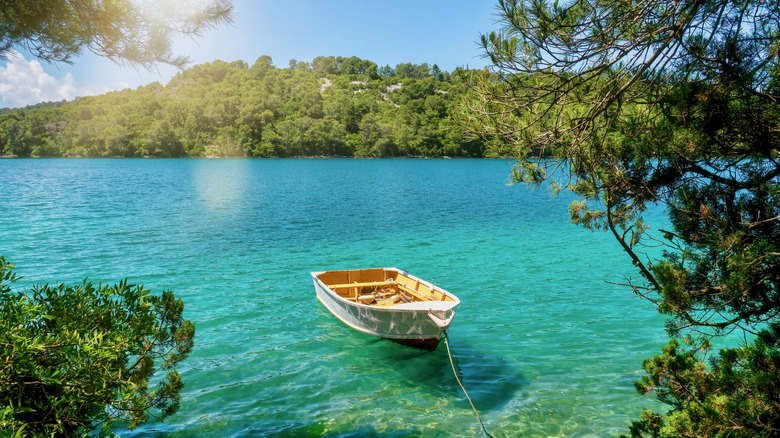
Some of the best beaches in all of Croatia give you the opportunity to swim in glittering waters, and Mljet doesn't fall behind when it comes to this experience. Similar to the island of Vis, where you can have a peaceful beach vacation without crowds, Mljet National Park feels raw and undiscovered. Situated on the western side of the island, it offers water-based activities in saltwater lakes. Visitors can take advantage of swimming, snorkeling, and paddling on the two lakes. Plan your trip during the warmer months for ideal weather conditions — the sweet spot, though, is visiting during the shoulder seasons, during the spring or fall.
Pack your swimsuit and sunscreen to savor the shores of Veliko Jezero and Malo Jezero (translating to Big and Small Lakes). "Water is very warm and crystal clear," says one Google reviewer, "When you rest on the shore you feel you are in [the] Mediterranean." Besides swimming and lounging on the beach, you can snorkel in the lakes. If you forgot to bring your snorkeling gear, rentals are available at the park — the same applies to kayaks. With scenic cliffs and abundant woodlands surrounding the lakes, you're in for a serene paddle. In fact, you can take a ferry to the Church and Benedictine Monastery on St. Mary's Island in Veliko Jezero, among the oldest church complexes in the Adriatic, per Mljet Travel.
Outside the national park, head to Sutmiholjska Beach on the south-central shore. The pebbly beach glimmers in turquoise hues and is rarely crowded, but when visiting, bring an umbrella or sun-protective gear, as there is a lack of natural shade. Those vacationing in the southeast of Mljet can relax at Saplunara's beaches: Velika and Mala. These sandy stretches are part of a protected bay, with pine forests serving as your backdrop.
Explore a myth-steeped cave in Mljet
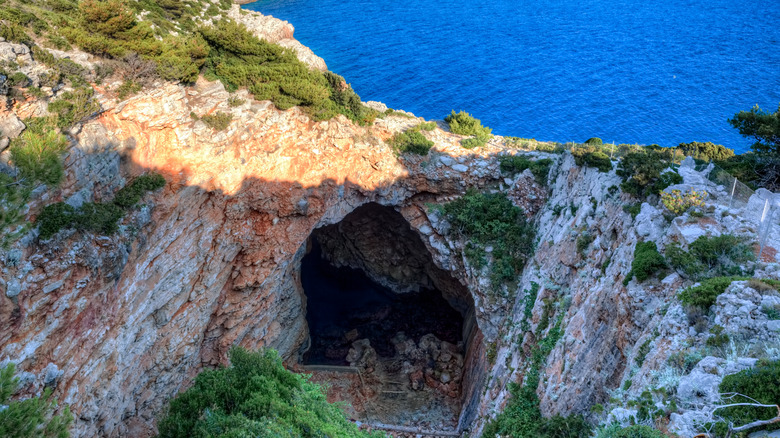
Perhaps the most fascinating attraction of Mljet Island is its mysterious chasm, Odysseus Cave. This gem is hidden on the southern coast, near the village of Babino Polje. As intriguing as the egg-shaped geological formation seems, its story is even more captivating. According to legend, this is where Homer's Odysseus was shipwrecked and spent seven years with Calypso. The nymph enticed Odysseus with pledges of immortality, but Zeus intervened to break her hold on him, leading her to eventually perish from sorrow. The best time to visit this cave is in the summer, specifically around noon, to witness a vibrant spectrum of colors on the water.
Odysseus Cave can be accessed via a 45-minute hike, with plenty of steep, downhill sections. Another option is going through a tunnel through the limestone cliffs via swimming or boating when the waves are calm. You might notice fishing vessels and equipment stowed in the cave. The chasm extends for about 66 feet, with the water depth reaching up to 33 feet — perfect for swimming, snorkeling, and cliff jumping. You can use the anchored rope to pull yourself up and jump back into the water.
While Odysseus Cave is a popular spot in Mljet, the island is full of caves and grottoes. Other similar attractions include Movrica and Ostaševica caves, as well as Međugrađen, the island's 334-foot deep abyss. Beyond the caves and beaches, Mljet is a wonderful destination to go hiking and cycling, with trails taking you to every green corner. You can opt for a strenuous adventure on a mountain peak, an easy beachy hike, or even cycle the length of the island. While you're creating your island-hopping itinerary in Croatia, add the tiny town of Trogir to your list, which provides a slow-vibe atmosphere and stunning waterfront views.