
Yosemite's Less-Traveled High Country Route Is One Of The World's Most Unforgettable Adventures
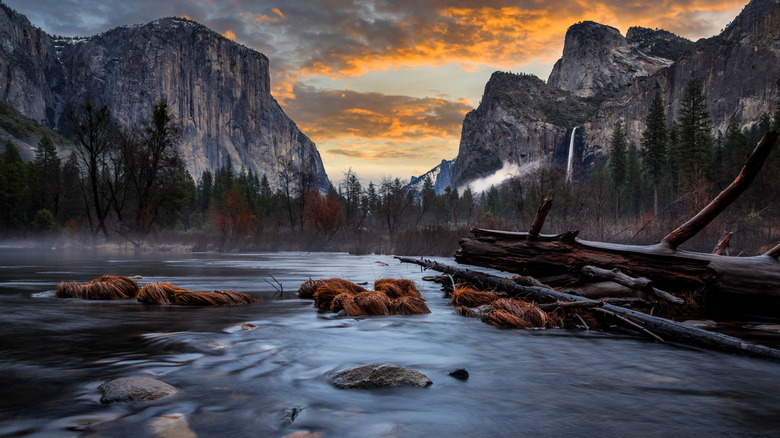
It's no secret that Yosemite National Park is a mecca for nature lovers, rock climbers, and hikers. But it's a park that is also full of surprises, and the biggest one may be that its most unforgettable hike isn't even in the popular Yosemite Valley; it's trekking the Yosemite Grand Traverse.
With stunning views of the park's meadows, waterfalls, and alpine lakes, this high-country route is considered one of Yosemite's most scenic. Outdoor Adventure journalist Peter Potterfield listed it in his book "25 Classic Hikes in North America" and also included it in a National Geographic article about the world's top 15 trails (via Day Zero Project).
This backcountry trail isn't for the faint of heart. It's hardcore hiking that requires a five to eight-day commitment and extensive planning and preparation for hikers. Permits can also be challenging to secure. Luckily, a few hiking companies coordinate guided tours, including Wildland Trekking, Explore Share, and Axis Wild Expeditions.
Escape the crowds on the Yosemite Grand Traverse
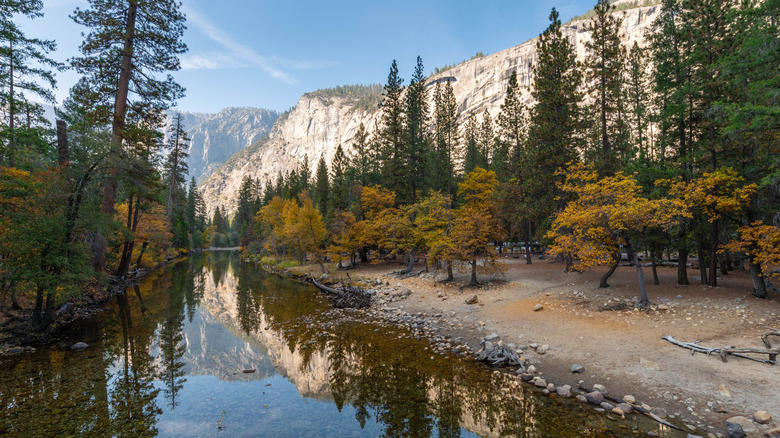
Yosemite Valley is notoriously crowded, with more than 4 million people visiting in 2024. Yet, more than 92% of the parkland remains pure, untouched wilderness. The Yosemite Grand Traverse provides adventurers the opportunity to explore more of that less-traveled space in the heart of the Sierra Nevada mountain range.
Backcountry routes are varied and also demanding. The Grand Traverse spans 38 to 60 miles, depending on the route and tour operator. Days alternate between hiking grassy, sun-drenched meadows and climbing steep terrain that tests both legs and lungs.
The traverse weaves its way through the Sierra Nevada's most celebrated landscapes, some tours incorporating stretches of both the stunning Pacific Crest Trail and the John Muir Trail — two of the country's most iconic long-distance paths. The route crests Isberg Pass at 11,100 feet and takes in striking geological landmarks along the way. Many routes also include passing through the serene Cathedral Lake basin, following the snaking Merced River through canyon corridors, and feeling the mist of Nevada and Vernal Falls. You'll spend time exploring a Yosemite crown jewel, Tuolumne Meadows, and coming face-to-face with views of Half Dome and El Capitan — the park's most enduring silhouettes.
What to know before you hike Yosemite's backcountry
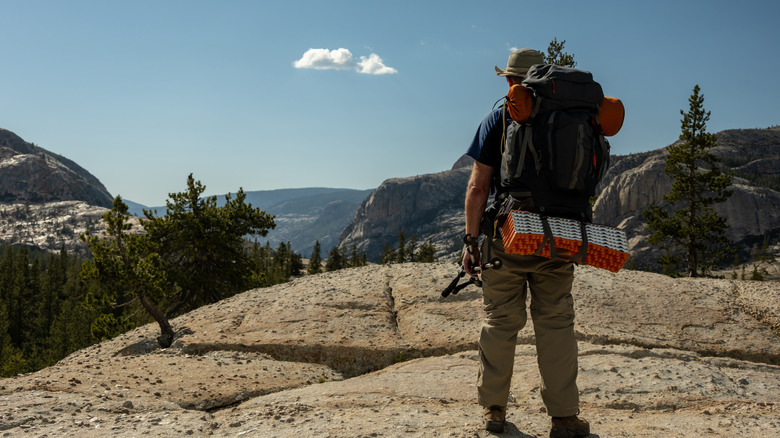
Hiking Yosemite's high country isn't for everyone. Due to the steep inclines, high altitude, and daily mileage, it's best for experienced long-distance backpackers. At its highest points, the air can be thin, the weather unpredictable, and — like most remote territory — the cell phone service unreliable or nonexistent.
Anyone planning an independent trip should note that the National Park Service has clear rules for overnight and backcountry adventures. Camping overnight anywhere that isn't a developed campground requires a wilderness permit, which allows the park service to protect the environment and its ecosystems from human impact. A limited number of permit reservations are issued between May and October, with 60% available 24 weeks in advance and the remainder available seven days out. Campers are required to set up at least 4 trail miles from Tuolumne Meadows, Yosemite Valley, Glacier Point, Hetch Hetchy, and Wawona, and at least one air mile from any road. Additionally, you can't be within 100 feet of any trail or water source. Oh, and one more thing: watch out for bears!
For those who prefer a lighter, less strenuous itinerary, Yosemite offers an array of day hikes. There are plenty of alternative parks in California to visit instead, all renowned for their natural beauty. That said, Yosemite Grand Traverse is hard to top.