
Forget Greece, Retire To This Breathtaking And More Affordable Mediterranean Alternative
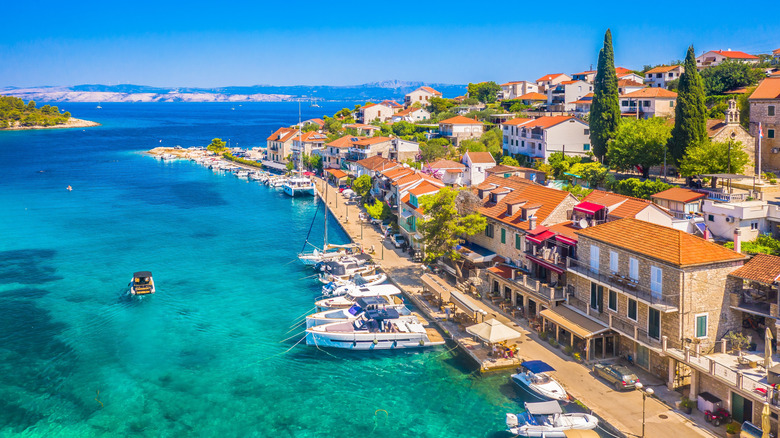
For years, Greece has dominated the conversation when it comes to the best international retirement destinations. With its whitewashed villages, seaside tavernas, seemingly endless sunshine, and a slower pace of life, it's no wonder retirees picture themselves here. While Greece still reigns supreme as an affordable retirement destination, another country is making waves: Croatia. This Adriatic Sea-bordering nation has quietly begun attracting attention from people looking for a similar retirement lifestyle sans some of the crowds and costs that come with Greece's most famous destinations.
Croatia is an increasingly popular alternative because it feels surprisingly attainable. Instead of competing with hordes of honeymooners and cruise ship passengers for those cliffside views and suites, retirees can settle into a slower-paced lifestyle. While Greece has thousands of islands, Croatia has an impressive 1,244, many of which are uninhabited. That means there's no shortage of options for island hopping in Croatia. Forget overcrowded spots like Santorini and visit one of Croatia's underrated islands with fewer crowds and stunning turquoise waters.
Croatia also has historical towns and sites that rival some of the most interesting ones you'll find in Greece. In 2023, Croatia became a Schengen Area member and adopted the use of the Euro, making it even easier for retirees looking to travel throughout the area. That means you can easily travel to other popular countries like Spain, the Netherlands, France, and Germany without worrying about exchange rates.
Croatia has the stunning Mediterranean scenery retirees dream about
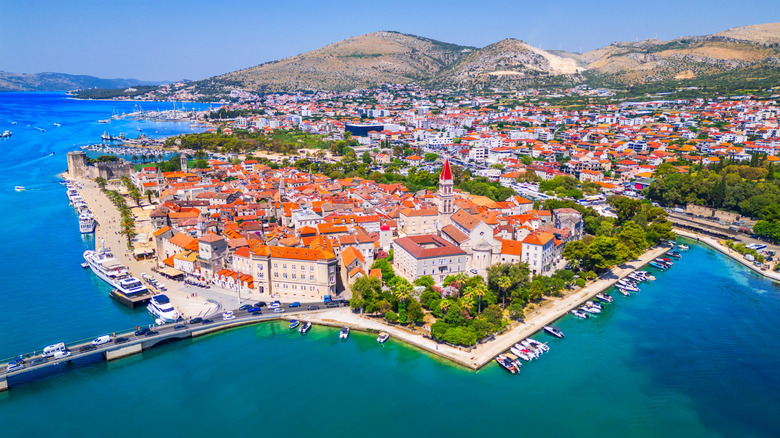
One of the appealing aspects of Croatia is that it still feels a little undiscovered compared to Greece and some of the Mediterranean's other popular destinations. While Greece is known for its iconic scenery, Croatia offers many of the same postcard-worthy experiences that travelers dream of when thinking about seaside retirement. The difference is that in some Croatian coastal towns, daily life still feels centered around slow tourism.
Croatia's mainland coastline stretches for more than 1,100 miles, passing along historic port cities, rocky coves, and water so clear you can see straight to the bottom. With that much frontage on the Adriatic Sea, it comes as no surprise that Croatia has hundreds of beaches to choose from. Opt for island life in destinations like Hvar or Korčula. Opatija, known as the 'Pearl of the Adriatic,' is also a perfect coastal town for retirement. Or, head for cities where you can find medieval architecture and Roman ruins blending into modern-day life. Move inland, and retirees will find mountains, waterfalls, vineyards, and national parks that are perfect for road trips. This balance of dramatic scenery and the slower pace of life is part of what makes Croatia stand out.
Croatia's affordability leaves more room to enjoy the Mediterranean lifestyle

Retiring in the Mediterranean sounds wonderful until every meal, ferry ride, museum ticket, and day trip starts adding up. While Croatia is no longer the budget destination it once was before adopting the Euro, travelers and retirees alike still find it easier on the wallet than some of Southern Europe's better-known retirement hotspots, including parts of Greece. For retirees looking to stay active, those savings can translate into more opportunities to explore.
Enjoying a seafood lunch along the Croatian coast or taking a ferry ride around its islands often comes with a smaller price tag than similar experiences elsewhere in the Mediterranean. Croatia's extensive ferry network makes island hopping remarkably accessible, allowing travelers to spend time in destinations like Hvar, Korčula, and Brač. It also provides easy access to affordable national parks such as Mijet National Park, known as Croatia's greenest island.
The value extends beyond the coast as a reliable bus system makes domestic travel more affordable. It opens the door to places like Croatia's famous lake region that looks like Niagara Falls and the Grand Canyon combined. Plitvice Lakes National Park is the largest national park in Croatia and is renowned for its turquoise lakes and cascading waterfalls. Admission to the well-preserved Roman-era Pula Arena costs a fraction of what visitors typically pay to enter some of Greece's most famous sites. Croatia's combination of scenic coastlines, history, and relatively modest travel costs can make retirement in the Mediterranean more attainable.