
Arizona's Red Rocks Are Doing A Lot More Than Attracting Tourists
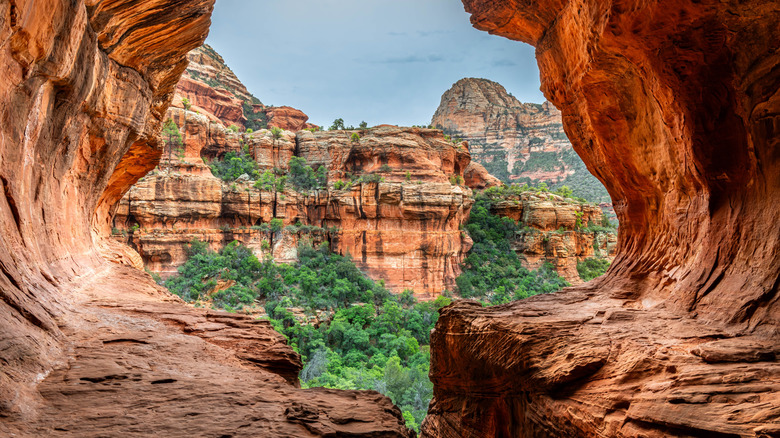
Soaring pillars. Vast cliff faces. Cacti rising out of cracks and fissures. The red rocks of Arizona are some of the most iconic images in the United States, and people travel here from around the world to behold these scarlet surfaces up close. "Red rock" is a loose term, describing iron-rich, oxidized sandstone surfaces across the north-central part of the state. You can find them from the slopes of the Grand Canyon and the grand monoliths of Monument Valley to Sedona's vibrant landscapes. Tourists admire them, climbers heave themselves up them, and vortex-seekers probe Sedona's red rock landmarks for otherworldly encounters.
Yet Arizona's colorful geology is more than a pretty backdrop for selfies. These monoliths harbor diverse plants and animals. The desert is a livelier habitat than many first-time visitors realize. Originally formed at the bottom of a primeval sea, these colossal rock formations are mostly composed of sandstone and limestone, and they have witnessed many stages of evolution over the past 350 million years. Today, the bone-dry climate strikes a delicate balance for the many species that live there.
Red rocks have also held special meaning to the people who live here. Evidence of human habitation dates back about 25,000 years, per Britannica, and this rusty terrain provided shelter and food for untold generations. People have long looked to the rocks for inspiration, guidance, privacy, and community. For so many of us, crimson stone is the stuff of postcards and Road Runner cartoons, but the red rocks are more than just pretty landscapes for those that live here.
How nature thrives among Arizona's red rocks
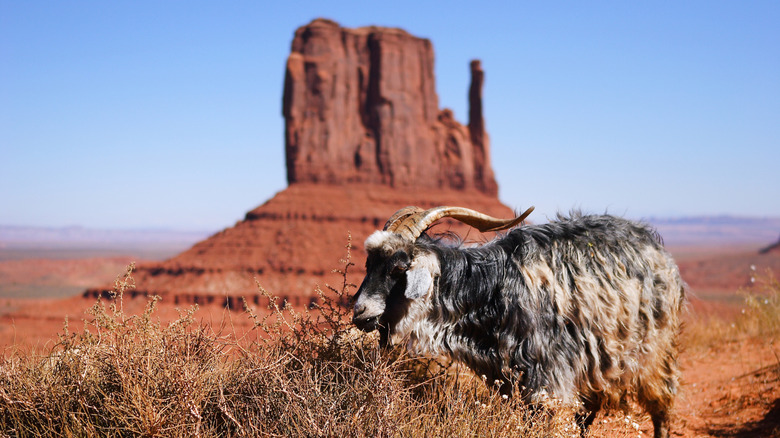
When you hike around the red rock capital of Sedona, it's very possible you'll spot mule deer trotting through the brush. These delicate creatures are accustomed to humans, and they roam freely around local boulders and crags. The same goes for coyotes, lizards, and boar-like javelinas, which have made a home in this region. Many tourists come here just to spot birds through their binoculars. Well over 200 species of birds have been identified here (according to the Northern Arizona Audubon Society), and Arizona is a vital stopover for migration, including a wide range of hummingbirds.
While many outsiders see a vast wasteland, residents and naturalists recognize how active and biodiverse the Southwestern desert can be. Sedona's Red Rock State Park comprises 286 acres of protected land nestled in the Sedona wild country with creekside trails and serene views. Here, even the elusive mountain lion has the space and terrain to thrive.
You can expect to spot wildlife on any hiking trail around Sedona, but some locations are especially spectacular. Slide Rock State Park is a 43-acre preserve located just northeast of Sedona, where you can spot deer and bears. Oak Creek is a swimmable waterway that flows between towers of red rock and even boasts a thriving apple orchard. In the driest months, the Seven Sacred Pools area serves as an oasis for local animals. Located just northeast of town, these little bodies of water rest in little bowls of red rock.
The red rocks' value to humans
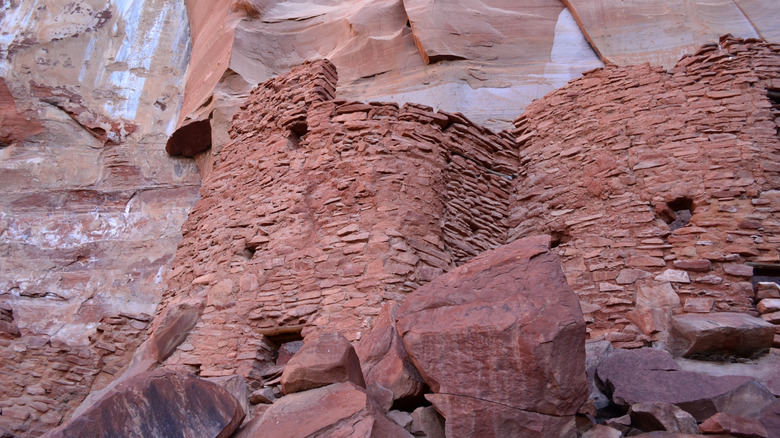
One of the most striking sights in the southwest is the Palatki Heritage Site, a cliff dwelling built into red cliffs nearly a millennium ago, which now stands just northwest of Sedona. Constructed by the Sinagua people, the site still shows traces of stone walls and petroglyphs. For archaeologists, the site is a vivid window into pre-Colombian life. For tourists, the structure has a haunting majesty, drawing 25,000 visitors annually, per Friends of the Forest Sedona. For Indigenous peoples, Palatki speaks to a long heritage in the region.
To many, the red rocks are considered sacred, even mystical. Sedona's legendary "vortexes" are said to bestow visitors with spiritual energy. Whether or not you believe in its New Age power, the epic scenery and extreme quiet of the desert trails affect visitors in profound ways. True believers may accrue crystals from local shops or partake in healing rituals, while others content themselves with a sunrise yoga session and contemplative nature walk.
In sum, this colorful sedimentary stone does far more than attract visitors, although tourism plays a vital role in the local economy. Humans have lived in this region for well over 10,000 years, and Arizona's red rocks are powerful cultural symbols as well as natural habitats. While you're in the area, here are the top 13 things to do in Sedona, according to locals and visitors.