
Why More And More Travelers Should Say Goodbye To Mexico City Vacations In 2026
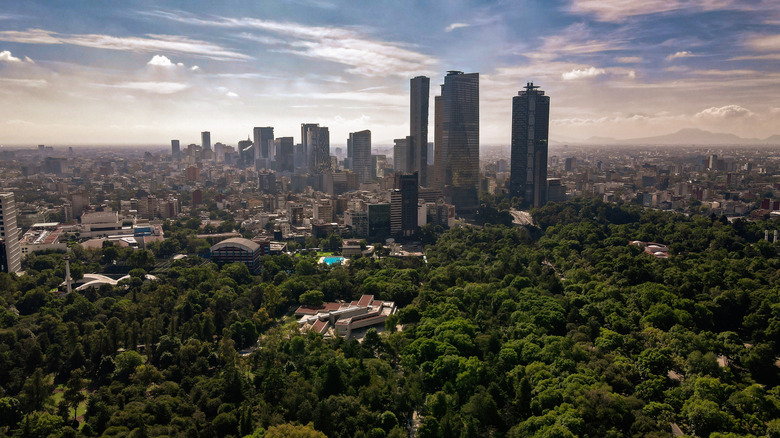
In the central Roma Norte and La Condesa neighborhoods of Mexico City, many streets are shaded with trees along blocks of tightly packed art deco, neoclassical, and art nouveau buildings full of bustling cafes and shops. Neighborhood parks provide a space for residents to meet up and socialize — they're places where you can be a part of a community and see the same faces over and over, strengthening the social fabric. Then, on July 4, 2025, the park hosted a large protest.
People gathered in the park to tell stories of how gentrification is affecting them. An estimated one in five homes in the Condesa neighborhood is now a short-term rental or tourist accommodation. Mexico City, the largest city in North America, is a living home to millions of people. It's a city with jobs, markets, apartments, and people living their lives. The rise in American tourism and digital nomads, a group Mexico City once sought to attract, is disrupting the living of those lives. This is why Fodor's put the tourist hotspot on its "No List" for 2026.
The protest, which started off peacefully, eventually turned destructive. "Gringo go home" and "Kill a gringo" were spray-painted on walls, windows for high-end cafes and shops were bashed in, and tourists were verbally harassed once the anger boiled over. Some protesters directed their anger toward what they view as the effects of gentrification and overtourism in their city.
Overtourism in Mexico City and how to travel with minimal impact
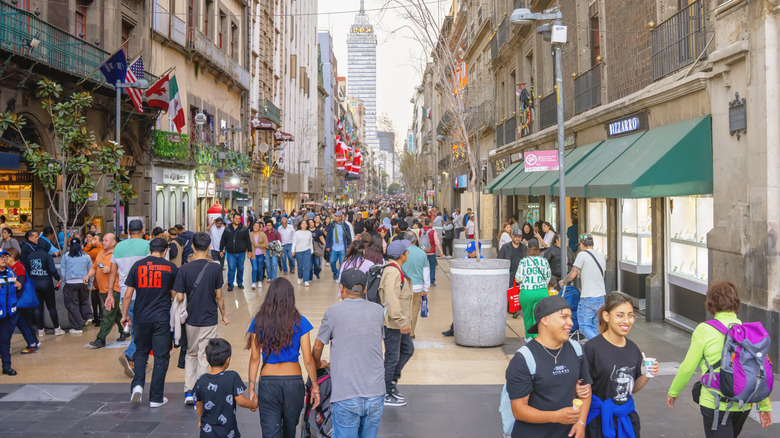
To know why the anger came to a head, it helps to look at economics. The issue with Americans traveling to Mexico City is their buying power. The dollar goes far in Mexico City, and landlords can make more money converting rental units to homes for digital nomads or Airbnbs for tourists. This removal of housing units available to Mexicans makes what's left even more expensive.
Mexico City's cost of living is roughly 50% lower than that of an expensive U.S. city like Seattle. At the time of writing, a dollar gets you around 17 pesos. The cost of a meal at an inexpensive restaurant is about 200 pesos (US$11.50), meaning Americans can leave their home country and its rising prices to find affordability again. These immigrants and tourists are willing to spend a little more than the people who are already there, causing landlords to drive out the existing population. Restaurants begin to cater to people from the U.S. with bigger budgets.
Fodor's makes it clear that the "No List" is not a call for a boycott of traveling to a location, but rather "its purpose is to highlight destinations where tourism is placing unsustainable pressures on the land and local communities." Mexico City is still very safe to visit and a world-class destination, so it's understandable that people want to go. If you are aware of your footprint as a traveler — stay at local hotels, eat at restaurants that cater to Mexicans, and shop responsibly — it can be a trip that gives back more than it takes. No one is expecting tourists to live like locals; just be aware of the gravitational pull of the U.S. dollar on a neighborhood's economics.