
The Unique Wildlife Travelers Would Be Thrilled To Find At Grand Canyon National Park
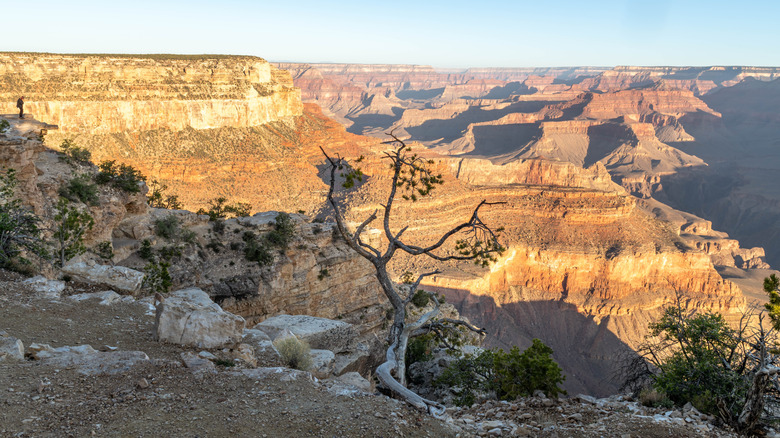
The Grand Canyon is a massive geological formation. It stretches some 277 miles long and is up to 18 miles wide in some places. Although this massive chasm may seem barren when viewed from a distance, it is actually home to an impressive array of wildlife. Hundreds of bird species, 89 types of mammals, 47 reptiles, and a handful of amphibians call the Grand Canyon home. Among those are some truly unique creatures, including several endangered species. Almost any visitor to northern Arizona's Grand Canyon National Park would be thrilled to see these special critters.
There are various reasons the animals on this list are a thrilling sight. In some cases, it's because they are exceedingly rare. Other creatures are not rare in terms of population size but instead because they're not often seen due to inhabiting such remote and rugged areas within the park. Some are sought out by visitors due to their legendary reputation. Yet other specimens are somewhat commonly seen but considered majestic because of their physical stature.
To increase the odds of encountering these animals, visitors should consider the timing of their trip. Throughout the year, many species remain most active during early morning and late evening hours. Additionally, the spring and fall seasons (the ultimate times to plan a trip to the Grand Canyon) provide great wildlife watching opportunities. Visitors intent on spotting some of the park's more elusive creatures should also avoid the major tourist stops and instead spend time hiking along routes like this hidden trail with fewer crowds.
Big-eared bat
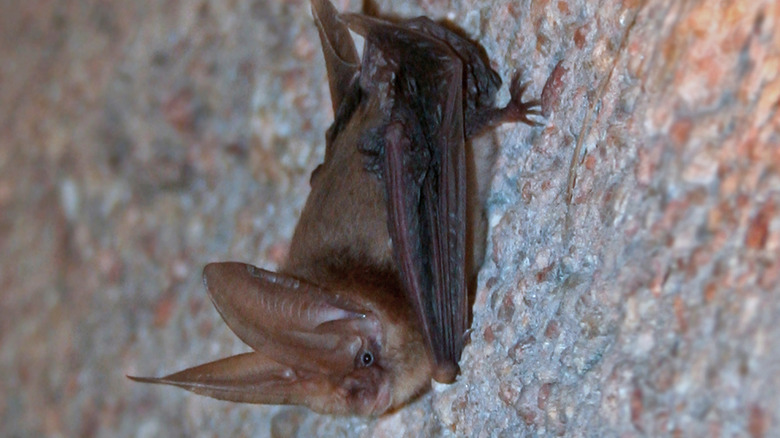
There are nearly two dozen bat species found in the Grand Canyon. Among them are two types of big-eared bats. The Grand Canyon Trust lists both Allen's and Townsend's big-eared bats as species of concern. As is the case with all bat species, the best chance at seeing big-eared bats in the open is at night when they emerge to feed on insects such as mosquitoes. The best way to distinguish big-eared bats from other bat species is by their large ears, which can extend roughly half the length of their body.
Bighorn sheep
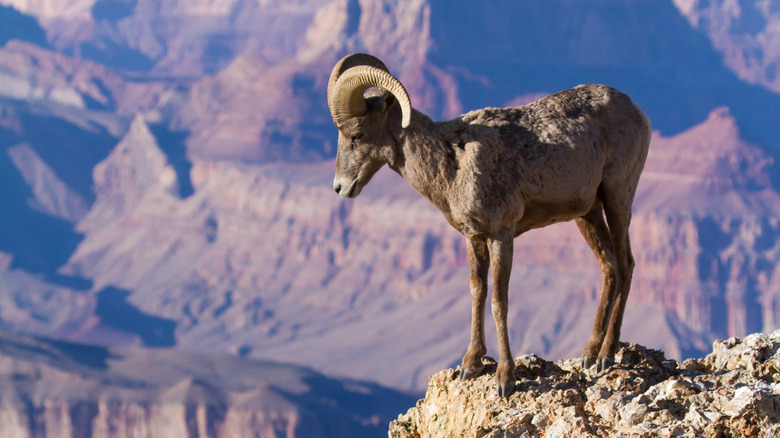
Desert bighorn sheep are impressive for both their size and ability to scale incredibly rugged terrain. Mature males can weigh as much as 250 pounds, making them the largest mammal that is native to the park. Rams also sport a set of the iconic curled horns, while females have shorter, curved versions. The massive mammals are still able to maneuver up steep, rugged terrain and are most commonly seen along cliffs and sheer mountain faces. Although their numbers have drastically decreased in some areas of the country, bighorn sheep maintain a healthy population the Grand Canyon.
California condor
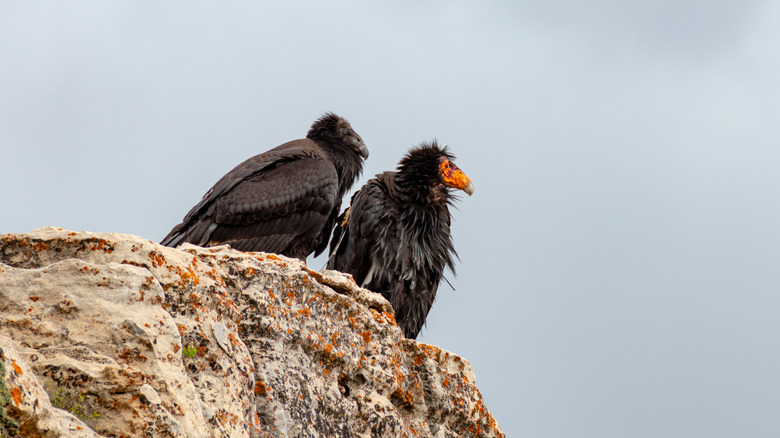
California condors are a thrilling sight for Grand Canyon National Park visitors due to their scarcity and size. In the 1980s, there were fewer than two dozen of these birds left on Earth. Thanks to a successful reintroduction program, they can now once again be seen in the wild. However, they are still considered an endangered species.
Scientifically known as Gymnogyps californianus, California condors are easy to identify simply by their size. These massive, black-feathered birds can have a wingspan of up to 9 feet long. They are usually seen flying overhead, sitting on cliffs, or perched in treetops.
Elk
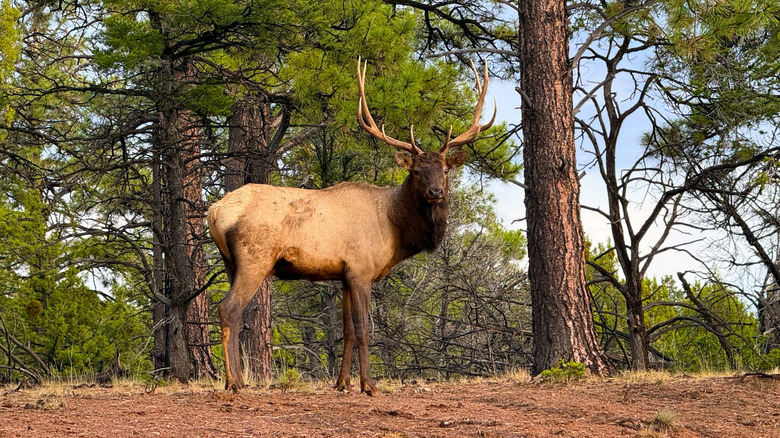
Elk are not native to the Grand Canyon, but have been there for more than 100 years after being introduced in 1913. As the largest member of the deer family found within the national park, elk grow to massive proportions. Males can weigh as much as 700 pounds, and their impressive antlers can measure in at up to 40 pounds. Elk live in the forests along the South Rim of Grand Canyon National Park, where they graze on various grasses and shrubs. Elk in the park have become habituated to people and are commonly seen. However, visitors are advised to maintain a safe distance from these animals.
Gila monster
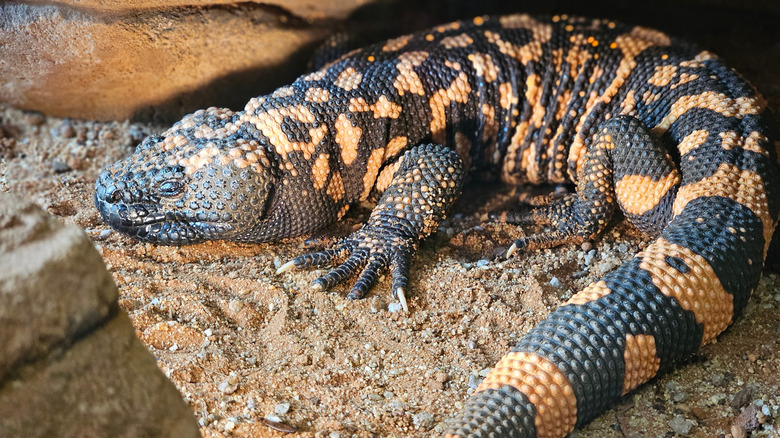
Among the bizarre facts you probably didn't know about the Grand Canyon are a number of legends regarding mythical monsters. However, at least one legendary monster is real. Gila monsters inhabit the western portion of Grand Canyon NP. There are only a few venomous lizards in the world, and the Gila monster is one of them. Although their venom is not lethal to humans, these creatures can inflict a painful bite. So, although they move slowly, they should not be handled. These black-and-orange reptiles are most active during dawn, dusk, and nighttime hours. They are most often seen in the rocky, desert portions of the park.
Grand Canyon rattlesnake
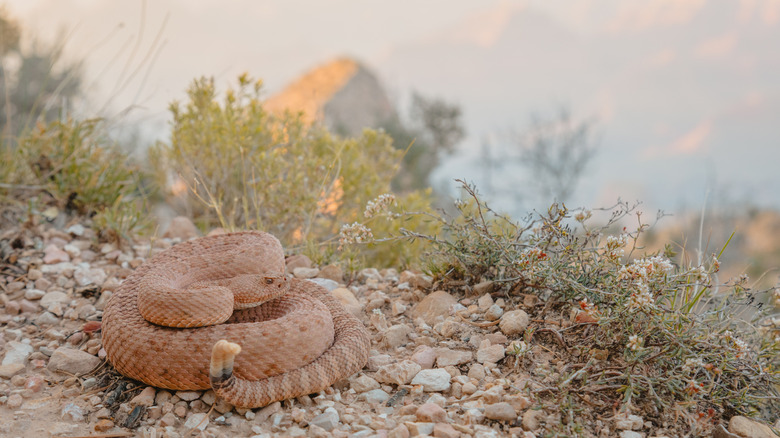
Given that Arizona has more rattlesnakes than any other state, it is no surprise that a good number of these serpents inhabit Grand Canyon National Park. While visitors may not always be thrilled to see a snake while adventuring outdoors, spotting this critter is worth celebrating. That's because the Grand Canyon rattlesnake is only found in one place on Earth — the Grand Canyon.
This snake is mostly encountered in the area around Lees Ferry and typically found down in the canyon. A subspecies of the Western rattlesnake, the species is often pinkish in coloration, closely matching the surrounding sand and stones.
Kaibab squirrel
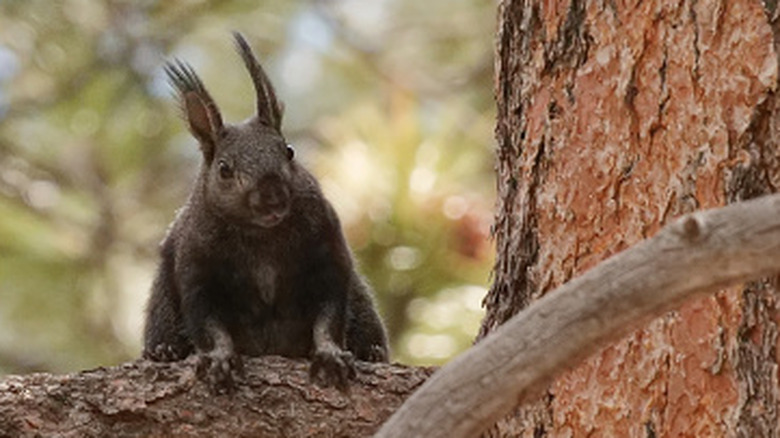
Another animal with a limited range in Grand Canyon National Park is the Kaibab squirrel. In fact, according to National Park Explorer, this unique little critter is only found in a stretch of pine forest along the North Rim. It is considered "the rarest animal in the national park system." The Kaibab's distinctive dark brown to black body colors contrasting with a light-colored tail led to them being nicknamed white-tailed squirrels. Because the species has such a limited geographic range and is exceedingly rare, the Kaibab squirrel is strictly protected.
Ringtail
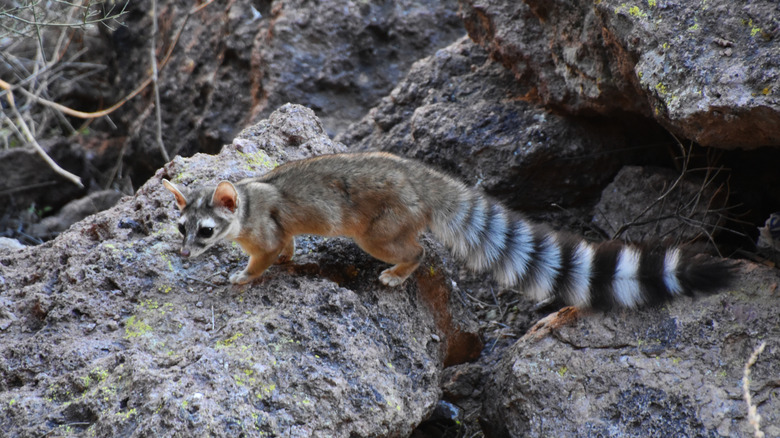
Arizona's official state mammal, the ringtail, is a common animal in Grand Canyon National Park. However, despite their healthy population, they are not often spotted due to their elusive and nocturnal nature. Although they are rarely seen, ringtails frequently rob supplies from campsites in the Grand Canyon. When they are sighted, they are very easy to identify by the long black-and-white-ringed tails for which they are named. The rest of this animal's body is typically tan or beige. The species lives all throughout the canyon, from bottom to top, but prefers rocky, rugged areas.
Short-horned lizard
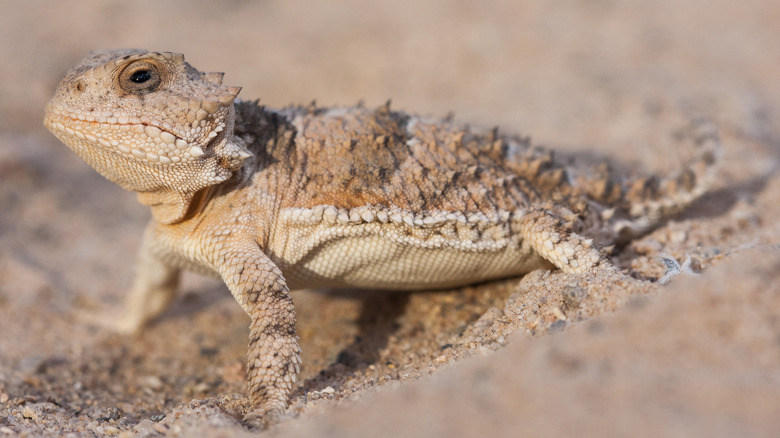
Horned lizards, which are often called horned frogs or horny toads, are among the more unique reptiles to be seen at Grand Canyon National Park. There are 17 species of horned lizards found in North America. The Western (aka mountain) short-horned lizard is the variety found within the Grand Canyon NP. Like other horned lizard species, the Western horned lizard has a short, squat body and numerous spines protruding from its head and back. Although they look menacing, horned lizards are harmless to humans. They do, however, have the odd habit of shooting blood from their eyes when they feel threatened.