
Sequoia National Park's Unique Wildlife Travelers Would Be Thrilled To Find
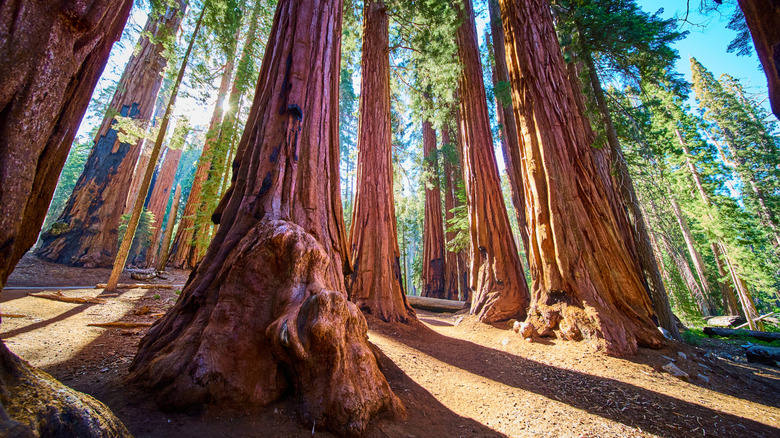
Known for sequoias as tall as the Statue of Liberty, the glimmering subterranean passages of Crystal Cave, and the famous Tunnel Log visitors can drive through, Sequoia National Park is a treasure trove of natural beauty. In 2024, over 2 million visitors came to Sequoia and adjacent Kings Canyon National Park to bask in the presence of giant sequoias, some of the largest trees in the world. However, the National Park Service also identifies over 320 species of mammals, amphibians, birds, reptiles, and fish, including 12 endangered, threatened, and reintroduced species, that any wildlife enthusiast would be thrilled to find.
Situated in California's Sierra Nevada Mountains, 78 miles from Fresno and 260 miles from San Francisco, the park boasts elevations between 1,400 and 14,494 feet. The park's animals live in a variety of habitats, including oak woodlands in the foothills, valley meadows surrounded by pines at mid-elevation, alpine lakes and exposed granite peaks, and, of course, groves of giant sequoias.
Visitors can spot unique wildlife from over 25 trailheads, seven campgrounds, and even from the road, including the only aquatic songbird in North America and one of the rarest mammals in the U.S. As always, exercise caution and respect around animals, and follow National Park Service (NPS) wildlife safety guidelines, especially if you encounter a rattlesnake, mountain lion, or bear while hiking or camping.
Mountain yellow-legged frog
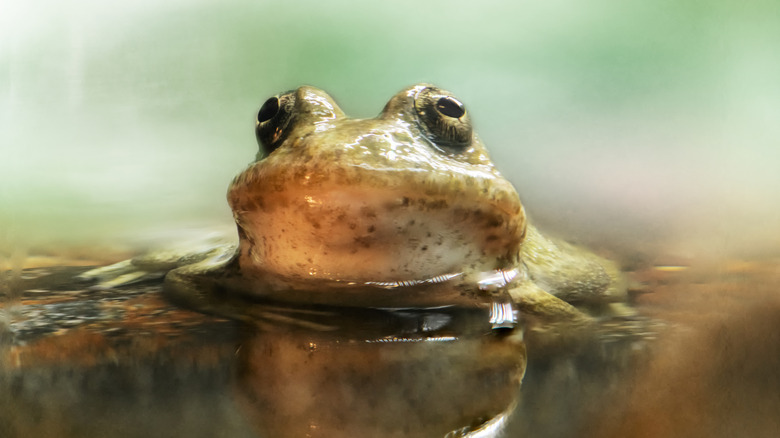
The mountain yellow-legged frog is one of Sequoia National Park's greatest conservation work-in-progress stories. The Los Angeles Zoo reports that the frogs have disappeared from 99% of their habitats in part due to the introduction of trout in area lakes and streams. A favorite among sport anglers, trout are apex predators, devouring the mountain yellow-legged frogs' tadpoles and food sources.
Since removing trout from three lakes, the frog population has increased by a staggering 10,000% in these bodies of water. Although still rebounding, these frogs can be spotted, or rather heard as they plop into the water, along streams in Upper LeConte Canyon during the summer.
Sierra Nevada bighorn sheep
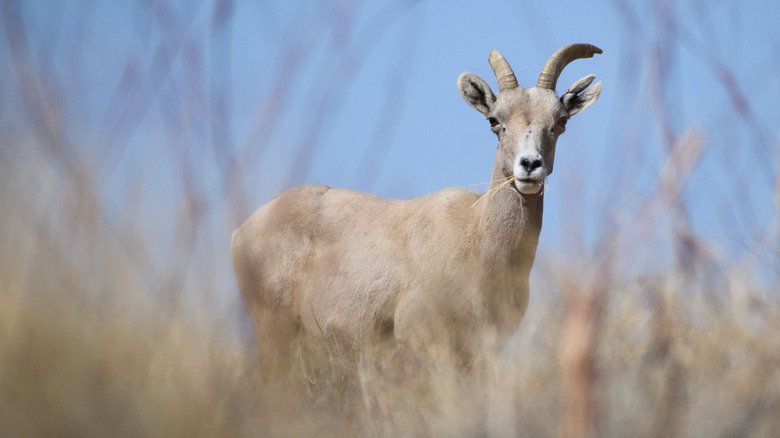
The Sierra Nevada bighorn sheep is an example of an endangered animal reintroduced into Sequoia National Park. In 2014, state and federal agencies relocated 10 females and four males from Inyo National Forest to the park. The population slowly grew, and today, around 500 bighorn sheep roam the region between Yosemite and Sequoia.
The California Department of Fish and Wildlife notes two herds that live inside the park — one in Laurel Creek and the other in Big Arroyo. Although your chances of a sighting are small, hikers who have spotted a bighorn advise others to keep looking up when hiking in craggy, high-elevation zones.
Mountain lion
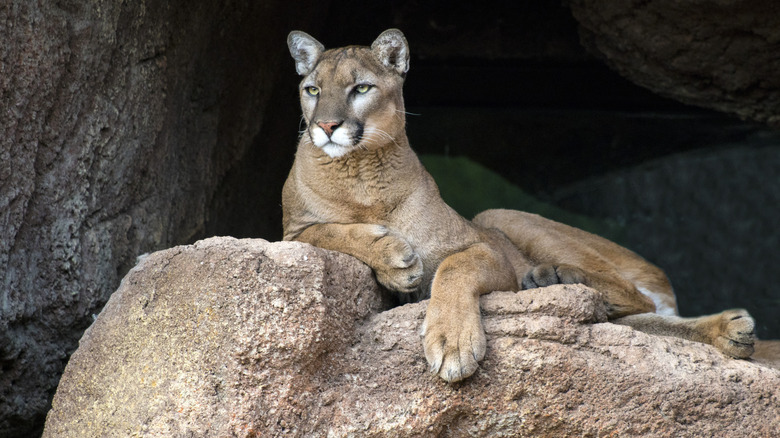
While encountering a mountain lion on the trails, especially a cub separated from its mother, might be a hiker's worst nightmare, a sighting from the safety of your vehicle is a privilege. Capable of leaping 40 to 45 feet, these big cats roam the park's foothill, but rarely make their presence known.
The U.S. Forest Service estimates that roughly 4,000 to 6,000 mountain lions live in California, but there are no statistics for Sequoia National Park. During the twilight hours, these majestic hunters stalk deer, rabbits, and small mammals. Although a 2017 video of a hiker's close encounter with a mountain lion at the park made national news, attacks are rare.
American pika
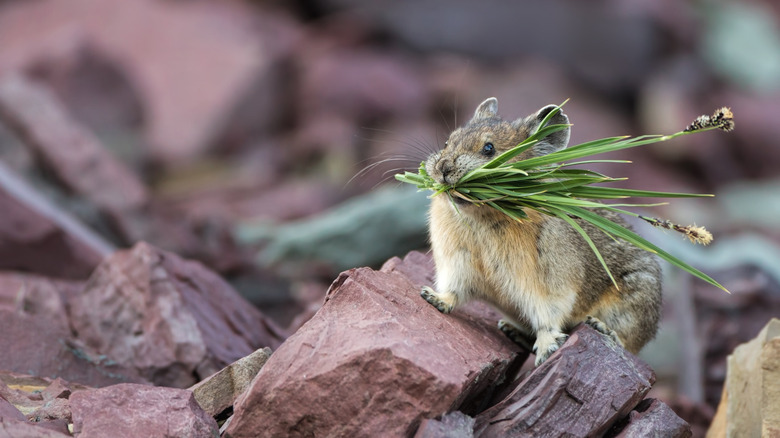
Although not named after Pikachu, the American pika charms visitors with its rotund body and busybody drive to collect "haystacks" of food. "Once haystacks have dried, pika carry their food back to their dens. Instead of hibernating, pika eat this food during the winter months," the NPS explains.
Featuring big, round ears and no tail, pikas are relatives of rabbits and hares. You might not spot them at first, but their high-pitched squeak of warning is one-of-a-kind and hard to miss. The NPS recommends looking for pikas along alpine trails, while visitors particularly highlight the Tokopah Falls Trail for pika- and marmot-spotting.
Sierra Nevada red fox
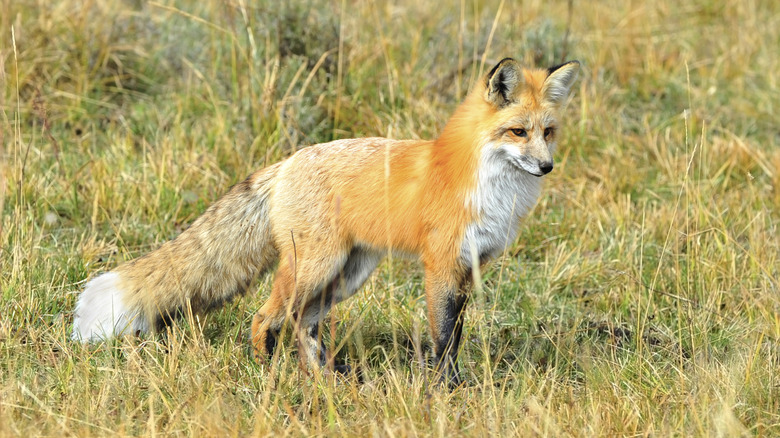
The Sierra Nevada red fox is one of the rarest mammals in the U.S. These endangered foxes live exclusively above 6,000 feet in the Cascade Mountains and the Sierra Nevada.
To give you an idea of this unique animal's elusiveness, in 2022, a trail camera spotted a Sierra Nevada red fox on the edge of Sequoia National Park, marking the first regional sighting since the 1930s. If you are lucky enough to spot a Sierra Nevada red fox in the park, the California Department of Fish and Wildlife asks you to report your observation on its website.
California condor
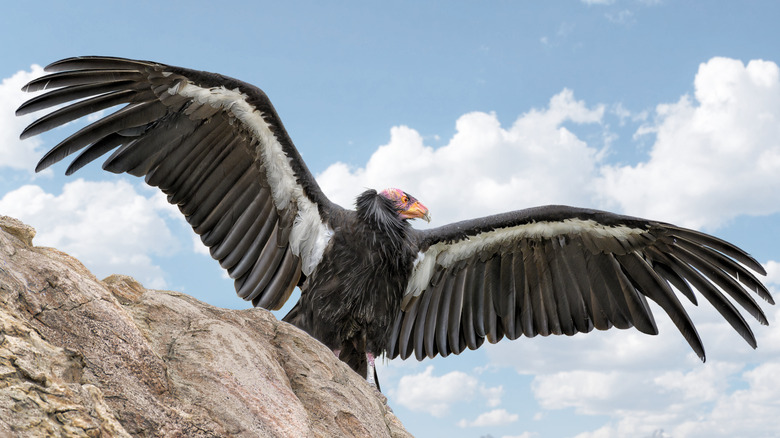
You're more likely to see a California condor along Pinnacles National Park's rare bird trails; however, these prehistoric-looking birds of prey occasionally glide through Sequoia National Park. Boasting wingspans up to 9.5 feet, they are hard to miss even from a distance.
In 2020, the U.S. Fish & Wildlife Service confirmed the first condor sighting at the park in over 50 years. Today, hikers heading to Moro Rock or the Giant Forest have a tiny hope of seeing one of the world's largest flying birds. However, there are only 392 wild California condors in the world, so it's best to temper your expectations.
Black bear
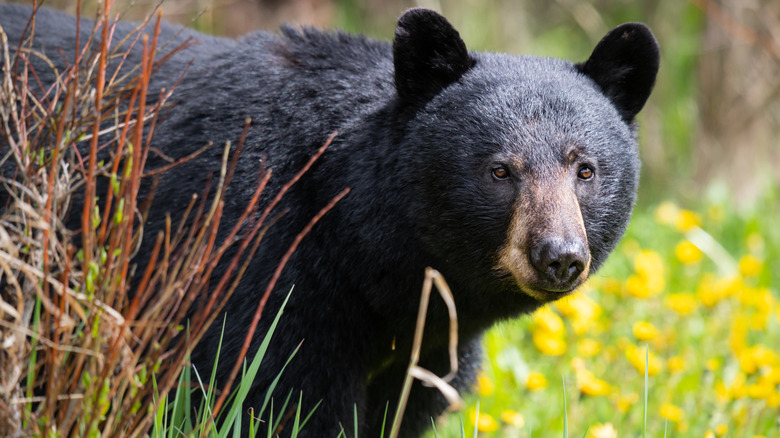
With a population of several hundred black bears, Sequoia is a national park where you're almost guaranteed to see a bear. Contrary to the name, black bears can be brown, blonde, or reddish-brown. They weigh up to 500 pounds and primarily eat insects, grasses, fruits, and berries.
The NPS suggests heading to a meadow for black bear sightings, while visitors on r/SEKI report spotting black bears at dawn and dusk. As always, stay at least 300 feet from a black bear and never offer food.
American dipper
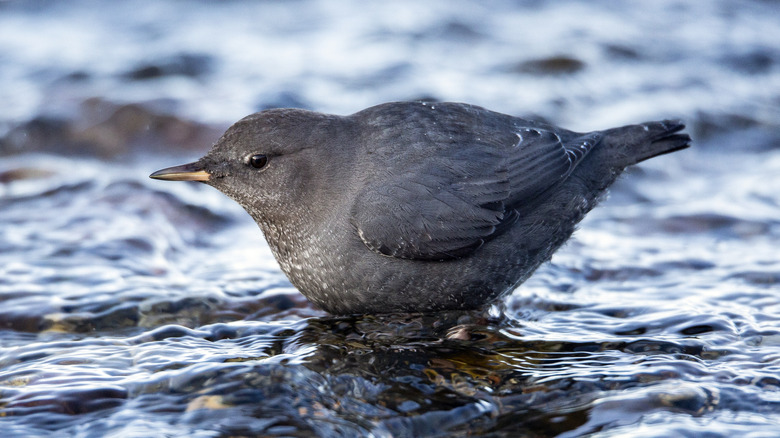
Featuring gray feathers and a small tail, the American dipper might look nondescript, but it's the only aquatic songbird in North America. "It stays underwater typically for 5–15 seconds, foraging for aquatic insects under pebbles and leafy or woody debris," shares the NPS, highlighting fish eggs, flying insects, and small fish as part of the bird's diet.
Lucky birders on eBird have spotted the American dipper between June and August near rushing water, including along the Big Trees Trail. Keep an eye out for the bird's signature bobbing movement when hiking near places they forage — streams less than 50 feet across.
Bobcat
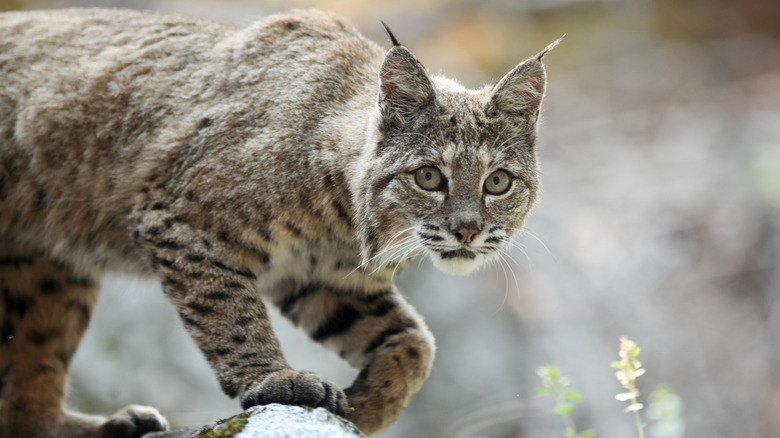
If you spot a little kitty with tufted ears and unusually strong legs, chances are it's a bobcat. Slightly bigger than your average domestic cat, bobcats hunt small deer, raccoons, and other critters in the park's foothills.
The park doesn't provide specific tips for spotting these elusive cats, but the California Department of Fish and Wildlife says, "Bobcats prefer areas with dense brush cover and will use cavities in rocks, snags, logs, and stumps for cover and denning." Places like this can be found along the Marble Falls Trail, a 3.1-mile (one-way) path through shrublands and rocky terrain.