
The Upsetting Reason Behind Disney's Big Wildlife Change That Travelers Are Sure To Notice
Disclaimer: The following article contains details regarding the death of a child.
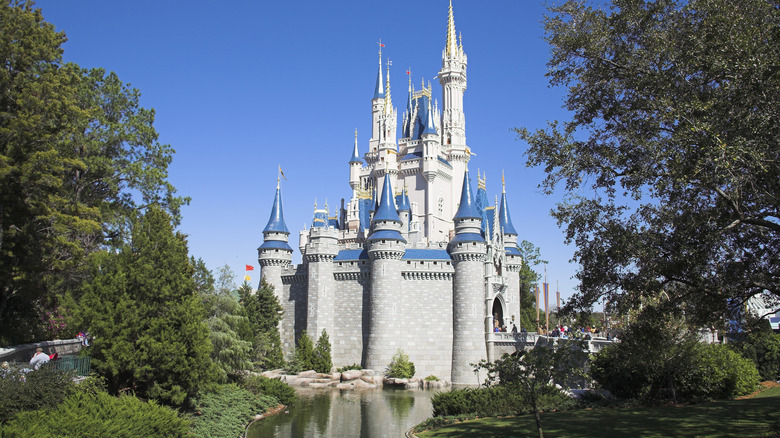
If you've ever traveled to Walt Disney World in Orlando, the family-friendly Florida city named the second-best summer destination in 2026, you're probably aware that alligators inhabit the area. Before the mega-resort launched in 1971, the landscape was mostly swampland, and guests still regularly share and report these reptile sightings online. However, frequent visitors have surely noticed that there have been fewer sightings in recent years. And the reason behind this big wildlife change is a little upsetting: It goes back to an incident 10 years ago, when a toddler died after a horrifying alligator attack.
The incident occurred on June 14, 2016, at Disney's Grand Floridian Resort and Spa. Two-year-old Nebraska-born Lane Graves was playing in shallow water at the Seven Seas Lagoon in front of the hotel when the gator pulled him under. His body was later recovered, and he is believed to have died from drowning. Since this tragedy unfolded, the park has taken steps to improve guest safety.
Over the last decade, Disney, in conjunction with the Florida Fish and Wildlife Conservation Commission (FWC), increased its already-in-place procedure of trapping and removing gators from its properties — 414 of them, as of this writing. "Nuisance alligators," which the FWC defines as individuals that are "at least 4 feet in length and believed to pose a threat to people, pets or property," are typically euthanized, as they'll disrupt the social structures of existing alligator habitats, or they will attempt to return to their original site, if released. Across Florida's 67 counties, wild alligators number around 1.3 million, which the FWC considers to be an already healthy-sized population, further explaining why some captured gators are euthanized.
Increased alligator-related safety measures at Disney World
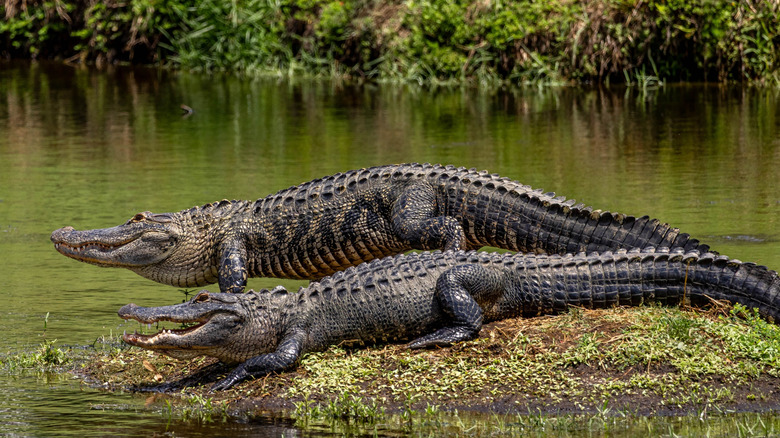
Beyond removing alligators, Disney has made other changes following the toddler's death. Signs warning guests of alligators and snakes previously existed at the resort's hotels, but they were also placed every 20 to 30 feet along the Rivers of America waterfront area. According to Inc., all employees currently receive more thorough animal-related training, and those working at rides where wildlife encounters are more likely have been trained to handle alligator-specific emergencies. Additionally, barriers including walls and fencing were put up around the park to deter the reptiles from entering.
It's important to note, though, that even before the upgraded safety measures, alligators never posed a significant threat. Dr. Joseph Forrester, who conducted a review of human fatalities caused by animals in 2012, claimed that the fear of alligator attacks is generally unwarranted. "The most common animal-related fatalities are from large mammals, like cattle or horses, but when you're looking at attacks from wild animals only, the most common cause of death are due to venomous animals, like wasps or bees. ... I think people have in their mind that the most dangerous animals are cougars, bears or alligators, but a bee is more dangerous," he shared (via CNN).
Yes, these aggressive reptiles do inhabit the Orlando area, but this theme park certainly isn't one of the most alligator-filled destinations in Florida. And the tragedy that unfolded in 2016 shouldn't discourage you from visiting. Take basic precautions, like staying within the designated park area, to keep safe and to ensure that the majority of your wildlife experiences remain within Animal Kingdom, Disney World's largest park. And as always, make sure that you read and follow all posted guidance, because ignoring safety rules is one of the things that could get you banned from Disney.