
8 Toxic Plants In Yosemite National Park Travelers Should Be Aware Of
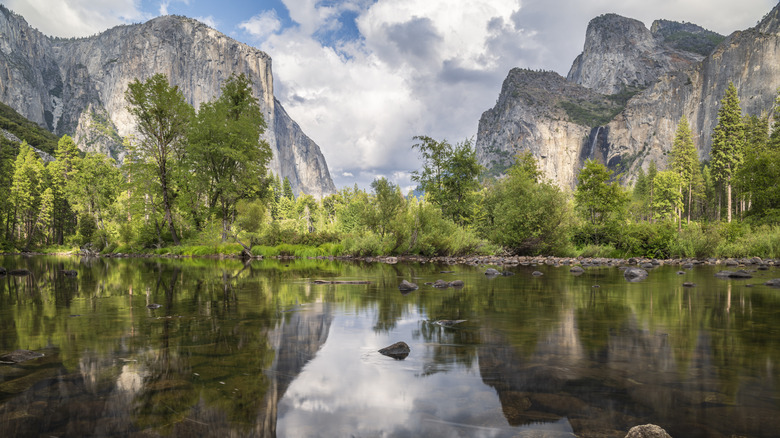
When you think of Yosemite National Park, visions of thousand-foot-high waterfalls and towering granite rock formations likely spring to mind. But the park also cradles a mind-boggling array of plants, including trees, shrubs, grasses, wildflowers, broad-leafed herbs, and vines. In fact, the park is home to more than 1,450 native and 275 non-native plant species. Many of these species play important roles in the park's diverse ecosystems and are beautiful to behold, like the majestic sequoias and the bright wildflowers dotting the woodlands and meadows in summertime. Unfortunately, though, not all these plants are friendly to humans.
Some of the most poisonous plants in the park can seduce you with their bewitching flowers. But gathering them into a bouquet to present to your sweetheart could have unintended consequences. Upon contact with the skin, some of the park's flora can cause irritation, burning, and long-lasting rashes and may be harmful or even fatal if ingested.
If you plan to experience the park on foot rather than in your vehicle, you should be familiar with the most common culprits to avoid touching them — or confusing them with an edible plant and ingesting them by mistake! Sadly, this happens. To this end, we've created a list of eight toxic plants to steer clear of while exploring Yosemite National Park, with the most dangerous ones listed first.
Western water hemlock
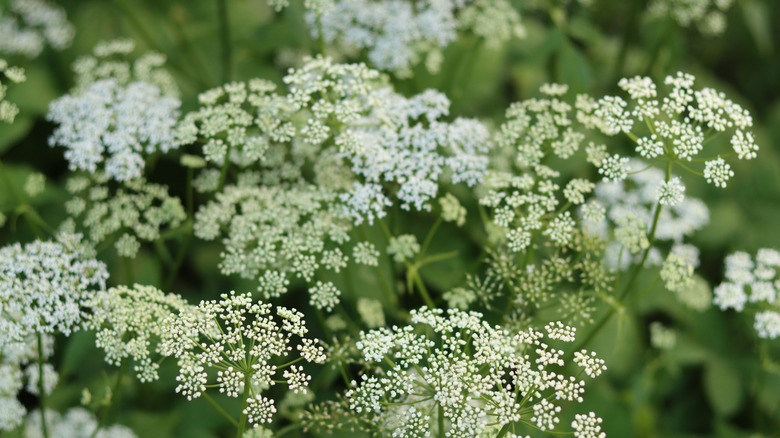
Western water hemlock is considered the deadliest plant in North America, found in Yosemite's damp meadows and stream banks. It can reach heights of 2 to 8 feet and resembles Queen Anne's lace, an edible plant with medicinal properties. A key difference is that water hemlock stems are smooth, while those of Queen Anne's lace are hairy. Water hemlock's leaves, stems, tubers, and roots contain cicutoxin, which can lead to convulsions, delirium, seizures, and death if ingested. Cicutoxin is so lethal that even a cow can die after eating a walnut-sized chunk of root.
Deathcamas
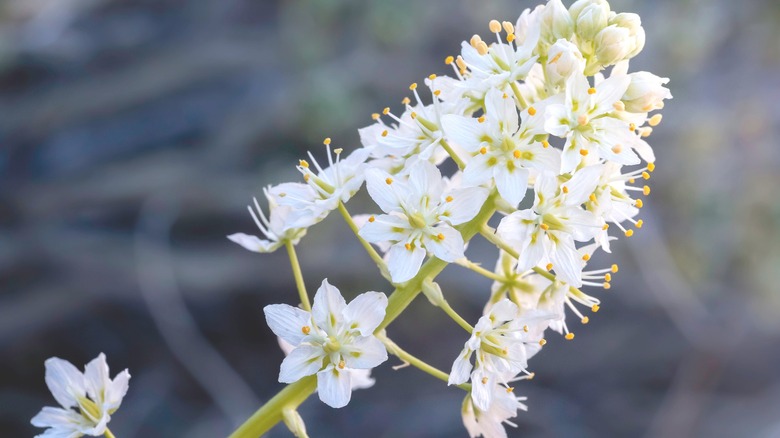
An extremely poisonous plant with a spooky name, deathcamas plants are around 2 feet tall with a long, single stem and bunches of small white flowers that bloom from May to August. Deathcamas has been observed growing in Yosemite Valley, around Wapama Falls and on hiking trails near Wawona, Yosemite's secret getaway town. Foragers sometimes mistake this plant for wild onion, with dire effects, as all parts of the plant contain zygacine and other poisonous alkaloids. Ingestion of small amounts can result in nausea, vomiting, abdominal pain, slowed heartbeat, decreased blood pressure, and death.
Columbian monkshood
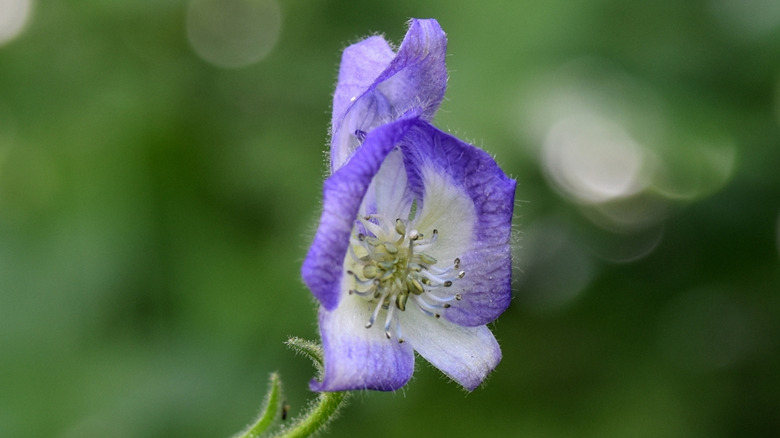
Columbian monkshood is a long-stemmed plant that can grow as tall as 5 feet. Its widely spaced purple flowers bloom from June to August and really do resemble tiny monks' hoods — thus the name. The plant prefers mid-elevation meadows and stream banks, and in Yosemite, it's been spotted along the Westfall Meadow Trail. All the plant's parts are poisonous, containing aconitine and other toxic compounds. If these compounds are ingested or even just absorbed through the skin, they can cause severe illness with nausea and vomiting. Death can result from heart arrhythmia and breathing difficulties.
Sacred datura
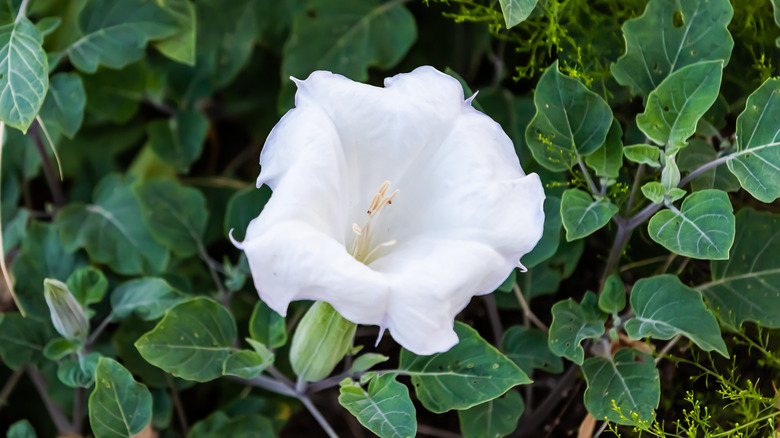
A member of the nightshade family, the sacred datura has white, trumpet-like flowers that emit a strong fragrance, blooming mainly at night from April to October. The plant grows along roadsides and in sandy washes at elevations from 1,000 to 6,000 feet. In Yosemite, it's been observed along Highway 140 and other roads in Merced Gorge. Many Native American tribes use the plant in religious ceremonies, as its tropane alkaloids are known to induce powerful hallucinations. However, ingesting too much can be toxic to the nervous system and lead to potentially fatal cardiac and breathing disturbances.
Purple foxglove
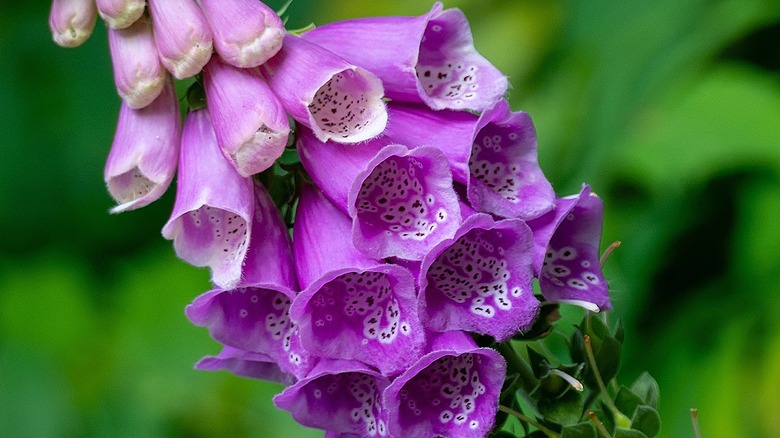
The only non-native species on our list, purple foxglove originated in Europe and Africa and was introduced in North America as a decorative and medicinal plant. These plants grow 2 to 6 feet and are recognizable by their columns of pinkish-purple, bell-shaped flowers that bloom from June to September. Foxglove prefers damp meadows and roadsides in lower-elevation areas of Yosemite National Park. Notably, it's the source of digoxin, a powerful heart medication that can quickly become toxic when taken in the wrong dose. Ingesting too much of any part of this plant can cause potentially lethal heart arrhythmias.
California false hellebore
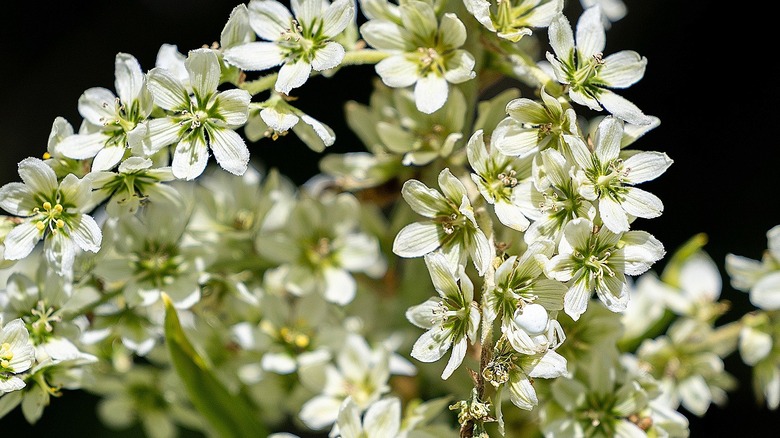
California false hellebore is sometimes called corn lily, wild corn, or cow cabbage. This plant can attain heights of 5 to 7 feet and has noticeably large, pleated leaves. Its white flowers bloom from July through August. In Yosemite, the plant thrives in higher-elevation, damp meadows along Glacier Point Road and Tioga Road (which happens to be an underrated route with incredibly scenic views). The hellebore's leaves, stems, and roots contain highly toxic steroidal alkaloids, which can cause nausea, vomiting, abdominal pain, headache, and cardiac disturbances if ingested.
Pacific poison oak
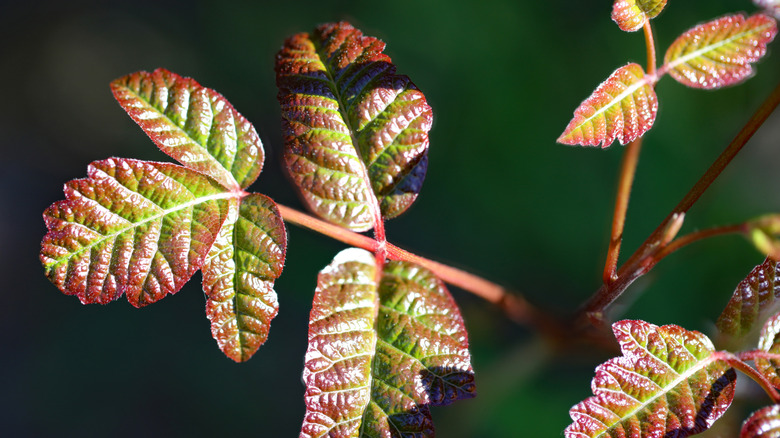
Pacific poison oak is a shrub with 1-to-6-inch-long lobed leaves arranged in threes on the stem — a key identifier. As the National Park Service warns, "leaves of three — let it be." It thrives in lower-elevation areas in Yosemite, along El Portal Road and the Merced River, and around Hetch Hetchy Reservoir, which is located in a Yosemite valley known for its granite domes, waterfalls, and scenic vistas. The leaves, roots, and stems of poison oak contain the oily chemical urushiol, which causes red, itchy bumps in those who are allergic to it — about 75% of people.
Cow parsnip
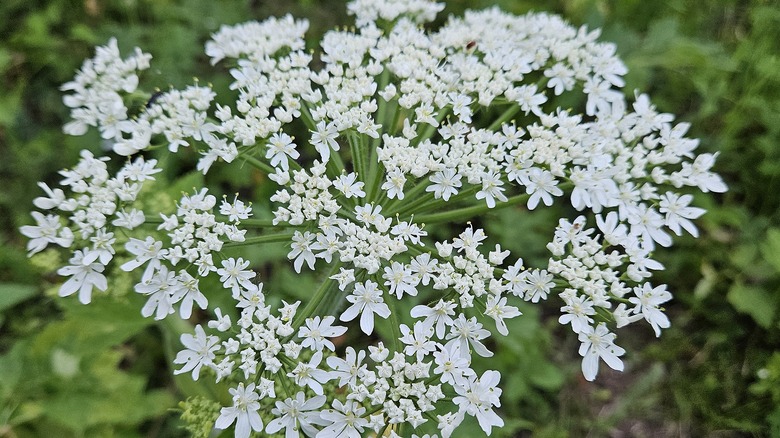
With its flat-topped heads of small white flowers, cow parsnip resembles many other plants on this list. But the distinguishing feature of this species is its height of up to 10 feet. It flourishes near streams and in meadows – for example, along Cook's Meadow Loop, an easy hiking trail in Yosemite with stunning waterfall views. Avoid touching cow parsnip at all costs, as its juices contain furanocoumarins, which can painfully burn the skin upon exposure to sunlight and cause rashes and blisters.