
Between Green Bay And Rochester Is Wisconsin's Wildlife Area With Roaming Bison, Birdwatching, And Scenic Trails
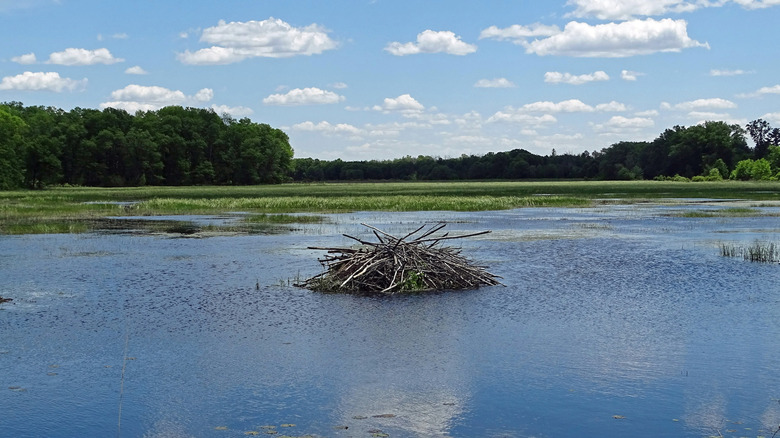
Wisconsin is best known for cheese and Packers football, but there's much more to the Badger State. Visitors familiar with the Midwest will already be aware of Wisconsin's impressive collection of freshwater lakes, rivers, and forested parks, all rich in hiking trails and opportunities for outdoor activities. Still, Wisconsin has some other remarkable natural features that may be less well-known. One notable example is Wisconsin's Sandhill State Wildlife Area. While the name obviously conveys the presence of animals, you may be surprised to learn that this "wildlife" happens to include one mammal often thought to have disappeared from east of the Mississippi River — the iconic American bison.
This rich wildlife refuge and its surprise bison herd are located in central Wisconsin's Wood County, about two and a half hours west of Green Bay and two and a half hours east of Rochester, Minnesota. While the return of bison to part of their historic range in the Upper Midwest is reason enough to visit, Sandhill State Wildlife Area also protects an intriguing stretch of Wisconsin's geological and ecological history. The sandy hills that give the park its name tell tales of prehistoric glaciers and complex geological processes that seem worlds away from contemporary Wisconsin's quiet Midwestern charm. And while its bison may be the biggest attraction, Sandhill State Wildlife Area is also a haven for plenty of other native animal species, including a diverse population of birds. Visitors can enjoy some of the Midwest's best birdwatching from one of the park's top trails, or even a scenic driving route that protects this vital habitat while keeping its views open to visitors.
Wisconsin's secret haven for wildlife watching
Sandhill Wildlife Area's more than 9,000 acres stretch across the former bed of an ancient glacial lake and a series of lovely sandy ridges from which the park gets its name. The park's natural topography, combined with reliable Upper Midwest rainfall, has created a network of fertile marshes and wetlands that act as a "living laboratory" for native flora and fauna (according to the Wisconsin Department of Natural Resources). Even without the option for wildlife watching, Sandhill Wildlife Area is a hidden geological treasure trove, with 500-million-year-old sandstone mounds and even older quartzite formations exposed in the park's natural ridges.
Birdwatchers know that wetlands tend to attract plenty of birds, and Sandhill Wildlife Area is no exception. Sandhill Wildlife Area parallels Nebraska's Platte River valley as a top sandhill crane birdwatching destination in the Midwest, with large numbers flocking to the park each October. Sandhill Wildlife Area also has viewable populations of bald eagles, grouse, woodpeckers, northern harriers, owls, terns, hawks, and trumpeter swans. The park's location along two major migratory bird "flyways" — the Mississippi and the Central flyways — brings even more opportunities for superb birdwatching, particularly during the spring and fall migration periods.
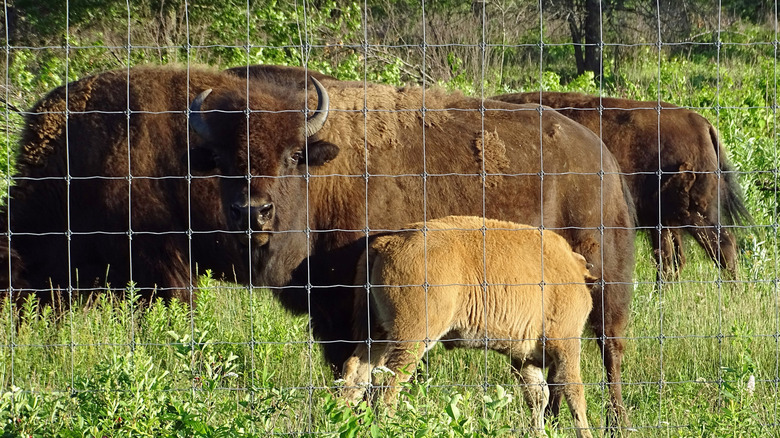
Yet the park's biggest wildlife attraction is undoubtedly its notable American bison herd. Though it's not (yet) quite as large as the bison herd thriving in Indiana's Kankakee Sands Nature Preserve, the Sandhill Wildlife Area's herd is currently about 15 bison strong — a significant step in the restoration of this critical species. The Sandhill bison are protected behind an enclosed fence, but visitors can still view them (from a safe distance) as they roam and graze within the park's designated Bison Barrens area.
A top Wisconsin hidden gem for hikers and outdoor lovers
As an official "wildlife area," Sandhill's main purpose is to conserve and study the region's native ecosystems. However, visitors can still enjoy it via public entrances and a network of sightseeing amenities. Across the preserve, visitors will find several convenient observation towers that are ideal for birdwatching or just taking in panoramic views of Sandhill's distinctive landscape.
Hikers can set out on the designated Sandhill Trumpeter Trail for an excellent introduction to the preserve and its many bird-rich ecosystems. At 5.6 miles, the Trumpeter Trail is long enough to capture much of the preserve's forests, wetlands, and meadows (and, of course, the resident bison herd). At the same time, the trail is broad, flat, and well-maintained, creating a generally easy hike for most visitors. If you prefer a less strenuous option, Sandhill Wildlife Area also includes an even more convenient scenic driving route. Extending in a nearly 9-mile loop, and suitable for driving, biking, and walking, the Sandhill Wildlife Area Scenic Drive is one of the best ways to experience the preserve's many sights and sounds in a single day trip.
Exploring Sandhill State Wildlife Area on your own is certainly worth the trip, but the park administration also hosts regular events and activities to educate visitors on the area's natural features and environmental significance. Sandhill currently does not feature any overnight camping or lodging options. However, the preserve is located quite close to many of central Wisconsin's most charming small towns and communities. Located just 20 miles away is the vibrant riverside Cranberry Capital of Wisconsin Rapids, featuring additional prime birdwatching spots, a thriving cultural scene, and overnight accommodations.