
The 10 Most Scenic Wetland Parks On The East Coast For Outdoor Fun
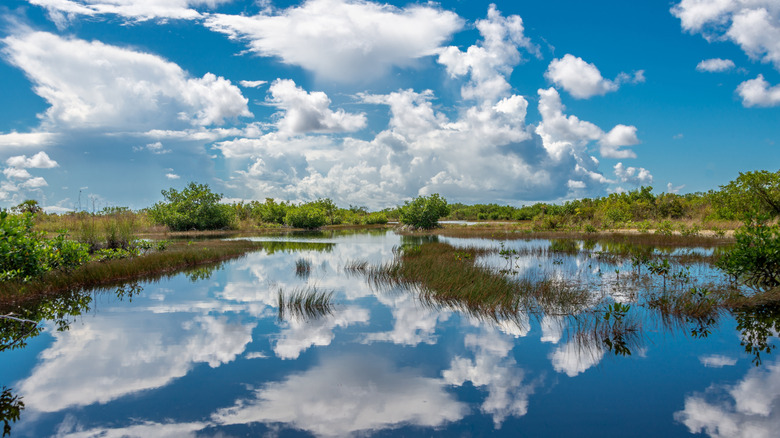
In the pantheon of America's natural wonders, wetlands tend to get less acclaim than the nation's majestic mountain ranges, otherworldly deserts, or extraordinary forests. And yet, America's wetlands are some of the most ecologically diverse areas of the country. Beyond their ecological significance, America's wetlands are often much more beautiful than given credit for. After all, towering canopies of deep green trees overlooking meandering waterways can be just as soothing a setting as a snow-capped mountain peak. And that's not even mentioning the ample wildlife watching you'll get with the sheer biodiversity found in wetland ecosystems.
America's protected wetlands provide many of the most underrated parks overseen by the National Park System, as well as other agencies like the U.S. Forest Service and the U.S. Fish & Wildlife Service. Beyond the federal level, many state and municipal park systems also protect amazing wetland parks for residents and visitors alike to enjoy. These wetland parks are primarily designated to preserve critical ecosystems, but many also offer visitors excellent opportunities for outdoor recreation on land and water. Across the East Coast, travelers who may feel like they're missing out on the magnificent mountains and deserts on the other side of the country can console themselves with some of America's most scenic and activity-rich wetland preserves. Using their combination of beautiful scenery and available activities as a guide, these East Coast national and state parks arguably have the country's most beautiful wetland habitats, and the best opportunities for visitors to explore them with fun outdoor activities.
Edwin B. Forsythe National Wildlife Refuge
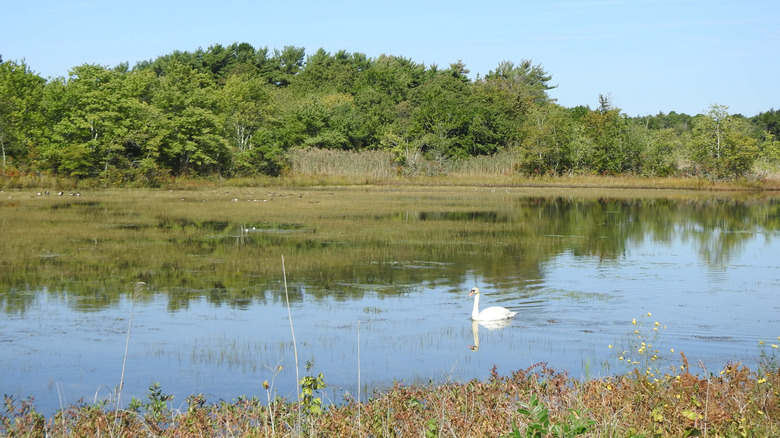
New Jersey's "Garden State" nickname is no lie. The Edwin B. Forsythe National Wildlife Refuge is an excellent example of New Jersey's underrated beauty, with 48,000 gorgeous acres of South Jersey's lush coastal wetlands.
The refuge preserves critical tidal salt marsh habitats used by migratory birds along the Atlantic Flyway. Birdwatchers can spot waterfowl, seabirds, raptors, and countless more, all framed against a rich green wetland backdrop. The refuge also has scenic trails (including accessible trails), motorized and non-motorized boating, and other fun activities.
Trap Pond State Park
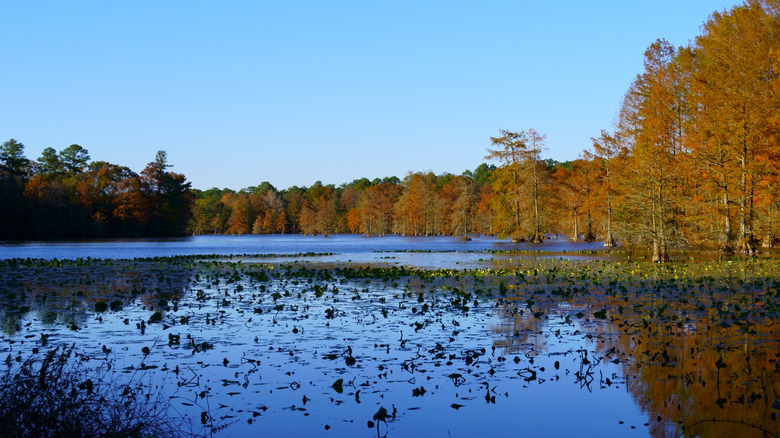
Delaware, like New Jersey, gets little love among outdoor enthusiasts. However, Delaware's Trap Pond State Park is one of the Mid-Atlantic's best outdoor recreation spots. Trap Pond's wetlands feature one of America's northernmost examples of a rare baldcypress forest. Here, these beautiful trees appear to rise right out of the 90-acre pond, blurring the boundary between forest and lake.
Activities available at Trap Pond State Park include hiking, paddling, pontoon boat touring, and camping. The park's campground has nearly 150 reservable sites, including tent campsites, cabins, and yurts, all a short walk from the tree-lined pond.
Acadia National Park
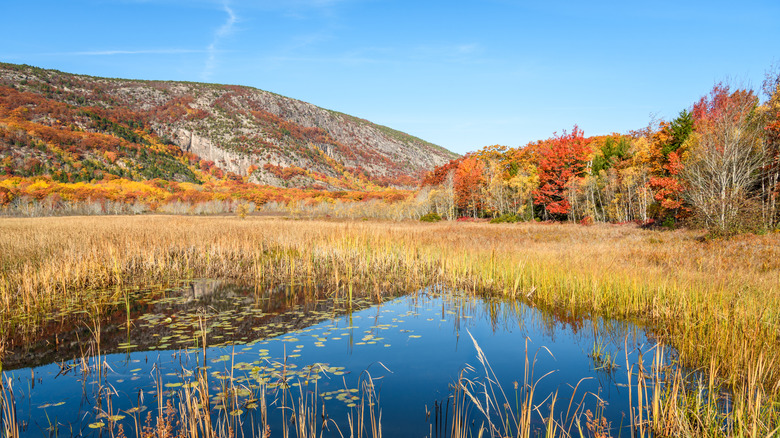
Maine's Acadia National Park is best-known for its stunning Atlantic coastline, but wetlands comprise more than 20% of the park. Acadia's wetlands, like Bass Harbor Marsh and the Great Meadow Wetland, are as beautiful as they are ecologically significant, with eye-pleasing scenes of dark blue waters reflecting forests and mountains.
These wetlands are terrific for Acadia sightseeing. The Great Meadow Wetland bisects the historic Sieur de Monts area and Acadia's Park Loop Road, one of the best scenic drives in New England. The Great Meadow Loop trail and the Jesup and Hemlock Paths provide lovely wetland views from visitor-friendly boardwalks.
Merritt Island National Wildlife Refuge
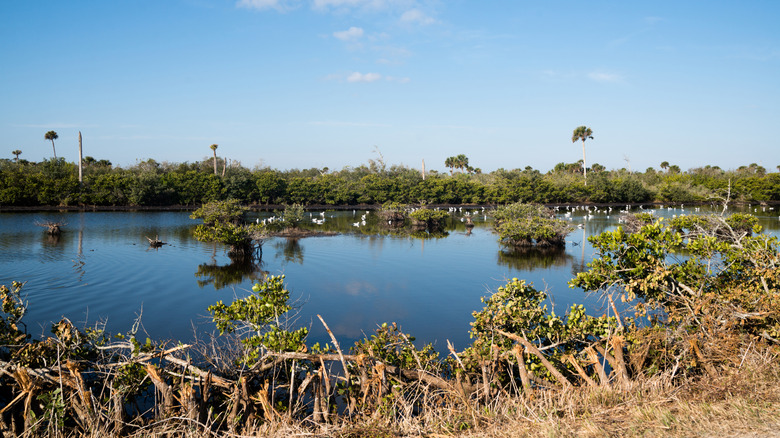
The Merritt Island National Wildlife Refuge may be swamp-heavy Florida's most under-the-radar wetland destination. Protecting around 140,000 acres between the Atlantic Ocean and the Indian River Lagoon, Merritt Island offers several miles of scenic trails and boardwalks that wind through a fertile wetland environment.
As one of Florida's best birdwatching spots, Merritt Island is home to more than 330 bird species. Merritt Island's lagoons are perfect for paddling excursions or fishing. And, the refuge's location next to the famed Cape Canaveral lets visitors explore Florida's role in the Space Age as they explore the Earth.
Cumberland Island National Seashore
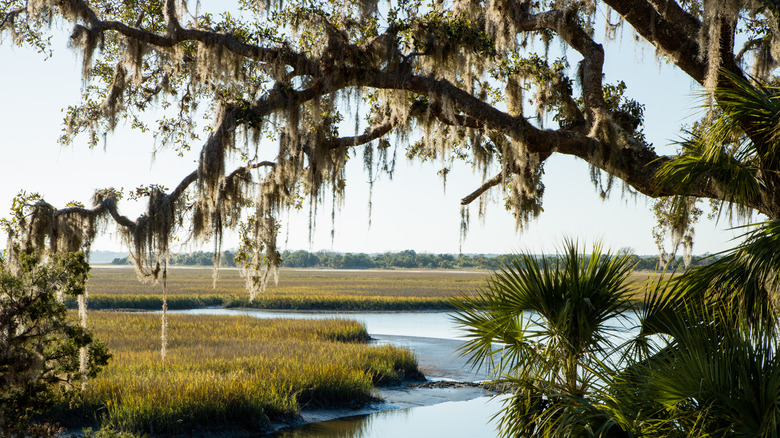
Located south of historic Savannah, Cumberland Island is Georgia's largest barrier island and a haven for wild horses and beach campgrounds. Beyond its beaches, the island also protects Georgia's alluring maritime forests, extensive wetlands, and complex coastal ecosystems.
Cumberland Island National Seashore protects an intricate network of different ecosystems intertwined along the Atlantic, including exquisite salt marshes that are critical for coastal Georgia's extensive plant and animal residents. Visitors can enjoy hiking, boating, and camping among the most diverse (and beautiful) environments in Georgia, with a few historic sites available to visit as well.
Okefenokee National Wildlife Refuge
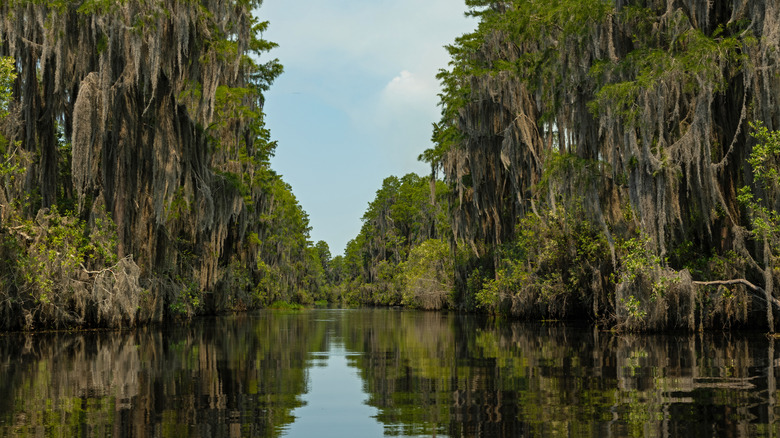
The Okefenokee National Wildlife Refuge is a serene swampland complex along the Georgia-Florida border, where the St. Marys and Suwannee rivers originate in a rich environment. The 700-square-mile Okefenokee Swamp is one of North America's largest such swamps, with a vibrant diversity of plants and wildlife to match.
Visitors can enjoy Okefenokee's rich tapestry of life on sightseeing boardwalks and observation towers, the refuge's several excellent trails, and cozy overnight camping areas. On the water, Okefenokee is excellent for non-motorized boating and fishing. The nearby Okefenokee Swamp Park even offers guided tours through the refuge.
Congaree National Park
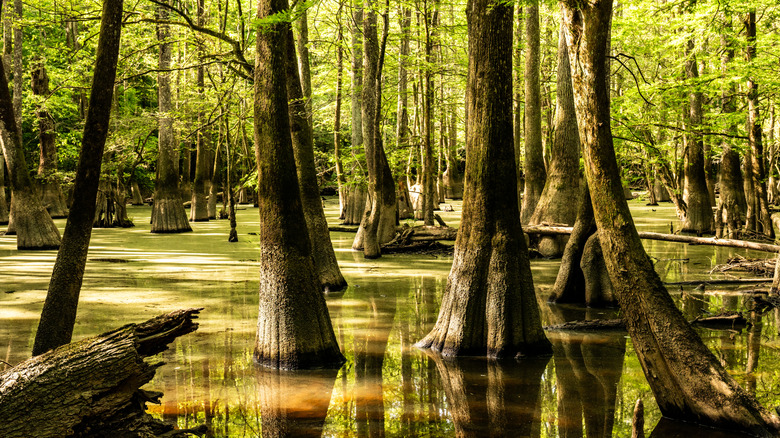
South Carolina's Congaree National Park is a low-key ecological wonder, with the Southeast's largest old-growth bottomland hardwood forest hiding just outside Columbia. Thanks to regular flooding by the Congaree River and its tributaries, the trees here reach record-breaking heights for the East Coast, with many of the park's "champion trees" holding record heights for their species.
Congaree's trails and elevated boardwalks offer picture-perfect tours of these impressive "skyscraper" trees, plus a multitude of other plant specimens (including wildflowers). Congaree's wetlands make it ideal for scenic canoeing tours, while the park's two campgrounds offer both developed and backcountry stays.
Great Dismal Swamp National Wildlife Refuge
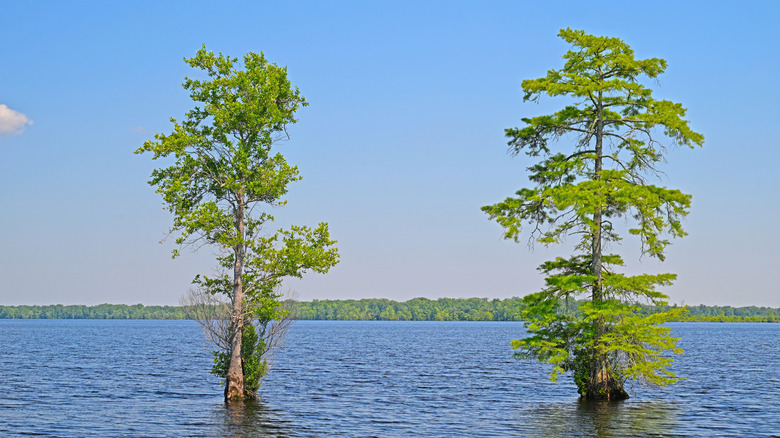
Southeastern Virginia's Great Dismal Swamp National Wildlife Refuge embodies the "great" in its name far more than the "dismal." The refuge protects approximately 113,000 acres of the larger Great Dismal Swamp along the Virginia-North Carolina border (an ecosystem that also contains North Carolina's gorgeous and adventure-filled Dismal Swamp State Park).
Great Dismal Swamp showcases the underrated beauty of Mid-Atlantic wetlands, with birds, mammals, reptiles, and rare trees decorating expansive waters. Visitors can enjoy nature trails, paddling tours, and scenic drives in what may be the most extraordinary East Coast wetland outside of Florida.
Big Cypress National Preserve
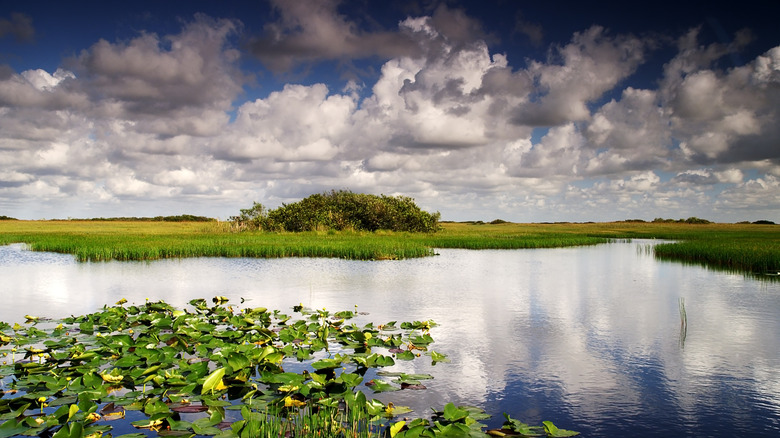
Big Cypress National Preserve is the lesser-known of South Florida's two major wetland parks, but it's every bit as worth a visit. The preserve's more than 700,000 acres span the biodiverse Big Cypress Swamp, a major wetland habitat nestled among the Greater Everglades ecosystem and Florida's coastal estuaries.
Big Cypress' complex natural ecosystem contains a diverse range of habitats, including verdant cypress swamps, pinelands, and tropical forest-like hardwood hammocks. These habitats make excellent grounds for birdwatching, hiking, canoeing, and camping, while Big Cypress' lack of light pollution creates rare opportunities for dark sky stargazing in South Florida.
Everglades National Park
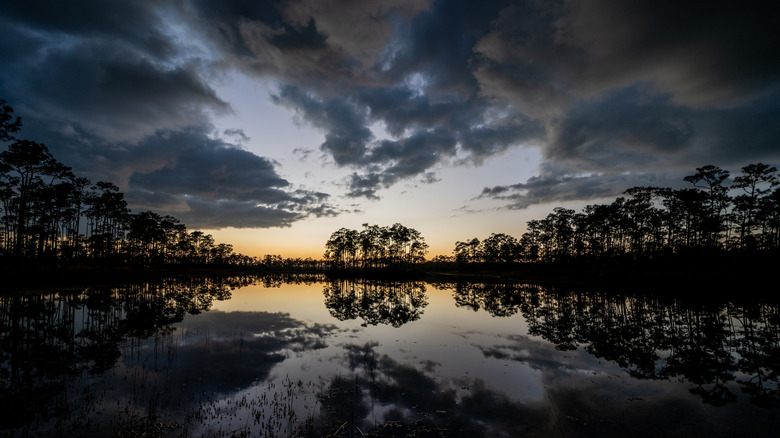
Everglades National Park is Florida's most famous national park and an official UNESCO World Heritage Site. As the crown jewel of Florida's many wetlands, the Everglades is the largest subtropical wilderness in the United States.
The park contains a brilliant tableau of extensive cypress swamps, mangrove forests, and marl prairie marshes, with plants from both the temperate North American and tropical Caribbean climates. The Everglades' wildlife includes the iconic American alligator. Visitors have an equally rich menu of outdoor activities like sightseeing hikes, canoeing and kayaking, guided tours, and both developed and wilderness camping.