
8 Once-Thriving Mining Towns That Are Now Abandoned Beauties
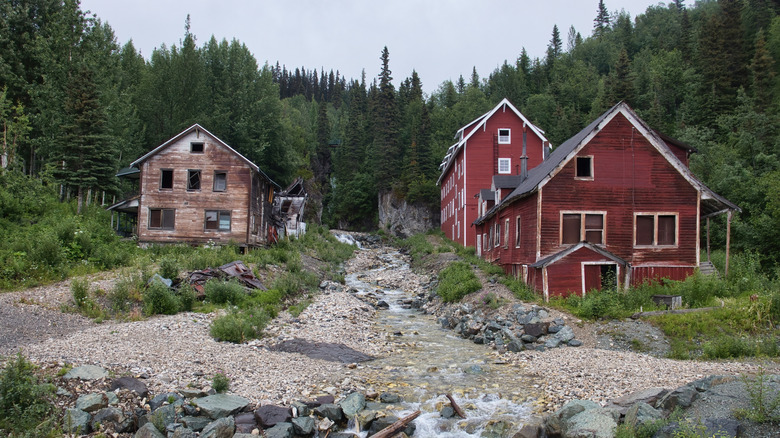
So, you want to see a bona fide mining ghost town, right? You're in luck, for this guide runs through a selection of the most atmospheric, enthralling abandoned beauties in the United States. There are quite a few to pick from in the stars and stripes; the website Geotab even compiled a list of nearly 4,000 examples of abandoned places across the country. Needless to say, there's plenty of choice.
Among them, alongside deserted Great Plains farmsteads and long-lost Texan ranches, are countless examples of boom-and-bust settlements in the old mining frontiers of the Rockies and the West. Some are truly soul-stirring locations, complete with weathered honky-tonk saloons where you can imagine the miners once danced, crooked cabins where the miners once lived, and even the eerie remains of the mines themselves.
To select this list, we picked a few favorite ghost towns from our travels, and then consulted a mix of leading travel and culture publications to identify a handful of other abandoned mining settlements that are worthy of your attention. The result? A hodgepodge of places where you can tread in the footsteps of prospectors from long ago, get a glimpse of life from yesteryear, and feel the pulse of America's rich mining past.
Bodie, California
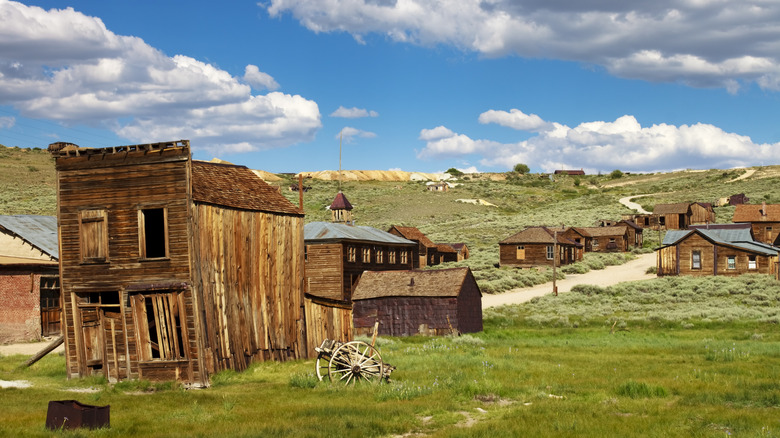
Weathered saloons, timber-built mills, and a brick-faced bank all rise on the dusty hills of the Eastern Sierra in California, heralding what the National Park Service has hailed as the finest example of a preserved Gold Rush town in the Golden State. If you came to Bodie in the late 1880s, you'd find a bustling town of 10,000 people. Today, the one-time gold and silver boomtown sits in "arrested decay" — it's maintained just the way it was when state authorities took ownership in 1962. Don't miss the Bodie Museum. It's in the town's old dance hall, but now houses a collection of artifacts left by departing residents.
Berlin, Nevada
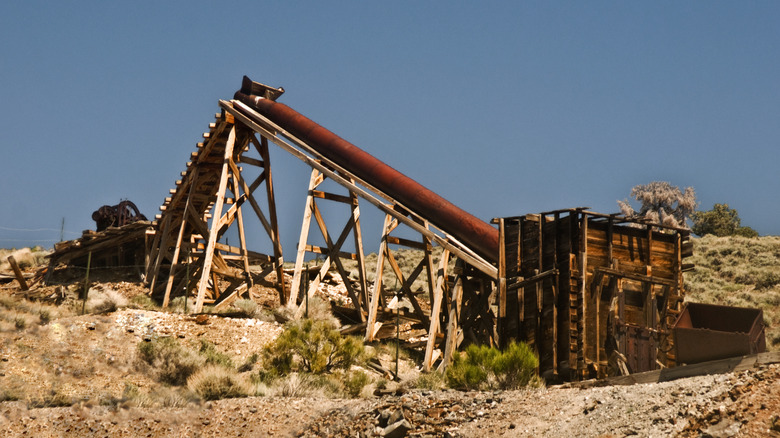
The Silver State serves up a slice of abandoned mining life at the unique and off-the-beaten-path Berlin-Ichthyosaur State Park, which encompasses two fascinating attractions: The dilapidated remains of a mining town founded over a century ago, and the bones of some of the largest marine reptiles ever uncovered in America. Assuming you're here for the town, prepare to find a series of aging wooden cabins linked together by walking paths. According to the Nevada Mining Association, Berlin was once home to over 300 people, and churned out just shy of $850,000 worth of gold in its time.
Garnet, Montana
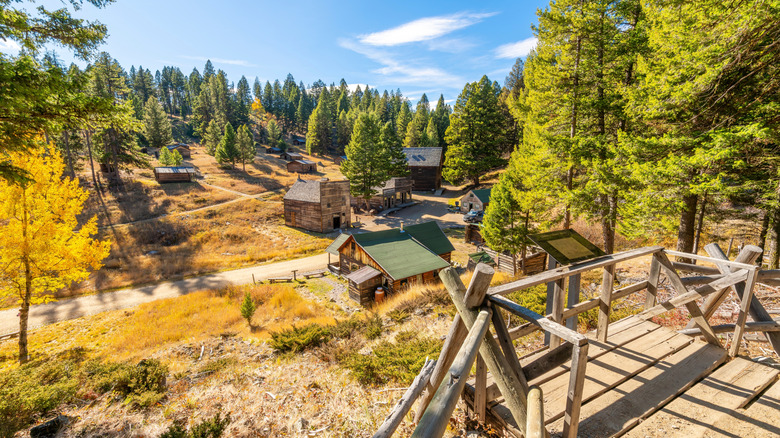
Garnet, Montana, is the place to go if you find yourself in Big Sky Country and pining for a glimpse of America's long-forgotten mining past. Over a century ago, you would have rocked up to find 1,000 people living and working in this settlement tucked into the mountains east of the cultural hub of Missoula. But history wasn't kind; Garnet was largely abandoned by the mid-20th century. It's a bit of a drive up a snaking mountain road, where you'll find a cluster of log cabins and an old saloon wedged between the pine forests and grassy meadows.
Castle Dome, Arizona
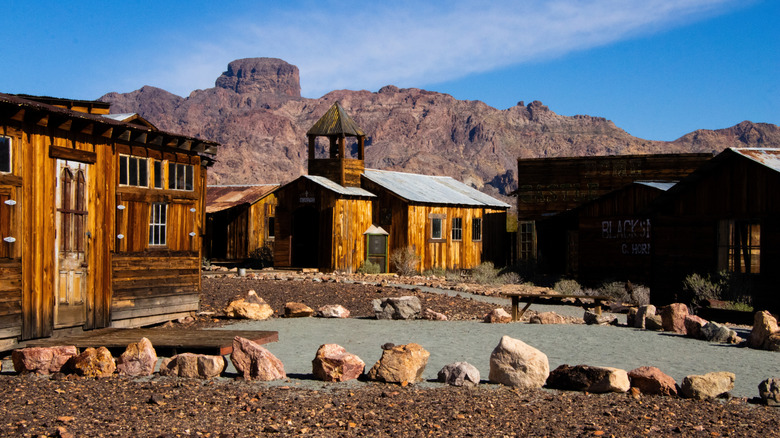
The once-bustling mining town of Castle Dome looks just what you might expect of an abandoned spot in the midst of the mountains of Arizona. Rickety, timber-clad buildings rise below rust-colored desert peaks about an hour's drive northeast of Yuma. There are over 60 structures to see in Castle Dome, including a sheriff's office, a schoolhouse, and a barbershop. They mark what was once one of the most prolific mining areas in the Grand Canyon State, which drew miners (and the occasional gunslinger) seeking the rich silver and lead deposits up until as late as the 1970s, despite the largely abandoned state of the town.
Nevadaville, Colorado
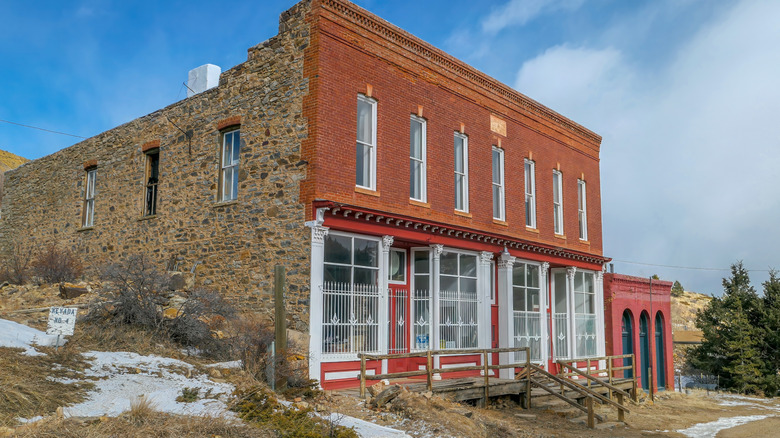
Lining a dusty road, a short detour off Interstate 70 as it cuts westwards through the Rockies from Denver, Nevadaville is a relic of the bygone boom era of the Centennial State. Despite sitting nearly 10,000 feet above sea level, the town once hosted a population of 4,000, many of them miners in search of precious metals. Fires and economic woes later made their mark, but you can still see a few remaining structures, most notably the brick-fronted Masonic Lodge No. 4, which is still used for gatherings even today.
Kennicott, Alaska
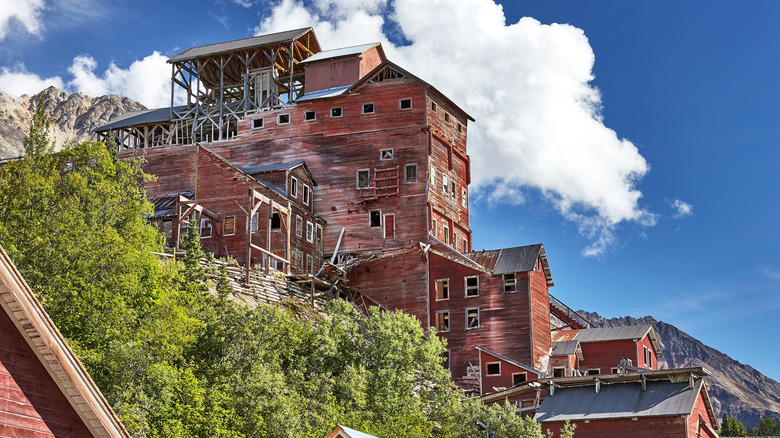
There's just something so striking about the way the redbrick industrial ruins of old Kennicott rise out of the forested, snow-mantled ridges of the Wrangell-St. Elias National Park and Preserve, the largest national park in America. Now managed by the National Park Service, the site includes rusting tramways, a post office, and more, all of which hearken back to a heyday when Kennicott boomed thanks to its location atop one of the richest copper veins ever found. Hundreds of miners and their families toiled here for nearly four decades before packing up and leaving in the wake of a 1930s copper crash.
Eckley Miners' Village, Pennsylvania
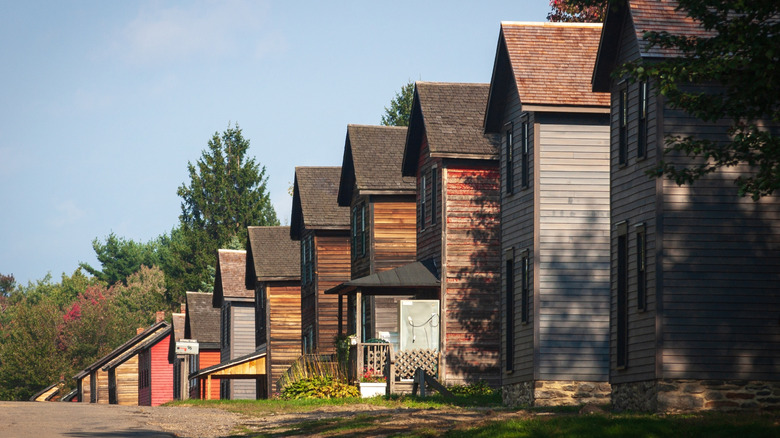
Eckley Miners' Village is different from the old ramshackle frontier outposts of the Wild American West. Notice its ordered streets and the cookie-cutter miner dwellings known as patch houses — they showcase a style of efficient but rarely comfortable architecture that allowed mining companies to put up lodgings quickly and without too much expense. This town also sports a red-painted company store and a handsome doctor's house to boot. The story? Eckley was one of a network of organized coal towns that sprang up in Pennsylvania throughout the 1800s, only to fall into obscurity decades later as the Keystone State's coal industry contracted.
Thurmond, West Virginia
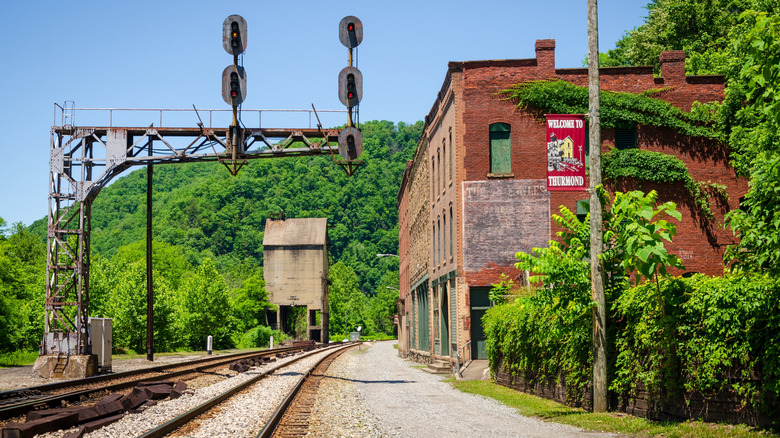
Dive into the sylvan hills of the New River Gorge National Park and Preserve in West Virginia to find the final ghost town on this list. Cue Thurmond, a place that buzzed with life for several decades following the turn of the century, when it was one of the hubs for the whole West Virginia coal mining belt. Today, its grand bank and former hotel sit eerily silent, though Thurmond has emerged as something of a stepping stone into the wilds of the New River Gorge, which include the nearby watersports and hiking trails of Hawks Nest State Park.