
The 'Everglades Of The North' Is Maryland's Wetland Nature Preserve On The Chesapeake Bay With Unique Wildlife
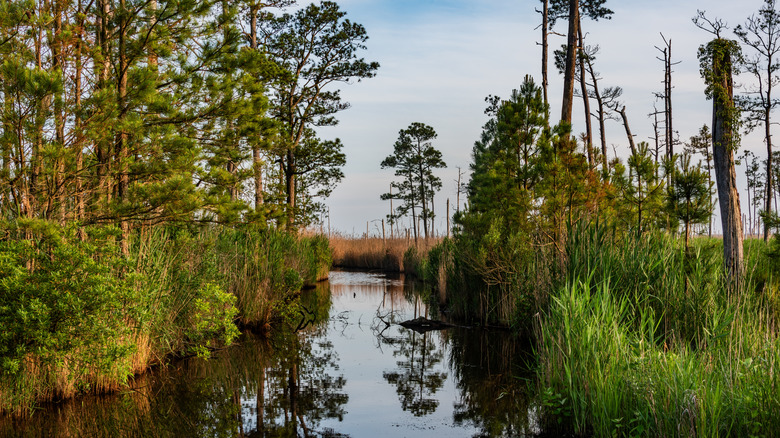
Other than the obviously popular beach destinations, the East Coast's most alluring water features may be its remarkable collection of wetland ecosystems and their rich biodiversity. Some wetland ecosystems, most notably the Florida Everglades, have achieved a level of fame often reserved for beaches, mountains, and other, more striking natural wonders. The Everglades, however, are far from the only amazing wetland worth visiting on the East Coast, and Florida is not the only state with exceptional wetland parks. Much further north, Mid-Atlantic states like Maryland often share Florida's propensity towards ecologically rich wetland habitats, even though they don't share the Sunshine State's year-round warm climate. Notably, Maryland's Blackwater National Wildlife Refuge has a strong claim to being the "Everglades of the North," thanks to its significant biodiversity, picturesque views, and wildlife watching opportunities.
Blackwater National Wildlife Refuge sits along the shores of the Chesapeake Bay on Maryland's section of the Delmarva Peninsula. Being about two hours south of Baltimore, Blackwater National Wildlife Refuge is largely removed from the commercial and industrial activities that often affect the bay further north. Instead, the refuge contains fertile tidal marshes, hardwood forests, and soaring canopies of loblolly pine trees. Consequently, Blackwater National Wildlife Refuge is a premier destination for wildlife watching, including some of the best opportunities for birdwatchers anywhere in the Mid-Atlantic. All in all, Blackwater National Wildlife Refuge offers visitors the chance to see unique wildlife rarely seen elsewhere in Maryland and explore a corner of the state often passed over in the Chesapeake Bay region.
Discover Maryland's ecological treasures
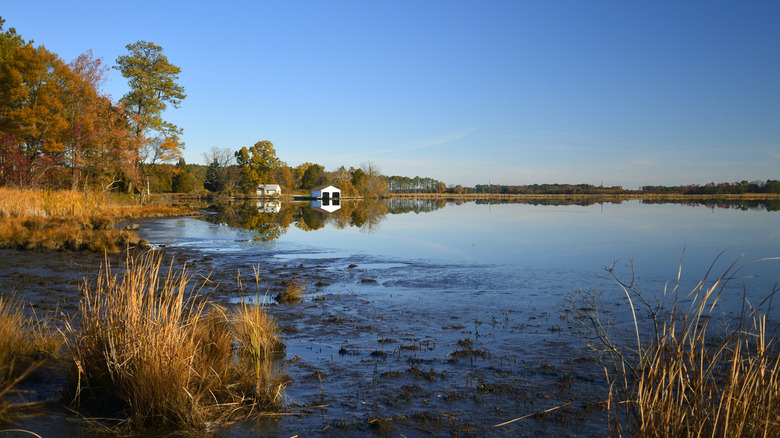
Everglades National Park may be among the country's most well-known wetlands, but its famous blend of water and forest is not unique to South Florida. Blackwater National Wildlife Refuge maintains more than 30,000 acres of similarly biodiverse wetlands, tidal marshes, and woodlands in the more northerly Chesapeake Bay region. Its shallow water zones, marshes, and coastal forests represent three distinct ecological habitats that are critical to the survival of countless Chesapeake Bay species.
As an official wildlife refuge, Blackwater was established in 1933 to protect critical habitats for migrating birds passing over the Chesapeake Bay area. The refreshing waters of the Chesapeake Bay represent North America's largest estuary, but some parts are more critical for birds than others. The habitats in Blackwater National Wildlife Refuge draw from the waters of the Blackwater and Little Blackwater rivers, which feed both fertile marshes and dense forests that are perfect for migratory birds.
Below the air, the tapestry of wildlife and ecological biomes in Blackwater forms one of the richest wetland ecosystems you'll find that far north. Even beyond its ecological significance, Blackwater National Wildlife Refuge has some major ties to U.S. history as well. The thick forests and murky waters of this slice of Maryland's Chesapeake shore proved to be a critical thoroughfare for those escaping slavery on the Underground Railroad, particularly for famed "conductor" Harriet Tubman. Today, Blackwater includes the Harriet Tubman Underground Railroad National Monument, where visitors can learn more about Tubman and the refuge's key role in her story. For another historic destination, consider visiting Indiana's Levi and Catharine Coffin State Historic Site, called the "Grand Central Station of the Underground Railroad."
A premier wildlife watching spot on the Chesapeake Bay
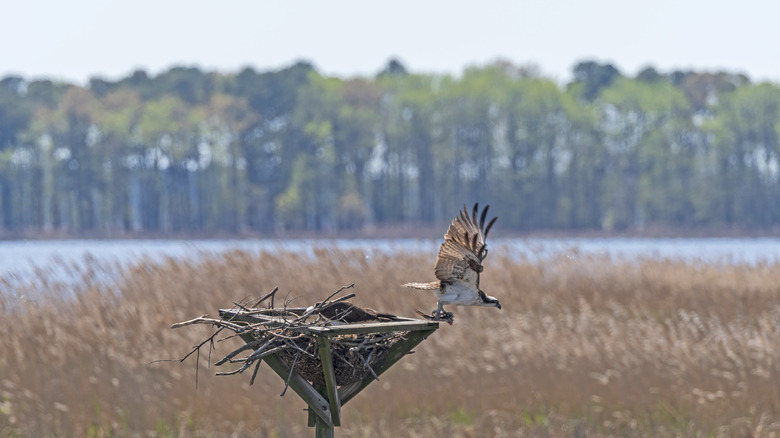
Ecological conservation and habitat protection are central to Blackwater National Wildlife Refuge's purpose, but the refuge is open to the public for immersive tours, wildlife watching, and fun excursions on both land and water. Considering the refuge's role as a critical migratory bird sanctuary, birdwatching is a popular outdoor activity here. The refuge is right in the center of the Atlantic Flyway, a long migration route stretching across much of the East Coast. Birdwatchers in Blackwater National Wildlife Refuge can likely find more bird species here than anywhere else in Maryland.
The refuge's extensive waterways bring plenty of observable waterfowl, not only common species like mallard ducks and Canada geese, but also rarer ones like tundra swans, snow geese, and pintails. Out of the water, birdwatchers may also spot more than 300 other species, including bald eagles, osprey, herons, songbirds, and even recently recovered species like peregrine falcons. On the ground, visitors might see everything from beavers to deer to water snakes and more unique species like the endangered Delmarva fox squirrel.
Blackwater strikes a terrific balance between its conservation role and public access for visitors. Guests can explore the refuge's best animal-watching areas without leaving their vehicles, thanks to the park's 4-mile Wildlife Drive. Alternatively, visitors can explore the park on foot via one of four trails or on a kayak via three immersive water trails, all of which offer plenty of scenery and wildlife-watching opportunities. Blackwater is also an excellent gateway to some of Maryland's loveliest Chesapeake communities. Just 10 miles away, for instance, is Maryland's historic city of Cambridge, with nature preserves and a vibrant downtown. Together, Blackwater National Wildlife Refuge and its surrounding communities make this corner of Maryland well worth exploring.